Category: Business

  • Kenyan Government reduces diesel price, suspends transport strike amid fuel crisis talks

    Kenyan Government reduces diesel price, suspends transport strike amid fuel crisis talks

    NAIROBI, Kenya (NPA) — The Government of Kenya has announced a reduction in the price of diesel by KSh 10 per litre as part of measures to cushion citizens from the rising cost of fuel triggered by the ongoing Middle East crisis. The decision follows negotiations between the government and public transport sector stakeholders aimed at easing tensions over high fuel prices.

    In a statement issued on Tuesday, May 19, 2026, the Ministry of Interior and National Administration said the government remains committed to addressing the challenges faced by Kenyans due to global fuel price hikes. It noted that the administration had earlier reduced VAT on petroleum products by 8% and utilised the Petroleum Development Levy to stabilise prices. Despite these interventions, fuel costs remained high, prompting further action.

    The government also adjusted the price of kerosene to bridge the gap with diesel and deter adulteration by unscrupulous dealers. However, public transport stakeholders continued to demand deeper cuts. Following a meeting held on Tuesday morning, both sides agreed to suspend the ongoing strike for one week to allow room for further negotiations.

    The statement, signed by Cabinet Secretary Hon. Kipchumba Murkomen, confirmed that the transport representatives condemned the violence and destruction witnessed during Monday’s protests, distancing themselves from the unrest. The government reiterated its commitment to peaceful dialogue and urged Kenyans to use legal means to express grievances.

    “The Government remains fully committed to addressing concerns raised by Kenyans at all times and calls for peaceful and legal means of airing grievances,” Murkomen said.

    The latest measures, according to the authorities, are part of broader efforts to stabilise fuel prices and maintain public order amid economic pressures.

  • Oil prices dip to $103.77 as Trump pauses Iran strike for talks

    Oil prices dip to $103.77 as Trump pauses Iran strike for talks

    INTERNATIONAL (NPA) — Crude benchmarks fell after U.S. President Donald Trump announced he had temporarily halted a planned military strike on Iran to allow negotiations aimed at ending the Middle East war.

    Trump, in a social media post late Monday, said the United States was “ready to resume attacks if a deal is not reached,” but emphasised that diplomacy was being given a chance.

    By midday trading, Brent futures for July delivery slipped $1.13 (1%) to $110.97 per barrel, while U.S. West Texas Intermediate (WTI) June contracts edged down 28 cents (0.3%) to $108.38.

    The more active July WTI contract dropped 61 cents (0.6%) to $103.77. Analysts noted that prices had touched their highest levels in weeks during the previous session before Trump’s comments triggered a reversal.

    “Markets are swinging from one headline to the next, but without any real breakthrough toward ending the conflict,” said Ole Hansen of Saxo Bank, adding that Trump’s remarks were the immediate catalyst for Tuesday’s decline.

    The ongoing war has effectively shut down the Strait of Hormuz, a vital corridor that normally carries about 20% of global oil and liquefied natural gas shipments. The International Energy Agency (IEA) described the closure as the largest single disruption to world energy supplies in decades.

    Iranian state media reported that Tehran’s latest peace proposal to Washington includes a halt to hostilities across all fronts, U.S. troop withdrawals from areas near Iran, and reparations for war damage.

    Domestically, the U.S. Energy Department disclosed that a record 9.9 million barrels were drawn from the Strategic Petroleum Reserve last week, reducing stockpiles to 374 million barrels, the lowest since July 2024. Industry forecasts suggest U.S. crude inventories fell by another 3.4 million barrels in the week ending May 15, with official data from the Energy Information Administration expected Wednesday.

  • Dr Oduwole calls for trade barriers dismantling as #BiasharaAfrika2026 opens with calls for decisive AfCFTA implementation

    Dr Oduwole calls for trade barriers dismantling as #BiasharaAfrika2026 opens with calls for decisive AfCFTA implementation

    LOMÉ, Togo (NPA) — The African Continental Free Trade Area (AfCFTA) Biashara Afrika 2026 Forum has officially kicked off in Lomé, Togo, bringing together policymakers, investors, entrepreneurs, and development partners to accelerate African trade integration. The three-day event, hosted at the Palais des Congrès from 18–20 May 2026, is jointly convened by the AfCFTA Secretariat and the Government of Togo under the theme “Powering Africa’s Economic Transformation through the AfCFTA.”

    Speaking at the opening, H.E. Wamkele Mene, Secretary-General of the AfCFTA, highlighted significant progress in advancing intra-African trade, noting that the growth already recorded is “clear evidence that the AfCFTA is working.” He reiterated the Secretariat’s continued support for SMEs and the private sector, stressing that “there can be no trade without businesses.” Mene pointed to ongoing efforts to digitalise trade through tools such as digital payment systems, non-tariff barrier reporting mechanisms, and the e-Certificate of Origin, which are helping accelerate Africa’s digital trade transformation.

    Also addressing the forum, Hon. Badanam Patoki, Togo’s Minister of Economy and Strategic Monitoring, and Hon. Dr Jumoke Oduwole, Nigeria’s Minister of Industry, Trade and Investment and Incoming Chair of the AfCFTA Council of Ministers, emphasised the importance of translating the AfCFTA’s promise into tangible opportunities. Dr Oduwole called for coordinated and practical action to dismantle barriers to trade, including restrictions on the movement of people, goods, and services across the continent.

    Over the next three days, Biashara Afrika 2026 will feature high-level plenaries, exhibitions, B2B meetings, and technical workshops covering trade facilitation, agribusiness, manufacturing, digital commerce, and innovative financing. Special emphasis is being placed on SMEs, women entrepreneurs, and youth-led businesses, to strengthen supply chains, promote value addition, and expand inclusive participation in Africa’s economic future.

    The forum, covering a market of 1.4 billion people with a combined GDP of over $3 trillion, is expected to serve as a flagship platform for consolidating AfCFTA gains and driving Africa’s long-term economic transformation.

  • Protests erupt nationwide as transport operators strike over fuel price hike

    Protests erupt nationwide as transport operators strike over fuel price hike

    NAIROBI, Kenya (NPA) — Sporadic protests have broken out across Kenya as transport operators launched a nationwide strike on Monday, 18 May 2026, over soaring fuel prices. The demonstrations left commuters stranded, schools closed, and businesses disrupted in major towns, including Nairobi and Mombasa, with police clashing with protesters in several regions.

    The strike, described as one of the largest coordinated industrial actions in Kenya’s history, was backed by the Matatu Owners Association, Truckers Association, and Digital Taxi Association. Matatu operators, boda boda riders, taxi drivers, and cargo transport companies halted operations, paralysing public movement and forcing schools to suspend classes due to safety concerns and lack of transport. The protests quickly escalated in Nakuru, Narok, and Machakos, where residents blocked highways and engaged in running battles with police. Teargas was fired in Nakuru and Narok to disperse crowds, while businesses in Nairobi’s central district shut down amid fears of violence.

    Protesters demanded the immediate reversal of the fuel price increase, reduction of petrol and diesel costs to about Sh152 per litre, accountability for the alleged importation of substandard fuel, and the dismissal of the Energy Cabinet Secretary.

    The fuel hike is linked to the standoff in the Strait of Hormuz between the United States and Iran, which has disrupted global oil supplies. Yesterday, U.S. President Donald Trump warned Iran in a Truth Social post that “time is running out,” raising fears of renewed military confrontation that could further destabilise energy markets.

    The ripple effect of this geopolitical standoff has been immediate and severe for Kenya. Transport operators, already struggling with high operating costs, have passed the burden onto commuters, sparking widespread anger.

    Kenya’s situation highlights the fragile link between international security and local stability. As tensions escalate in the Gulf, countries across Africa that rely heavily on imported fuel face mounting risks of inflation, social unrest, and political instability. The protests in Nairobi, Mombasa, and other towns are therefore not just about fuel—they are a stark reminder of how global confrontations can ignite local upheaval, forcing governments to balance diplomacy abroad with urgent economic relief at home.

  • Inflation rises to 15.69% in April as food, transport costs push prices higher — NBS

    Inflation rises to 15.69% in April as food, transport costs push prices higher — NBS

    ABUJA, Nigeria (NPA) — Nigeria’s headline inflation rate rose to 15.69 per cent in April 2026, according to the latest Consumer Price Index (CPI) and Inflation Report released by the National Bureau of Statistics.

    The report, released in Abuja on Friday, showed that the April inflation figure represented an increase of 0.31 percentage points compared to the 15.38 per cent recorded in March 2026.

    According to the NBS, the year-on-year headline inflation rate for April 2026 stood at 15.69 per cent compared to 26.82 per cent recorded in April 2025.

    On a month-on-month basis, the inflation rate stood at 2.13 per cent in April, representing a decline of 2.05 percentage points from the 4.18 per cent recorded in March.

    “This means that in April 2026, the rate of increase in the average price level was lower than the rate recorded in March 2026,” the report stated.

    The bureau identified food and non-alcoholic beverages as the highest contributors to headline inflation at 6.40 per cent, followed by restaurants and accommodation services at 3.56 per cent and transport at 1.70 per cent.

    The least contributors included recreation, sports and culture at 0.01 per cent, alcoholic beverages, tobacco and narcotics at 0.01 per cent, and insurance and financial services at 0.03 per cent.

    The report also revealed that the Consumer Price Index rose to 138.3 in April from 135.4 recorded in March.

    Food inflation stood at 16.06 per cent year-on-year in April 2026, compared to 24.68 per cent in April 2025.

    On a month-on-month basis, food inflation declined to 3.63 per cent from 4.17 per cent recorded in March.

    The NBS attributed the rise in food prices to increases in the cost of millet, yam flour, fresh ginger, beef, garri, yam tuber, fresh pepper, crayfish, cassava, beans, Irish potatoes, fresh tomatoes, wheat grain, soybeans, guinea corn, plantain and carrots, among other items.

    Core inflation, which excludes volatile agricultural produce and energy prices, stood at 15.86 per cent year-on-year in April, representing a decline from 26.05 per cent recorded in April 2025.

    On a month-on-month basis, core inflation dropped to 1.03 per cent in April from 4.03 per cent recorded in March.

    The report further showed that energy inflation stood at 8.0 per cent, farm produce at 6.0 per cent, services at 2.1 per cent, goods at 3.2 per cent and imported food at 4.4 per cent on a month-on-month basis.

    Urban inflation on a year-on-year basis stood at 15.40 per cent in April, while rural inflation was higher at 16.36 per cent.

    The bureau disclosed that Sokoto recorded the highest year-on-year all-items inflation rate at 25.74 per cent, followed by Bauchi at 22.52 per cent and Zamfara at 22.03 per cent.

    Edo recorded the slowest rise in headline inflation at 5.91 per cent, followed by Borno at 6.72 per cent and Jigawa at 7.04 per cent.

    On a month-on-month basis, Niger recorded the highest inflation rate at 15.66 per cent, followed by Kano at 4.50 per cent and Plateau at 4.39 per cent.

    Bayelsa, Enugu and Rivers recorded the slowest month-on-month inflation increases.

    The report also showed that food inflation on a year-on-year basis was highest in Enugu at 32.67 per cent, followed by Kwara at 30.77 per cent and Adamawa at 30.14 per cent.

    Borno, Jigawa and Taraba recorded the slowest rise in food inflation during the period under review.

    On a month-on-month basis, Niger recorded the highest food inflation rate at 8.53 per cent, followed by Bauchi at 6.78 per cent and Kogi at 6.72 per cent.

    Kebbi, Katsina and Bayelsa recorded the slowest increase in food inflation in April 2026.

  • Federal Government welcomes upgrade of Nigeria’s sovereign credit rating by S&P Global Ratings

    Federal Government welcomes upgrade of Nigeria’s sovereign credit rating by S&P Global Ratings

    ABUJA, Nigeria (NPA) — The Federal Government of Nigeria has welcomed the decision by S&P Global Ratings to upgrade the country’s sovereign credit rating from ‘B-’ to ‘B’ with a Stable Outlook.

    In a statement issued on Saturday, the Minister of Finance and Coordinating Minister of the Economy, Taiwo Oyedele, said the latest upgrade follows similar positive rating actions in 2025 by Fitch Ratings and Moody’s Ratings, reinforcing growing international confidence in Nigeria’s economic reform trajectory, policy consistency, and medium-term growth prospects.

    According to Oyedele, these independent assessments affirm that the difficult but necessary reforms undertaken under the leadership of President Bola Ahmed Tinubu, GCFR, are yielding measurable results and laying the foundation for a more stable, transparent, and resilient economy. S&P highlighted improvements in Nigeria’s external position, stronger balance of payments dynamics, increased oil production, expanding domestic refining and export capacity, and sustained implementation of key macroeconomic reforms, including foreign exchange market liberalisation.

    The agency also recognised ongoing fiscal reforms aimed at broadening the tax base, improving public revenue mobilisation, enhancing fiscal transparency, and strengthening debt sustainability. Nigeria’s debt-to-revenue ratio has improved significantly since 2023 and is projected to decline further as reforms continue to mature.

    Oyedele noted that the upgrades by Fitch, Moody’s, and now S&P send a strong signal to global investors, development partners, financial markets, and the international business community that Nigeria is regaining macroeconomic credibility and restoring confidence in the management of its economy.

    He reaffirmed the government’s commitment to prudent fiscal management, macroeconomic stability, and structural reforms that promote inclusive and sustainable growth. He stressed that Nigeria has maintained its position against the reintroduction of inefficient fuel subsidies, which historically created fiscal distortions, incentivised smuggling, weakened foreign exchange liquidity, and diverted scarce public resources away from critical national priorities.

    The Minister added that while these positive ratings developments are encouraging, the government remains focused on addressing inflationary pressures, improving food security, expanding decent job opportunities, and ensuring that economic growth translates into meaningful prosperity for all Nigerians.

    The Federal Government expressed appreciation for the resilience, patience, and support of Nigerians in the reform journey, noting that the improving outlook from leading global rating agencies will further position the country to attract investments and secure financing on more favourable terms. Oyedele concluded that Nigeria is strengthened in its resolve to build a stronger economy that is globally competitive, fiscally sustainable, and works for all citizens.

  • Kenya airport runways remain safe and operational, KCAA assures

    Kenya airport runways remain safe and operational, KCAA assures

    NAIROBI, Kenya (NPA) —The Kenya Civil Aviation Authority (KCAA) has reaffirmed that airport runways across the country remain safe and fully operational, even as the tendering process for the expansion of Jomo Kenyatta International Airport (JKIA) nears completion. JKIA, last rehabilitated in 2016, has faced congestion during peak hours, affecting its runway system and passenger terminals.

    Speaking at the 7th EAC Aviation Symposium in Mombasa, organised by the Civil Aviation Safety and Security Oversight Agency (CASSOA), KCAA Acting Director General Nicholas Bodo said the Ministry of Transport is intensifying efforts to strengthen aviation safety and security. He explained that the expansion project will include runway upgrades, a partial parallel taxiway, and rapid exit taxiways to reduce runway occupancy time and improve efficiency.

    Bodo stressed that infrastructure, especially runways, must be maintained to proper standards to ensure passenger safety. He noted that JKIA’s current terminal was designed for 7.5 million passengers annually but now handles 8.6 million, creating capacity constraints. Plans are underway to expand the existing terminal and build a new one capable of handling 10 million passengers annually.

    The Acting DG also highlighted the shortage of aviation professionals, calling for a regional training fund to support pilots and engineers. He backed harmonisation of aviation regulations across East Africa, saying it would allow operators to function more seamlessly within the region.

    CASSOA Acting Executive Director Francis Lichuma said the agency has made progress in harmonising aviation regulations among partner states, including unified safety standards and examination systems. He explained that pilots across the region now sit for the same exams, aligning with the wider EAC vision of integration.

    KCAA Chairman Brown Ondego emphasised the importance of regional collaboration, noting that air transport remains the safest mode of travel due to strict regulation. He said harmonised legislation and technical guidance would further strengthen safety across East Africa’s airspace.

  • Federal Government signs MoU on legacy road projects with Hitech and Infiouest under Tinubu’s infrastructure renewal agenda

    Federal Government signs MoU on legacy road projects with Hitech and Infiouest under Tinubu’s infrastructure renewal agenda

    ABUJA, Nigeria (NPA) — The Federal Government of Nigeria has signed Memoranda of Understanding (MoU) with two major construction firms — Hitech Africa Limited and Infiouest International Limited — to advance the implementation of legacy road projects across the country under President Bola Ahmed Tinubu’s Renewed Hope Infrastructure Agenda.

    The signing ceremony, held at the headquarters of the Federal Ministry of Works on 13 May 2026, was attended by the Honourable Minister of Works, Senator David Umahi, the Permanent Secretary, senior directors, and representatives of the contracting firms led by their Managing Directors.

    Speaking at the event, Umahi described the agreements as a milestone in Nigeria’s infrastructure transformation. He emphasized that the projects are not merely road constructions but strategic investments designed to stimulate economic growth, improve connectivity, and strengthen national integration. “When we started the Lagos-Calabar Coastal Highway, many doubted its feasibility, but today the project has become a beauty to behold and an economic catalyst for Nigeria,” he said.

    The Minister highlighted four key projects covered by the agreements:

    • Calabar-Ebonyi-Abuja Superhighway, Section II (Ebonyi State Border – Benue – Kogi – Nasarawa States)
    • Sokoto-Badagry Superhighway, Section IV (Oyo State)
    • Lagos-Calabar Coastal Highway, Section V (Akwa Ibom State)
    • Dualisation of Akwanga-Jos-Bauchi-Gombe-Biu-Maiduguri Road, Section II (Gombe – Biu)

    Umahi explained that Section V of the Lagos-Calabar Coastal Highway traverses challenging swampy terrain, requiring extensive excavation, filling, and reinforcement works. He assured that the project is designed to last for 100 years with minimal maintenance. He also stressed that contracts under the Engineering, Procurement, Construction, and Financing (EPC+F) model would not be subject to arbitrary cost reviews, except under unforeseen circumstances.

    The Minister reiterated that the Federal Government will provide 30 percent counterpart funding, while the balance will be sourced through structured financing arrangements. Upon completion, the roads will be tolled to ensure sustainability and return on investment.

    Managing Director of Hitech Africa Limited, Mr. Dany Abboud, pledged the company’s readiness to deliver the projects within or ahead of the 36-month completion timeline, assuring adherence to international standards. He reaffirmed Hitech’s commitment to quality and speed, noting anticipation for the commissioning of Section I of the Lagos-Calabar Coastal Highway in Lagos State.

    The Permanent Secretary, Mr. Rafiu Adeladan, commended President Tinubu’s commitment to transforming Nigeria’s infrastructure landscape and praised Umahi’s leadership in repositioning the road sector. He described the projects as hallmarks of the administration’s determination to deliver durable and economically beneficial road networks.

    Also speaking, Engr. Musa Sa’idu, Director of Highways, Bridges, and Design, disclosed that the agreements cover approximately 82.8 kilometres of dual carriageway in Akwa Ibom State, 180 kilometres of the Sokoto-Badagry Superhighway, and 125 kilometres of the Biu-Gombe section of the Akwanga-Maiduguri corridor.

    The Ministry reaffirmed its determination to continue delivering projects that align with the Renewed Hope Agenda, stressing that the legacy roads will serve as catalysts for economic growth, regional integration, and national development.

  • Egypt secures $1.5bn ITFC loan to boost food, energy security

    Egypt secures $1.5bn ITFC loan to boost food, energy security

    CAIRO, Egypt (Agency Report) — Egypt has signed a 1.5 billion dollar financing agreement with the International Islamic Trade Finance Corporation (ITFC) to strengthen food and energy security amid mounting economic pressures and regional instability.

    The agreement was signed on Wednesday in Cairo, with the funds expected to support the country’s strategic food imports and petroleum supply operations.

    Under the arrangement, 700 million dollars will be allocated to the General Authority for Supply Commodities (GASC), while the Egyptian General Petroleum Corporation (EGPC) will receive 800 million dollars, according to Egypt’s Planning Minister, Ahmed Rostom.

    The financing package is aimed at supporting Egypt’s ability to maintain stable supplies of essential commodities and energy resources as the country grapples with economic challenges and rising external pressures.

    Speaking during the signing ceremony, Chief Executive Officer of the ITFC, Adib Youssef Al Aama, said the corporation has approved more than 24 billion dollars in funding for Egypt since 2008.

    According to him, the support has focused on financing the energy sector, strengthening food security and supporting small and medium-scale enterprises.

    He disclosed that about 8.8 billion dollars of the financing had gone to GASC to facilitate Egypt’s importation of key food commodities, including approximately 12.6 million tonnes of wheat.

    Egypt remains one of the world’s largest wheat importers due to its extensive bread subsidy programme, which supports an estimated 70 million citizens and costs the government more than 2.6 billion dollars annually.

    The ITFC also assisted Egypt in addressing arrears owed to foreign oil companies, with the government pledging to clear the outstanding obligations by the end of June.

    The latest loan agreement comes at a delicate period for Egypt’s economy as authorities continue implementing reforms under an 8 billion dollar International Monetary Fund (IMF) support programme.

    Economic pressures have also intensified following the impact of the ongoing U.S.-Israeli war involving Iran, which has increased uncertainty across regional financial and energy markets.

    Analysts say the conflict has added fresh strain to Egypt’s fragile economy, which remains heavily dependent on foreign portfolio inflows and imported gas supplies.

    Last week, the Egyptian government also announced plans to review its long-running subsidy system and potentially replace portions of it with direct cash transfers beginning in July as part of broader economic reform measures.

    The move is expected to form part of efforts to reduce fiscal pressures while maintaining support for vulnerable citizens amid rising living costs.

  • Power disruption in Ogun as TCN announces planned maintenance at McPherson Transmission Substation

    Power disruption in Ogun as TCN announces planned maintenance at McPherson Transmission Substation

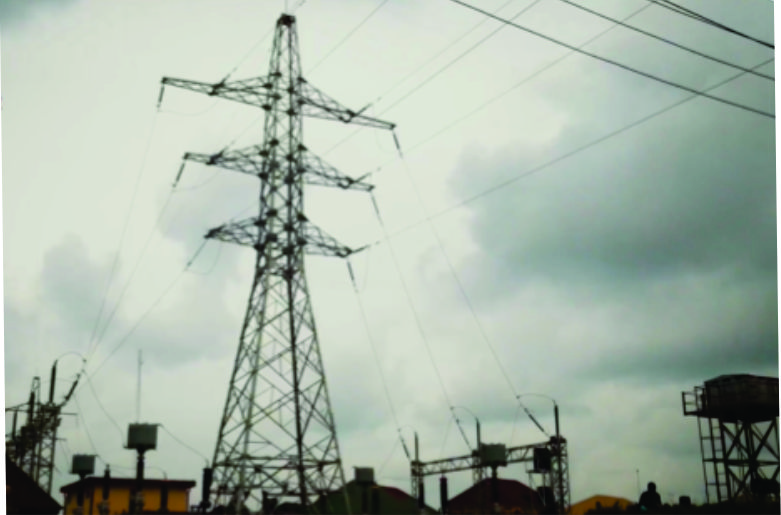
    ABUJA, Nigeria (NPA) — The Transmission Company of Nigeria (TCN) has announced a scheduled annual maintenance exercise at the McPherson 132/33KV Transmission Substation, warning that electricity supply will be temporarily disrupted in parts of Ogun State.

    In a notice issued on Thursday, TCN said the maintenance would be carried out on the 40 MVA 132/33 kV power transformer located at the McPherson Transmission Substation on May 14, from 10:00 a.m. to 4:00 p.m.

    The company explained that the exercise is part of routine preventive maintenance to ensure the continued optimal performance and reliability of the transformer.

    According to the statement signed by the General Manager, Public Affairs, Ndidi Mbah, technical crews from the Osogbo Region of TCN would undertake preventive checks and servicing during the six-hour operation.

    As a result of the maintenance work, the Ibadan Electricity Distribution Company (IBEDC) will be unable to receive electricity supply from the transmission substation for onward distribution to customers in the affected areas.

    The affected communities listed by the company include McPherson, University and Ogunmakin.

    TCN said the temporary outage was necessary to allow its engineers to safely carry out the maintenance activities designed to improve operational efficiency and reduce the risk of equipment failure.

    The company apologised to electricity consumers in the affected areas for the inconvenience the planned outage may cause.

    “TCN apologises for any inconvenience this may cause electricity consumers in the affected areas,” the statement said.

    The transmission firm further appealed to residents and businesses in the affected communities to bear with the temporary disruption, assuring that normal power supply would be restored immediately after the completion of the maintenance exercise.