

Egypt secures $1.5bn ITFC loan to boost food, energy security
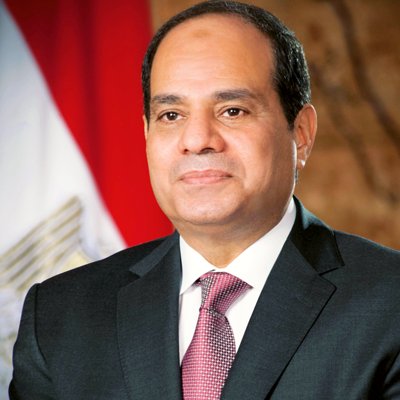
CAIRO, Egypt (Agency Report) — Egypt has signed a 1.5 billion dollar financing agreement with the International Islamic Trade Finance Corporation (ITFC) to strengthen food and energy security amid mounting economic pressures and regional instability.
The agreement was signed on Wednesday in Cairo, with the funds expected to support the country’s strategic food imports and petroleum supply operations.
Under the arrangement, 700 million dollars will be allocated to the General Authority for Supply Commodities (GASC), while the Egyptian General Petroleum Corporation (EGPC) will receive 800 million dollars, according to Egypt’s Planning Minister, Ahmed Rostom.

The financing package is aimed at supporting Egypt’s ability to maintain stable supplies of essential commodities and energy resources as the country grapples with economic challenges and rising external pressures.
Speaking during the signing ceremony, Chief Executive Officer of the ITFC, Adib Youssef Al Aama, said the corporation has approved more than 24 billion dollars in funding for Egypt since 2008.
According to him, the support has focused on financing the energy sector, strengthening food security and supporting small and medium-scale enterprises.
He disclosed that about 8.8 billion dollars of the financing had gone to GASC to facilitate Egypt’s importation of key food commodities, including approximately 12.6 million tonnes of wheat.
Egypt remains one of the world’s largest wheat importers due to its extensive bread subsidy programme, which supports an estimated 70 million citizens and costs the government more than 2.6 billion dollars annually.
The ITFC also assisted Egypt in addressing arrears owed to foreign oil companies, with the government pledging to clear the outstanding obligations by the end of June.
The latest loan agreement comes at a delicate period for Egypt’s economy as authorities continue implementing reforms under an 8 billion dollar International Monetary Fund (IMF) support programme.
Economic pressures have also intensified following the impact of the ongoing U.S.-Israeli war involving Iran, which has increased uncertainty across regional financial and energy markets.
Analysts say the conflict has added fresh strain to Egypt’s fragile economy, which remains heavily dependent on foreign portfolio inflows and imported gas supplies.
Last week, the Egyptian government also announced plans to review its long-running subsidy system and potentially replace portions of it with direct cash transfers beginning in July as part of broader economic reform measures.
The move is expected to form part of efforts to reduce fiscal pressures while maintaining support for vulnerable citizens amid rising living costs.
Dangote commends NGX leadership for transforming Nigeria’s capital market

NNPC records N3.09trn revenue, N279bn profit after tax in July 2026
Ebonyi launches free digital skills training for young people

JUST IN: Nigeria records 4,765 domestic flight delays, 36 cancellations in August — NCAA

Presidential spokesperson Dare speaks on venture architecture for global scale at Imperial College London

X updates Terms of Service, introduces changes to dispute resolution
Nigeria’s Education Minister of State joins UNESCO roundtable on AI in education

Air Peace apologises for flight delays, cites weather, bird strikes, technical issues
- Tinubu commissions NRS Headquarters, says new tax reforms will drive prosperity
- Akwa Ibom governor approves appointment letters for 4,000 civil service recruits
- Climate change anxiety is rising — and so is the willingness to act on it
- Golden Globes want to make a comeback this year. Hollywood isn’t buying
- Baseball boosts TBS, NFL gives ESPN a kick and streamers love ‘Squid’
Community Discussion