Category: Economy & Policy

  • Lagos urges stakeholders to embrace electronic planning permit system, tax compliance

    Lagos urges stakeholders to embrace electronic planning permit system, tax compliance

    LAGOS, Nigeria (NPA) — The Lagos State Government has urged stakeholders in the built environment to embrace its newly introduced Electronic Physical Planning Permit Processing System (E-PPPS) and ensure compliance with tax obligations as part of efforts to improve service delivery and transparency.

    The Commissioner for Physical Planning and Urban Development, Dr Oluyinka Olumide, made the call during a one-day stakeholders’ sensitisation programme on the E-PPPS held in Alausa, Ikeja.

    The event was organised by the Lagos State Office of Physical Planning in collaboration with agencies under the Ministry of Physical Planning and Urban Development.

    Olumide said tax compliance remains a key requirement for obtaining physical planning permits in the state and encouraged stakeholders to make accurate declarations regarding their tax status.

    According to him, the E-PPPS was developed to simplify permit processing, reduce delays, improve transparency and address challenges associated with physical planning approvals.

    He noted that Lagos has continued to lead in the adoption of innovative governance initiatives and said the digital platform would strengthen documentation, information management and service efficiency in the physical planning sector.

    “The only thing that is permanent is change. This transition is aimed at simplifying processes, saving time, enhancing transparency and making life easier for residents, developers and other stakeholders in the built environment,” Olumide said.

    The commissioner assured stakeholders that the ministry had adequately trained personnel to provide support and resolve challenges that may arise during the implementation of the platform.

    Also speaking, the Lagos State Head of Service, Mr Olabode Agoro, described the E-PPPS as a transformative initiative that leverages technology to improve efficiency, speed and accessibility in government services.

    He said the platform would eliminate bureaucratic bottlenecks by enabling users to access services remotely, from application submission to final approval.

    Agoro urged staff of the ministry to embrace the digital transition, acquire relevant skills and maintain professionalism in their interactions with the public.

    He also advised officials to ensure that planning approvals are guided by professional standards and regulatory requirements rather than revenue considerations.

    The Head of Service called on stakeholders to actively participate in the implementation process and provide constructive feedback to enhance the effectiveness of the system.

    “The new system is no longer an aspiration but a necessity in modern governance,” he said.

    The Ologba of Ogbaland, Oba Latif Egbeyemi, commended the state government for introducing the platform but appealed for the temporary retention of the manual processing system to allow users time to adapt to the new technology.

    Representing the Nigerian Institute of Town Planners, Lagos State Chapter, Mr Tayo Awomosu said the initiative aligns with global best practices and would promote efficiency, transparency, accountability and effective data management.

    Participants at the event included architects, surveyors, developers, builders, structural engineers and town planners.

    (NAN)

  • JUST IN: Bank of England MPC holds interest rate at 3.75% amid inflation concerns

    JUST IN: Bank of England MPC holds interest rate at 3.75% amid inflation concerns

    LONDON, United Kingdom (NPA) — The Bank of England has maintained its benchmark interest rate at 3.75 per cent, citing continued uncertainty over global energy prices, inflationary pressures and the broader economic outlook.

    The decision was announced on Thursday following a meeting of the Monetary Policy Committee (MPC) that ended on June 17.

    According to the bank, seven members of the committee voted to keep the Bank Rate unchanged at 3.75 per cent, while two members favoured a 0.25 percentage-point increase to 4.0 per cent.

    In its June 2026 Monetary Policy Summary, the MPC said global energy prices had declined since its previous meeting following developments in the Middle East, but remained above pre-conflict levels and continued to exhibit significant volatility.

    The committee noted that the full impact of the energy shock on the UK economy remains uncertain.

    “Monetary policy cannot influence energy prices but is being set to ensure that the economic adjustment to them occurs in a way that achieves the 2 per cent inflation target sustainably,” the MPC said.

    The committee stated that the appropriate policy response would depend on the scale and duration of the energy shock and how its effects spread through the wider economy.

    Official data showed that Consumer Price Index (CPI) inflation had eased to 2.8 per cent since the previous MPC meeting.

    However, the bank warned that inflation is expected to rise later in the year as the impact of higher energy costs continues to feed through to households and businesses.

    The MPC said the risk of sustained inflationary pressures through higher prices and wage demands would increase if elevated energy prices persist for an extended period.

    At the same time, it noted that the labour market continues to soften, while signs of weakening economic activity could help moderate inflationary pressures.

    The committee added that borrowing costs for households and businesses remain significantly higher than they were before the recent energy shock, a factor expected to contribute to lower inflation over time.

    “Taking all the risks to the economic outlook into account, the Committee judges that it is appropriate to maintain Bank Rate at this meeting,” the statement said.

    The MPC reiterated its commitment to achieving the bank’s medium-term inflation target of 2 per cent and said it would continue to monitor developments in the Middle East and their impact on the UK economy.

    The committee also signalled its readiness to adjust monetary policy if necessary to ensure inflation remains on track to meet the target sustainably.

    The next Bank of England interest rate decision is scheduled for July 30, 2026.

  • DEMOCRACY DAY: Mbah urges Nigerians to embrace unity, justice, good governance

    DEMOCRACY DAY: Mbah urges Nigerians to embrace unity, justice, good governance

    ENUGU, Nigeria (NPA) — Governor Peter Ndubuisi Mbah of Enugu State has called on Nigerians to recommit themselves to the values of unity, justice, and good governance as the nation marks Democracy Day.

    In his Democracy Day message on Friday, the governor said the survival and growth of democracy depend not only on institutions but also on the commitment, participation, and resilience of the people.

    According to Mbah, democracy thrives when citizens remain actively engaged in the pursuit of a better society and accountable governance.

    “As we celebrate Democracy Day, I join Nigerians across the country in reflecting on our shared journey and recommitting ourselves to the values of unity, justice, and good governance,” he said.

    The governor noted that Nigeria’s democratic progress has been sustained by the courage, sacrifices, and aspirations of citizens who continue to believe in the promise of a better future.

    “Democracy is sustained not only by institutions, but by the people whose courage, participation, and belief in a better future keep its ideals alive,” he stated.

    Mbah also paid tribute to the people of Enugu State, commending what he described as their resilience, enterprise, and unwavering commitment to development.

    He said the contributions of Ndi Enugu continue to drive economic growth and social progress both within the state and across the country.

    The governor urged citizens to remain united in the collective task of nation-building and creating opportunities for future generations.

    “Together, let us continue building a stronger Nigeria and a more prosperous Enugu for generations to come,” he said.

    The Democracy Day message comes as the Mbah administration continues to pursue ambitious economic and infrastructure projects aimed at transforming Enugu State into a major investment destination.

    One of the flagship projects is the proposed 660-megawatt coal-fired power plant, expected to provide stable and affordable electricity to homes and businesses across the state by late 2027.

    According to the state government, the project will utilise Enugu’s low-sulfur, high-calorific coal reserves to generate cleaner energy while addressing long-standing electricity challenges.

    The administration believes a reliable power supply is critical to its broader economic vision of expanding Enugu’s economy from approximately $4.4 billion to $30 billion.

    Industry analysts have also projected that the project could position Enugu as one of Nigeria’s leading power-independent states, improve industrial productivity, reduce energy costs, and attract significant local and foreign investments.

  • EU Council endorses negotiating position on European business wallets

    EU Council endorses negotiating position on European business wallets

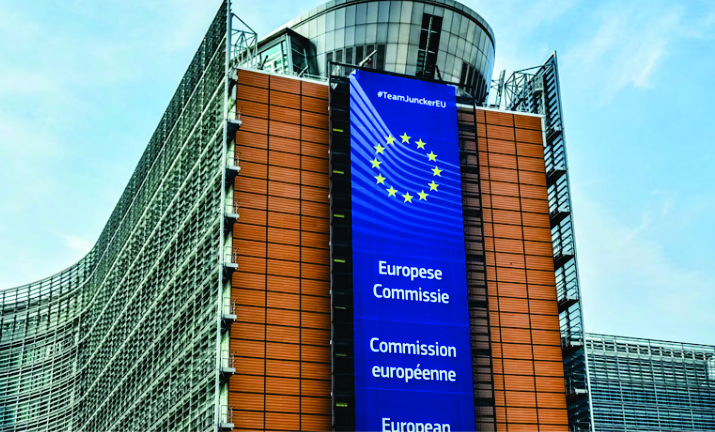
    BRUSSELS, Belgium (NPA) — The Council of the European Union has formally adopted its negotiating stance on the creation of European business wallets (EBWs), a digital identity solution designed to streamline and secure business interactions across the bloc.

    The initiative, built on the eIDAS2 framework, will allow companies to digitalise operations that currently require in‑person processing. By offering a harmonised European solution, EBWs will enable secure cross‑border communication and document exchange, reducing administrative burdens and strengthening the single market.

    Deputy Minister for Research, Innovation and Digital Policy of Cyprus, Nicodemos Damianou, hailed the agreement as “a key building block of Europe’s digital future” and central to the ‘One Europe, One Market’ roadmap. He stressed that the Council is on track to reach a political agreement by the end of 2026, in line with commitments made at the March 2026 European Council.

    With EBWs, companies will be able to verify identities digitally, create and share trusted documents such as licenses and permits, sign and seal documents electronically, delegate legal authority, and communicate securely with businesses or public administrations.

    The Council’s position introduces several safeguards and clarifications: EBWs will complement rather than replace national systems; digital actions will be legally recognised but subject to national requirements; powers of attorney remain unaffected; and stricter authorisation thresholds for EBW providers have been set to enhance cybersecurity. National supervisory bodies will now have up to 60 days to review provider applications, with streamlined timelines for clarity.

    Having reached a general approach, the Council will now begin negotiations with the European Parliament under the ordinary legislative procedure once Parliament adopts its position.

  • Nigeria’s capital importation rises 83.8% to $10.37 billion in Q1 2026

    Nigeria’s capital importation rises 83.8% to $10.37 billion in Q1 2026

    ABUJA, Nigeria (NPA) — Nigeria recorded a total capital importation of $10.37 billion in the first quarter of 2026, representing an 83.83 per cent increase from the $5.64 billion reported in the corresponding period of 2025, according to the latest Capital Importation Report released by the National Bureau of Statistics (NBS).

    The report also showed a 60.97 per cent quarter-on-quarter increase compared to the $6.44 billion recorded in the fourth quarter of 2025, signalling renewed investor interest in Africa’s largest economy.

    According to the NBS, portfolio investment remained the dominant source of capital inflows, accounting for $9.86 billion or 95.09 per cent of total capital imported during the period.

    Other investments contributed $374.48 million, representing 3.61 per cent of total inflows, while Foreign Direct Investment (FDI) recorded the lowest share at $135.08 million, accounting for just 1.30 per cent.

    A breakdown of the report revealed that the banking sector continued to serve as the primary gateway for foreign capital entering the country, accounting for the largest share of inflows.

    Standard Chartered Bank Nigeria Limited emerged as the leading recipient institution, attracting $4.41 billion, representing 42.56 per cent of total capital importation.

    It was followed by Stanbic IBTC Bank Plc, which recorded inflows of $2.78 billion or 26.79 per cent, while Rand Merchant Bank attracted $930.82 million, representing 8.97 per cent.

    Citibank Nigeria Limited and Access Bank Plc completed the top five with capital inflows of $782.84 million and $710.03 million, respectively.

    Sectoral analysis showed that banking and financing activities dominated investment inflows, jointly accounting for more than 96 per cent of total capital imported during the quarter.

    The financing sector attracted $2.43 billion, representing 23.42 per cent of total inflows, while production and manufacturing received $152.27 million or 1.47 per cent.

    Investment in shares accounted for $75.34 million, representing 0.73 per cent of total inflows.

    Other sectors recorded comparatively smaller investments, including trading with $65.79 million, agriculture with $37.28 million, and information technology services with $11.33 million.

    The telecommunications, transport, and construction sectors collectively accounted for less than one per cent of total capital importation during the period.

    The NBS noted that the continued dominance of the banking sector reflects the critical role of financial institutions in facilitating foreign investment into Nigeria.

    The strong performance recorded in the first quarter of 2026 points to improving investor confidence and a gradual recovery in capital inflows, supported largely by increased portfolio investments and sustained interest in Nigeria’s financial sector.

  • Tinubu, Oyedele highlight Lagos as engine of Nigeria’s economic growth, investment hub

    Tinubu, Oyedele highlight Lagos as engine of Nigeria’s economic growth, investment hub

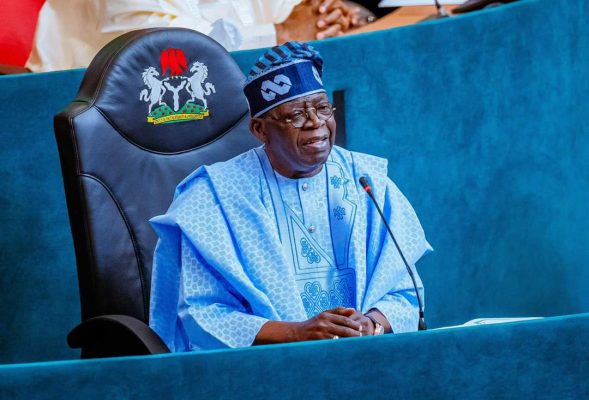
    LAGOS, Nigeria (NPA) — President Bola Tinubu has described Lagos State as a major driver of Nigeria’s economy, saying the state continues to lead the country in investment attraction, innovation, and economic growth.

    Represented by Vice President Kashim Shettima at the Invest Lagos 3.0 Summit in Lagos on Monday, Tinubu said Lagos contributes about 30 per cent of Nigeria’s Gross Domestic Product (GDP), making it one of Africa’s most significant economic centres.

    He attributed the state’s remarkable growth to policy consistency, enterprise, and a conducive environment for business and investment.

    “Lagos is Nigeria. Lagos is Nigeria,” the President declared, underscoring the state’s strategic importance to the national economy.

    According to him, Lagos offers investors unparalleled access to markets, capital, talent, infrastructure, and business opportunities, positioning it as a gateway to Africa’s vast economic landscape.

    Tinubu further noted that Lagos hosts five of Africa’s nine technology unicorns, a development he said reinforces its status as the continent’s leading hub for innovation and investment.

    The President stated that ongoing economic reforms by the Federal Government are restoring investor confidence, strengthening fiscal sustainability, and improving the country’s investment outlook.

    He added that Nigeria’s foreign reserves have grown significantly, rising to nearly $50 billion, while assuring local and international investors that the country remains open for business.

    “Nigeria is ready and open for business,” he said.

    Tinubu stressed that sustaining economic growth would require stronger collaboration between the Federal Government and subnational governments, commending Lagos for setting standards that encourage other states to improve their investment climate and competitiveness.

    Also speaking, the Minister of Finance and Coordinating Minister of the Economy, Mr Taiwo Oyedele, said state governments are increasingly becoming critical drivers of Nigeria’s economic transformation.

    “The future of Nigeria’s growth story is being written in Lagos, Kano, Enugu, Uyo and other cities,” Oyedele said.

    He noted that investors are increasingly focusing on projects, industrial clusters, logistics corridors, and economic ecosystems rather than countries alone.

    The minister cited the recent commissioning of a hyperscale data centre in Lagos as a successful example of collaboration between the public and private sectors.

    According to him, key reforms undertaken by the Federal Government have improved economic predictability, competitiveness, and profitability for investors.

    He identified exchange-rate reforms, stronger external reserves, and fiscal restructuring as some of the measures supporting macroeconomic stability.

    Oyedele disclosed that Nigeria’s economy recorded a growth rate of 3.89 per cent in the first quarter of 2026 and expanded by 11.2 per cent in dollar terms in 2025.

    He also highlighted ongoing tax reforms designed to simplify compliance procedures, improve efficiency, and support business expansion.

    “Our goal is not to tax more; it is to tax smarter,” he said.

    The minister further announced plans to establish a Nigerian Deal Room to connect investors with viable projects and unlock investment opportunities across key sectors of the economy.

    He urged investors to explore opportunities in infrastructure, agriculture, energy, manufacturing, technology, tourism, and housing, describing Nigeria as one of the world’s most attractive long-term investment destinations.

    “Nigeria remains one of the most compelling long-term investment destinations globally,” Oyedele added.

  • Umo Eno leads Akwa Ibom delegation to France to advance Ibom Deep Sea Port Project

    Umo Eno leads Akwa Ibom delegation to France to advance Ibom Deep Sea Port Project

    PARIS, France (NPA) — Akwa Ibom State Governor, Pastor Umo Eno, has led a high-level delegation to France as part of ongoing efforts to accelerate the development of the Ibom Deep Sea Port, one of Nigeria’s most ambitious maritime infrastructure projects.

    The visit comes as the state government intensifies engagements with technical and investment partners following federal approvals and the completion of key project planning stages.

    In a statement issued on Friday, Governor Eno disclosed that he chaired a strategic technical session in Paris with Africa Global Logistics (AGL) Group and other stakeholders involved in the project.

    According to the governor, discussions centred on the recently completed technical feasibility report and the roadmap for moving the project from the planning phase to execution.

    “The meeting reviewed the recently completed technical feasibility report and focused on the next steps required to move the project from planning to execution,” Eno said.

    “I emphasised the need for clear timelines, defined milestones and accelerated implementation.”

    The governor reiterated his administration’s commitment to delivering the project, describing the Ibom Deep Sea Port as a strategic economic asset capable of transforming Akwa Ibom into a major maritime, trade and logistics hub.

    “The Ibom Deep Sea Port remains a key strategic project for our state. We are committed to working with our partners to bring this vision to reality and position Akwa Ibom as a major maritime, trade and logistics destination,” he added.

    Earlier in the week, Governor Eno appeared on ARISE Television’s Morning Show (monitored by Newpost Africa), where he explained that the state government was bringing together the necessary technical, financial and development partners required to actualise the project following approvals granted by the Federal Government.

    Located in Mbo Local Government Area, the Ibom Deep Sea Port is a flagship component of the broader Ibom Industrial City initiative and is designed to serve as a major maritime gateway for Nigeria, West Africa and Central Africa.

    The port is strategically positioned in naturally deep waters, enabling it to accommodate large post-Panamax vessels and ease pressure on existing ports in Lagos and Rivers State.

    The project is being developed through a Public-Private Partnership (PPP) framework and is expected to stimulate economic growth through increased trade, industrialisation, job creation and foreign direct investment.

    Upon completion, the port is projected to strengthen Nigeria’s maritime competitiveness, expand export capacity and support the growth of industries including logistics, manufacturing, oil and gas.

    Analysts view the project as a potential game-changer for the South-South region, with the capacity to drive regional integration and position Akwa Ibom as a leading commercial and industrial destination.

  • UK delegation visits NPA, deepens maritime cooperation with Nigeria

    UK delegation visits NPA, deepens maritime cooperation with Nigeria

    LAGOS, Nigeria (NPA) — The Nigerian Ports Authority (NPA) has reaffirmed its commitment to strengthening maritime cooperation with the United Kingdom following a high-level visit by a British delegation led by the Deputy British High Commissioner, Jonny Baxter, and the United Kingdom National Hydrographer, Rear Admiral Angus Essenhigh.

    The delegation, which also included officials of the United Kingdom Hydrographic Office (UKHO), paid a courtesy visit to the Managing Director of the NPA, Dr Abubakar Dantsoho, at the authority’s headquarters.

    The visitors were received by the NPA Managing Director, alongside the Executive Director, Engineering and Technical Services, and other members of the authority’s senior management team.

    Discussions centred on expanding the longstanding maritime partnership between Nigeria and the United Kingdom, particularly in the areas of hydrography, navigational safety, port development and capacity building.

    During the meeting, Dantsoho highlighted the NPA’s ongoing modernisation initiatives, including major investments in port rehabilitation, channel improvement projects and critical infrastructure upgrades designed to enhance operational efficiency and strengthen Nigeria’s position as a leading maritime hub in the region.

    The Managing Director noted that the reforms are aimed at improving port competitiveness, facilitating trade and supporting the growth of Nigeria’s blue economy.

    The UK delegation reaffirmed its commitment to supporting Nigeria’s hydrographic development through technical cooperation and knowledge exchange.

    Areas of support discussed include nautical charting, implementation of S-100 hydrographic standards, digitalisation of maritime services and specialised training programmes for NPA personnel.

    Both sides expressed optimism that enhanced collaboration would contribute to safer navigation, improved port operations and greater efficiency within Nigeria’s maritime sector.

  • EU unveils €641 million investment package to boost Moldova’s economy

    EU unveils €641 million investment package to boost Moldova’s economy

    BRUSSELS, Belgium (NPA) — The European Union has announced investment plans and project initiatives worth up to €641 million aimed at strengthening Moldova’s economy, improving infrastructure and accelerating the country’s integration into European markets.

    The announcement was made by the European Commissioner for Enlargement, Marta Kos, during the EU-Moldova Investment Conference.

    According to the European Commission, the package brings together funding from international financial institutions, private sector partners and public stakeholders to support key sectors including energy, digital infrastructure, education and sustainable agriculture.

    The initiative is designed to enhance Moldova’s economic resilience, expand access to finance, modernise infrastructure and deepen integration into European value chains.

    A major component of the package includes up to €433 million mobilised through a combination of European Union grants, guarantees and loans in partnership with leading international financial institutions.

    Under the arrangement, the Agence Française de Développement (AFD) will support energy-efficiency projects in public buildings and residential housing, while the European Investment Bank (EIB) will finance the modernisation of school infrastructure across Moldova.

    The European Bank for Reconstruction and Development (EBRD) will support the development of digital infrastructure and services, strengthen strategic investment frameworks and enhance private-sector competitiveness and innovation.

    The European Fund for Southeast Europe (EFSE) and the Green for Growth Fund (GGF) will help expand access to finance for businesses and households.

    In addition, eight private-sector projects worth up to €208 million in planned investments were selected under the EU’s Call for Expressions of Interest for private investments in Moldova.

    Letters of Intent were signed in the presence of Moldova’s President Maia Sandu, Prime Minister Alexandru Munteanu and Commissioner Kos.

    The selected projects include investments in private equity, data centres, technology innovation, pharmaceuticals, manufacturing, logistics, water infrastructure and agricultural exports.

    Among the companies involved are INVL, TET, Micro Nano Tech, Balkan Pharmaceuticals, KB Container, Danube Logistics, BOSAQ and VED-MAR AGRO.

    The EU said the investments are expected to support Moldova’s economic transformation, improve connectivity, strengthen industrial capacity and create new opportunities for businesses and citizens.

    Looking ahead, the European Union and Moldova are expected to hold their second EU-Moldova Summit on June 22, where both sides will reaffirm their strategic partnership and commitment to Moldova’s European integration ambitions.

    The investment package forms part of the EU’s broader Growth Plan for Moldova, a €1.9 billion programme proposed in October 2024 to support reforms, economic growth and development between 2025 and 2027.

    According to the European Commission, Moldova has already received €504 million under the Growth Plan, making it the largest financial support package ever provided by the EU to the country.

    EU officials said they will continue working closely with the Moldovan government, international financial institutions and private-sector partners to ensure the successful implementation of the announced projects and deliver tangible benefits for citizens and businesses.