Category: Economy & Policy

  • Onanuga hails CBN figures, says economic reforms are strengthening Nigeria’s economy

    Onanuga hails CBN figures, says economic reforms are strengthening Nigeria’s economy

    ABUJA, Nigeria (NPA) — Special Adviser to President Bola Ahmed Tinubu on Information and Strategy, Bayo Onanuga, has welcomed the latest economic figures released by the Central Bank of Nigeria (CBN), saying they indicate progress in the Federal Government’s economic reform agenda.

    In a statement on Tuesday, Onanuga highlighted five key figures from the communiqué of the 307th meeting of the CBN Monetary Policy Committee (MPC).

    He said the figures showed improvements in Nigeria’s external position and monetary policy environment.

    According to Onanuga, the highlights include:

    • Nigeria’s foreign reserves rose to $55.25 billion as of September 18, 2026, which he described as the highest level in 18 years.
    • The reserves are sufficient to finance 11.3 months of imports of goods and services.
    • The current account surplus increased by 67.92 per cent, from $4.49 billion in the first quarter to $7.54 billion in the second quarter of 2026.
    • The balance of payments surplus rose from $2.38 billion to $3.51 billion over the same period.
    • The CBN reduced the benchmark interest rate to 23 per cent from 26.5 per cent, as part of the resetting of the Monetary Policy Rate (MPR) and recalibration of the policy corridor.

    Onanuga said the figures reflected an improvement in Nigeria’s external position.

    “According to CBN, the current account surplus increased from $4.49 billion in the first quarter to $7.54 billion in the second quarter. In comparison, the balance of payments surplus rose from $2.38 billion to $3.51 billion over the same period,” he said.

    He said the figures were contained in the communiqué issued after the MPC meeting.

    Onanuga also quoted CBN Governor Olayemi Cardoso as saying the improvement in Nigeria’s external position had contributed to greater stability in the foreign exchange market.

    According to him, Cardoso said foreign exchange pressures had receded significantly as Nigeria rebuilt its external buffers.

    The CBN’s official statistics database provides data on Nigeria’s external reserves, balance of payments and other monetary and economic indicators.
  • Nigeria’s merchandise trade rises 19.13% to ₦41.44tn in Q2 2026 — NBS

    Nigeria’s merchandise trade rises 19.13% to ₦41.44tn in Q2 2026 — NBS

    ABUJA, Nigeria (NPA) — Nigeria’s total merchandise trade rose to ₦41.44 trillion in the second quarter of 2026, representing a 19.13 per cent increase from the ₦34.79 trillion recorded in the first quarter, according to the latest Foreign Trade Statistics Report by the National Bureau of Statistics (NBS).

    The figure also represents a 5.61 per cent increase compared with the ₦39.24 trillion recorded in the second quarter of 2025.

    The NBS disclosed the figures in its Q2 2026 Foreign Trade Statistics Report released on Monday, September 7, 2026.

    According to the report, Nigeria recorded total exports of about ₦27 trillion during the quarter, while imports stood at approximately ₦14.4 trillion, resulting in a trade surplus of ₦12.59 trillion.

    The report showed that crude oil remained a major component of the country’s exports, accounting for ₦12.91 trillion, while other petroleum oil products contributed ₦10.38 trillion.

    Non-oil exports included raw materials valued at ₦2.31 trillion, agricultural goods at ₦802.99 billion, manufactured goods at ₦393.03 billion and solid minerals at ₦146.91 billion.

    On the import side, manufactured goods dominated with ₦9.51 trillion, representing 65.99 per cent of total imports. Raw materials accounted for ₦1.79 trillion, agricultural goods ₦1.20 trillion and other petroleum oil products ₦1.08 trillion.

    Reacting to the figures, the Special Adviser to President Bola Ahmed Tinubu on Information and Strategy, Bayo Onanuga, OON, CON, described the report as another indication of what he called the positive impact of the administration’s economic reforms.

    Onanuga said the latest figures showed that Nigeria’s trade surplus was surging despite criticism of the administration’s economic policies by opposition groups ahead of the 2027 presidential election.

    He said the country had recorded its 11th consecutive trade surplus since President Tinubu assumed office in May 2023, and its 14th surplus since the fourth quarter of 2022.

    According to Onanuga, Nigeria’s trade volume has also increased significantly under the Tinubu administration.

  • Ebonyi Govt offers free CAC registration for small businesses

    Ebonyi Govt offers free CAC registration for small businesses

    ABAKALIKI, Nigeria (NPA) — The Ebonyi State Government has launched a programme to support small and medium-scale businesses in the state by providing free registration with the Corporate Affairs Commission (CAC).

    The initiative is aimed at helping businesses operating informally to obtain legal recognition and gain access to opportunities such as finance, grants and other sector-specific funding provided by the state, Federal Government and international development partners.

    The intervention is expected to strengthen the formal business structure in the state, improve access to funding and contribute to the growth of Ebonyi’s economy and Gross Domestic Product (GDP).

    According to a flyer announcing the scheme, released on Sept. 4 by Leo Ekene Oketa, Special Assistant to the Governor on New Media, the initiative is titled “Get Free CAC Registration: Taking Ebonyi Businesses from Informal to Formal.”

    The programme is being implemented through the Ebonyi State Small and Medium Enterprises Development Agency (EBSMEDA).

    The statement said the initiative was designed to give entrepreneurs a stronger foundation to operate, access opportunities and grow their businesses with greater confidence.

    “Starting and growing a business is easier when the right support is available. That is why the Ebonyi State Government, through EBSMEDA, is once again providing FREE CAC registration for businesses in the State.

    “Simply, this is formalising a business, giving entrepreneurs a stronger foundation to operate, access opportunities and grow with greater confidence.

    “It is another practical intervention by the administration of Governor Francis Ogbonna Nwifuru to remove some of the barriers facing Ebonyi entrepreneurs and make it easier for small businesses to thrive,” the statement said.

    The scheme is open to entrepreneurs and businesses seeking to register as a Limited Liability Company (LLC).

    Applicants are required to provide a passport photograph, a valid means of identification such as NIN, international passport, driver’s licence or voter’s card, as well as a scanned signature.

    Applicants must also provide their full name, date of birth, gender, phone number, residential address, Local Government Area and state of origin, email address, occupation and NIN.

    For company registration, applicants are required to provide three proposed business names, business address and state, nature or description of the business and shareholding structure, where applicable.

    The state government said the intervention reflected its commitment to removing barriers to entrepreneurship and creating an enabling environment for businesses to thrive.

    “A government that supports business is a government investing in the people,” the statement said.

    It added that the initiative was being implemented under the People’s Charter of Needs of the Nwifuru administration.

    Interested entrepreneurs have been directed to visit the Staff Development Centre, behind St. Patrick’s Catholic Church, Abakaliki, for further enquiries.

  • Nigeria’s economy grows 4.43% in Q2, government eyes $1 trillion GDP by 2030

    Nigeria’s economy grows 4.43% in Q2, government eyes $1 trillion GDP by 2030

    ABUJA, Nigeria (NPA) — The Federal Government has said Nigeria’s economy is accelerating and remains on track towards its target of building a $1 trillion economy by 2030, following stronger economic growth in the second quarter of 2026.

    According to a statement issued on Tuesday by the Federal Ministry of Finance, Nigeria’s real Gross Domestic Product (GDP) grew by 4.43 per cent year-on-year in the second quarter of 2026.

    The figure represents an increase from the 4.23 per cent growth recorded in the corresponding period of 2025 and 3.89 per cent recorded in the first quarter of 2026.

    The ministry said the strong second-quarter performance lifted Nigeria’s real GDP growth for the first half of 2026 to 4.16 per cent, compared with 3.68 per cent recorded during the same period in 2025.

    It described the performance as evidence of sustained strengthening across the economy.

    “Growth is also becoming more broad-based,” the ministry said.

    “In Q2 2026, 27 economic subsectors recorded real growth above 3.0 per cent, up from 23 subsectors in Q2 2025, showing that expansion is no longer concentrated in a handful of industries.”

    The productive sectors recorded significant improvements during the period, with manufacturing expanding by 3.24 per cent, more than double the 1.60 per cent recorded in the second quarter of 2025.

    Agriculture grew by 4.39 per cent, compared with 2.82 per cent during the corresponding period of the previous year, while the services sector, Nigeria’s largest driver of economic growth, expanded by 4.60 per cent, up from 3.94 per cent.

    The ministry also attributed part of the improvement in the economy’s value in dollar terms to the relative stability and appreciation of the naira.

    According to the statement, the naira appreciated by more than 12 per cent between the first half of 2025 and the first half of 2026, contributing to an estimated 17 per cent expansion of the Nigerian economy in U.S. dollar terms over the period.

    The ministry said that if the momentum is sustained, alongside the Federal Government’s social programmes, it could strengthen dollar incomes, improve purchasing power and help lift millions of Nigerians out of poverty.

    “Given this momentum, Nigeria is well positioned to consolidate its standing among Africa’s largest economies and to advance toward the Government’s target of a USD 1 trillion economy by 2030,” the ministry said.

    The ministry added that the International Monetary Fund had ranked Nigeria among the top 10 contributors to global real GDP growth in 2026, projecting the country to account for about 1.5 per cent of global growth during the year.

    It said continued macroeconomic stability, sustained growth across productive sectors and improving investor confidence could further accelerate Nigeria’s economic expansion.

    “These results underscore the importance of sustaining our reforms and ensuring policy consistency as their benefits begin to reach households across the country,” the ministry said.

    “The Government remains focused on accelerating inclusive growth and translating these macroeconomic gains into shared prosperity for every Nigerian family.”

    According to the ministry, sustained progress could also strengthen Nigeria’s ambition to become Africa’s largest economy by 2028.

  • CBN says Nigeria record $947m remittance inflows in July

    CBN says Nigeria record $947m remittance inflows in July

    ABUJA, Nigeria (NPA) — The Central Bank of Nigeria (CBN) says the country recorded $947 million in remittance inflows through International Money Transfer Operators (IMTOs) in July 2026, marking the highest monthly inflow ever recorded through formal remittance channels.

    The Governor of the Central Bank of Nigeria, Olayemi Cardoso, disclosed this in a statement issued by the bank’s Corporate Communications Department on Sunday in Abuja.

    Cardoso said the July inflow moved Nigeria closer to the CBN’s target of achieving $1 billion in monthly remittances through formal channels.

    According to him, total inflows through IMTOs reached $3.8 billion in the first seven months of 2026, representing a 50.2 per cent increase compared with the corresponding period in 2025.

    He attributed the growth to a series of reforms introduced by the apex bank to make formal remittance channels more competitive, transparent and accessible.

    The reforms, he said, include the transition to a more market-determined exchange rate, changes to the regulatory framework governing International Money Transfer Operators and the introduction of the Non-Resident Bank Verification Number (NRBVN).

    The CBN Governor added that the bank had also increased its engagement with IMTOs, commercial banks and Nigerian communities in the diaspora to encourage the use of formal channels for remittances.

    “More recently, the CBN has strengthened requirements for remittance transactions to be routed through designated settlement accounts with authorised dealer banks,” Cardoso said.

    He noted that the importance of the rising inflows extended beyond the record monthly figure.

    According to him, increased remittances through formal channels would improve foreign exchange liquidity and transparency, support households and investments and strengthen Nigeria’s external financing position.

    “When we set a clear ambition to reach one billion dollars a month in remittance inflows through formal channels nearly two years ago, some people thought we were dreaming,” Cardoso said.

    “At $947 million in July, we are now approaching that milestone.”

    Cardoso said the CBN was focused on sustaining the broader growth trajectory rather than concentrating on individual monthly figures, which could fluctuate.

    He said the significant increase recorded in the first seven months of 2026 demonstrated the growing impact of reforms aimed at strengthening Nigeria’s formal remittance system.

    The CBN, he added, would continue to deepen its engagement with Nigerian diaspora communities and financial-sector partners across major remittance corridors.

    “As part of its wider international engagements, the Bank will continue to use opportunities in major global financial centres to engage diaspora communities, IMTOs, banks and other stakeholders,” he said.

    “This is to reduce friction, widen access and bring a greater share of remittance flows into formal channels.”

    Cardoso said the CBN remained focused on creating the conditions necessary for sustained growth in remittance inflows, expressing confidence that Nigeria could reach and eventually maintain monthly remittances above $1 billion.

    “July is an important marker, but our focus is not on a single month. It is on creating the conditions for sustained growth in formal remittances,” he said.

  • Botswana begins child support grant payments for eligible families

    Botswana begins child support grant payments for eligible families

    GABORONE, Botswana (NPA) — The Government of Botswana has commenced payments under its Child Support Grant (CSG) programme, with eligible beneficiaries beginning to receive the monthly allowance and all outstanding arrears.

    The Ministry of Local Government and Traditional Affairs announced the rollout on Monday, describing the initiative as a major social protection programme aimed at supporting low-income households with children during the critical first year of life.

    According to the ministry, approved beneficiaries have started receiving the P300 monthly Child Support Grant, alongside arrears accrued from the programme’s effective commencement date of April 1, 2026.

    The government said the payment of arrears reflects its commitment to ensuring that every eligible child receives the full support due under the implementation schedule.

    The Child Support Grant targets children below the age of one year, providing financial assistance to vulnerable families to help meet their children’s basic needs during the first 12 months of life.

    The ministry noted that the programme is designed to improve child health, nutrition and early childhood development, recognising the first year of life as a critical period for brain development, physical growth and long-term wellbeing.

    According to the statement, the initiative represents the government’s broader commitment to investing in children’s welfare while strengthening Botswana’s social protection system.

    The ministry advised beneficiaries not to rush to post offices or designated payment centres on the first day of disbursement, assuring them that funds would remain available throughout the payment period.

    It encouraged recipients to collect their grants at any convenient time during the month to prevent overcrowding at payment centres.

    Beneficiaries were also urged to comply with instructions issued by payment officials, present the required identification documents when collecting their grants and direct payment-related enquiries to the nearest Social and Community Development Office.

    The ministry expressed appreciation to the public for their patience and cooperation during the implementation of the Child Support Grant programme.

    It reaffirmed the Botswana government’s commitment to expanding and strengthening social protection programmes aimed at improving the welfare of children, families and communities across the country.

    The ministry advised members of the public seeking additional information to contact their nearest Social and Community Development Office.

  • JUST IN: Kenya’s Omollo says sovereign wealth fund and nuclear project will drive long‑term growth

    JUST IN: Kenya’s Omollo says sovereign wealth fund and nuclear project will drive long‑term growth

    NAIROBI, Kenya (NPA) — Kenya’s Principal Secretary for Internal Security and National Administration, Raymond Omollo, has said the country’s newly established Sovereign Wealth Fund is designed to preserve revenues from natural resources for future generations while supporting long-term economic stability and strategic investments.

    Omollo made the remarks in a statement on Sunday as he outlined the government’s plans to maximise the economic benefits of Kenya’s mineral resources and strengthen the country’s energy infrastructure.

    According to him, the Sovereign Wealth Fund will receive a portion of revenues generated from natural resources, including minerals and petroleum, to build national savings and finance strategic investments.

    “The recently established Kenya Sovereign Wealth Fund is designed to preserve a portion of revenues generated from the country’s natural resources, including minerals and petroleum, for the benefit of future generations while supporting long-term economic stability and strategic investments,” Omollo said.

    He noted that Siaya County, which is endowed with mineral resources and hosts ongoing gold mining activities, stands to benefit significantly from the initiative through increased investment, economic growth and job creation.

    “For the people of Siaya County, the Fund holds considerable promise. The county is endowed with mineral resources, including ongoing gold mining activities, whose future revenues could contribute to national savings while driving local economic growth and job creation,” he added.

    Omollo also disclosed that plans to construct Kenya’s first nuclear power plant in Siaya County continue to advance.

    According to him, the project is expected to strengthen the country’s energy security by providing a stable and reliable electricity supply to support industrial growth and economic transformation.

    “At the same time, plans to develop Kenya’s first nuclear power plant in Siaya County continue to gather momentum. The project is expected to strengthen the country’s energy security, provide reliable electricity for industry and accelerate Kenya’s broader industrialisation agenda,” he said.

    The Kenyan government has identified energy security, industrialisation and the sustainable management of natural resource revenues as key pillars of its long-term economic development strategy.

  • South Africa defends withholding funds from 69 municipalities over financial mismanagement

    South Africa defends withholding funds from 69 municipalities over financial mismanagement

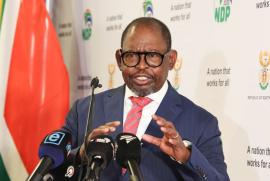
    PRETORIA, South Africa (NPA) — South African Finance Minister Enoch Godongwana has defended the government’s decision to withhold the July 2026 equitable share allocations to 69 municipalities, saying the move is aimed at enforcing financial discipline, ensuring compliance with the law and improving service delivery.

    Godongwana made the remarks on Friday during a media briefing after the National Treasury announced that the affected municipalities had failed to meet key financial and governance obligations.

    According to the Treasury, the municipalities were sanctioned for adopting unfunded budgets, accumulating unauthorised, irregular, fruitless and wasteful expenditure (UIFWE), and failing to meet statutory payment obligations to entities including Eskom, water boards, the South African Revenue Service (SARS), the Auditor-General and pension funds.

    “We have been doing it every year, but on a smaller scale. Of this size, we last did it in 2016,” Godongwana said.

    “Every year, we are fighting with municipalities. Sometimes we take money from one municipality to another because a municipality is not performing. It is precisely this that will enhance service delivery because we are forcing municipalities to perform.”

    The minister explained that the withholding of funds is temporary and that municipalities could regain access to their allocations once they demonstrate credible plans to address the deficiencies identified by the Treasury.

    He said municipalities with unfunded budgets would be required to work with Treasury officials to develop sustainable funding plans, while those owing creditors must submit realistic repayment schedules.

    For municipalities with high levels of unauthorised, irregular, fruitless and wasteful expenditure, Godongwana said Municipal Public Accounts Committees (MPACs) must review the findings of the Auditor-General, recommend corrective measures and ensure appropriate consequence management.

    He disclosed that some municipalities had already complied with Treasury requirements and would have all or part of their equitable share released next week.

    The minister stressed that broader government reforms would only succeed if all public institutions embraced accountability and improved performance.

    “Reforms must be accompanied by making sure that people are performing. If you have reforms and you don’t have willing partners to participate, the reforms are not going to be effective,” he said.

    In a statement, the National Treasury described the state of municipal finances as “sobering.”

    The Treasury said municipalities had accumulated R24.12 billion in fruitless and wasteful expenditure since the 2021/22 financial year, R145.21 billion in irregular expenditure, including R40.14 billion recorded in 2024/25, and R118.13 billion in unauthorised expenditure.

    According to the Treasury, the growing financial mismanagement threatens the sustainability of essential service providers, disrupts basic services and weakens public confidence in local government.

    “South Africans deserve municipalities that are financially sound, accountable and capable of delivering services. By invoking the Constitution, we are signalling seriousness about governance, fiscal responsibility and the rule of law,” Godongwana said.

  • Ghana settles $700 million Eurobond debt ahead of schedule

    Ghana settles $700 million Eurobond debt ahead of schedule

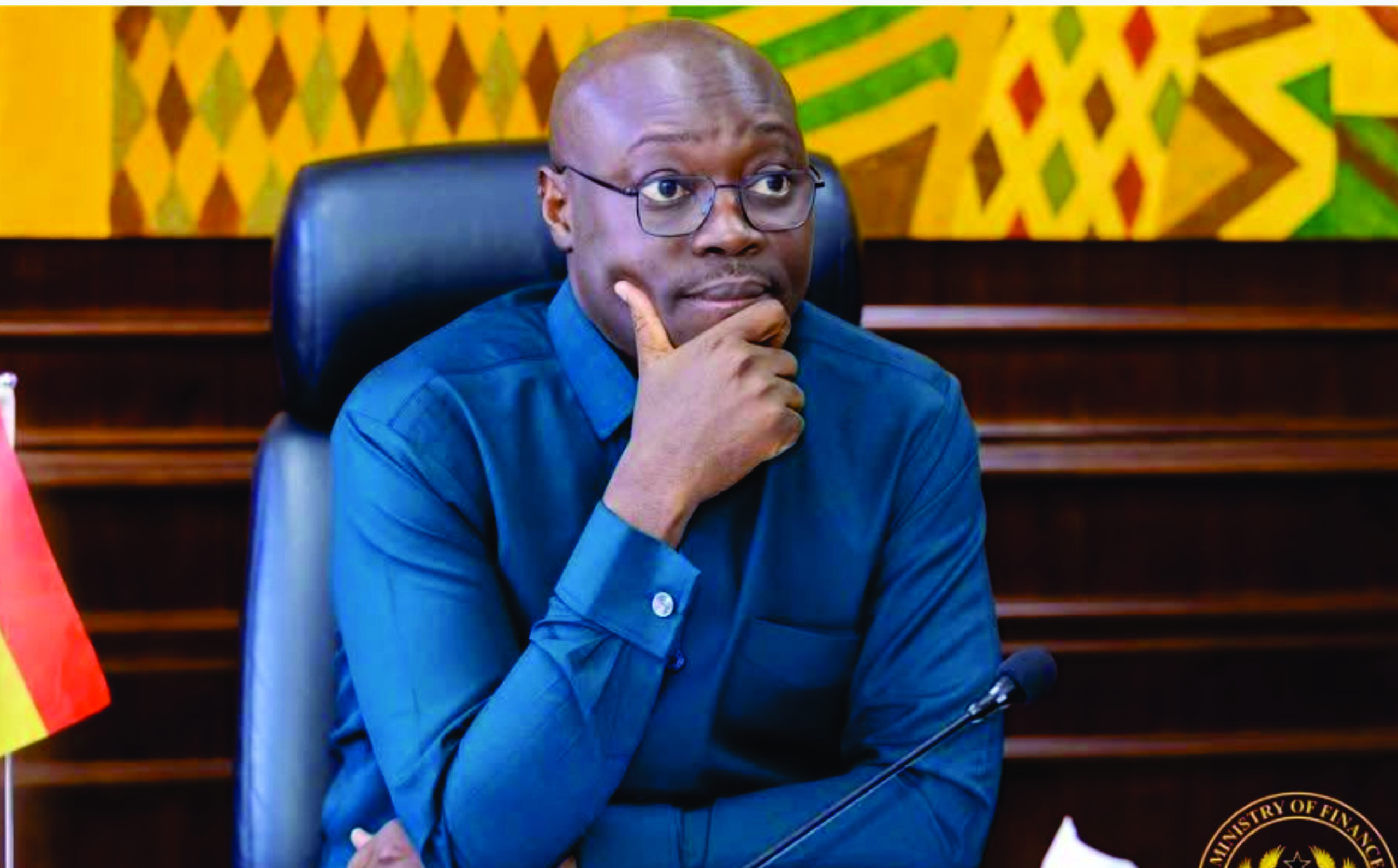
    ACCRA, Ghana (NPA) — Ghana’s Ministry of Finance has announced the full settlement of a $700 million Eurobond debt obligation ahead of schedule, marking another milestone in the country’s debt servicing programme.

    In a statement issued on Monday, the ministry said the payment comprised $525.2 million in principal repayments and $174.8 million in interest payments.

    According to the ministry, the latest payment brings Ghana’s total Eurobond debt servicing to $2.1 billion since January 2025, in line with the terms of the country’s Eurobond Debt Exchange Programme.

    The ministry said the payment was executed through the government’s planned financing arrangements without placing undue pressure on Ghana’s foreign exchange reserves.

    It noted that the settlement would reduce the country’s outstanding Eurobond debt, strengthen investor confidence and reinforce the government’s commitment to prudent debt management and macroeconomic stability.

    “The Ministry of Finance will continue to implement sound public financial management practices to ensure the timely servicing of Ghana’s debt obligations,” the statement said.

    The ministry also expressed appreciation to Ghanaians for their continued patience, support and confidence as the government pursues its economic recovery and debt sustainability agenda.

  • ICYMI: Tinubu flags off major road construction projects in North-Central

    ICYMI: Tinubu flags off major road construction projects in North-Central

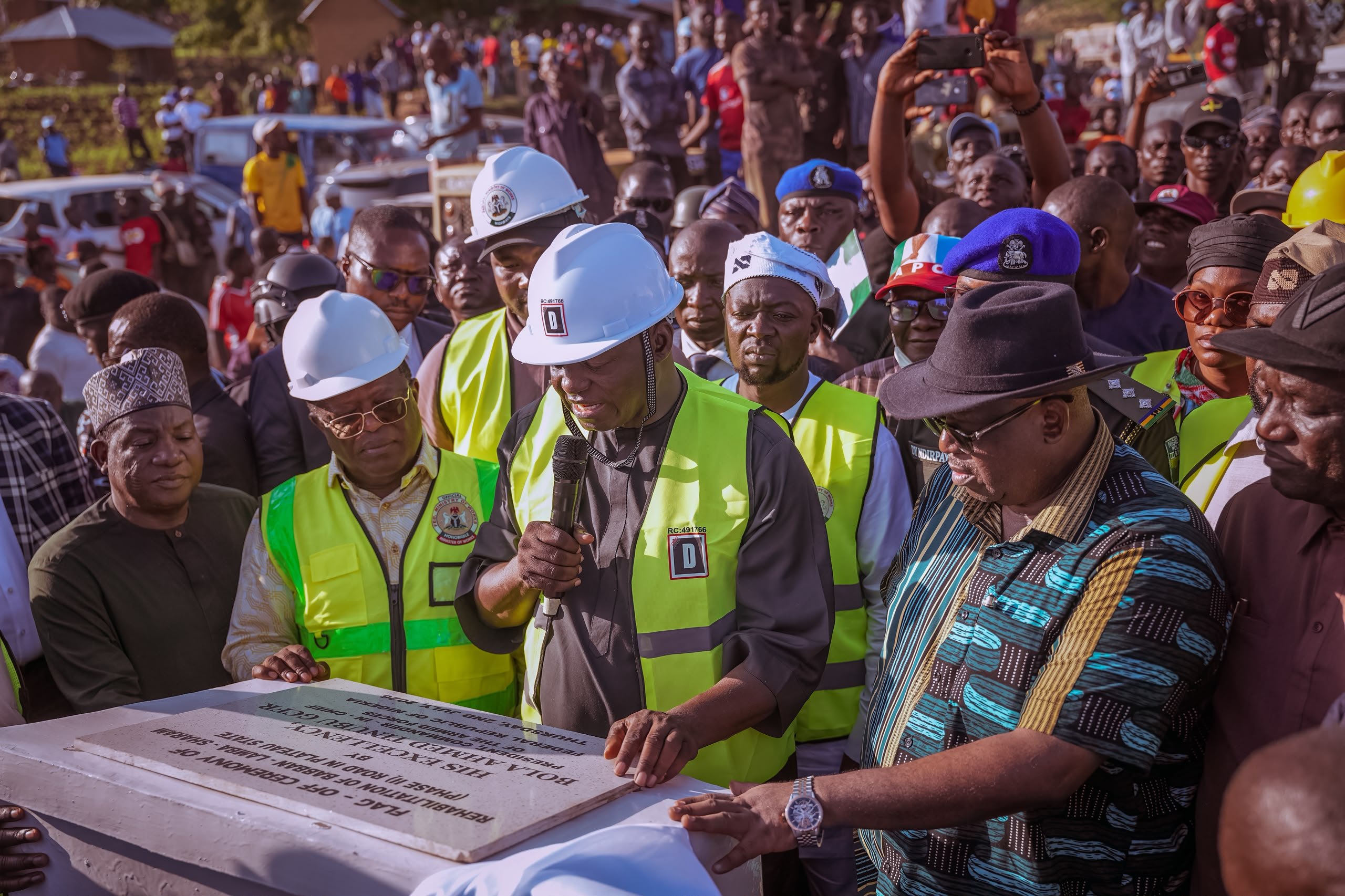
    ABUJA, Nigeria (NPA) — National Chairman of the All Progressives Congress (APC), Prof. Nentawe Goshwe Yilwatda, on Thursday represented President Bola Ahmed Tinubu at the official flag-off of the construction of the Akwanga–Jos–Bauchi–Gombe–Maiduguri Highway in Akwanga, Nasarawa State.

    Yilwatda also represented the President at the commissioning of a flyover, modern streetlights and several kilometres of roads completed by the administration of Nasarawa State Governor, Abdullahi Sule, in Akwanga.

    In a separate engagement, the APC National Chairman represented President Tinubu at the flag-off of the rehabilitation of the Babban Lamba–Sharam Phase II Road in Kanke Local Government Area of Plateau State.

    He described the road project as a strategic investment that would improve connectivity, boost economic activities and strengthen security across the corridor.

    “This important road project is more than infrastructure; it is a strategic investment that will connect communities, stimulate businesses, shorten travel distance by more than 100 kilometres, create jobs, and improve the security of the corridor through the deployment of modern technology, street lighting and police stations,” Yilwatda said.

    He conveyed President Tinubu’s commitment to accelerating infrastructure development across the North-Central region, noting that the administration is currently executing 61 federal road projects in the zone.

    According to him, the President’s four flagship legacy infrastructure projects are designed to connect all six geopolitical zones and promote inclusive national development.

    Yilwatda also commended the host communities for their support and urged the contractor handling the Babban Lamba–Sharam road project to complete the work on schedule while prioritising the employment of local residents.

    He noted that the project holds special historical significance, being the birthplace of the former Head of State, General Yakubu Gowon.

    The APC chairman expressed appreciation to traditional rulers and residents for what he described as the warm reception accorded to President Tinubu during the events.

    He reaffirmed the Federal Government’s commitment to delivering critical infrastructure that promotes economic growth, improves transportation and enhances the quality of life of Nigerians.