

WHO raises alarm as Ebola outbreak spreads in eastern DRC without vaccine
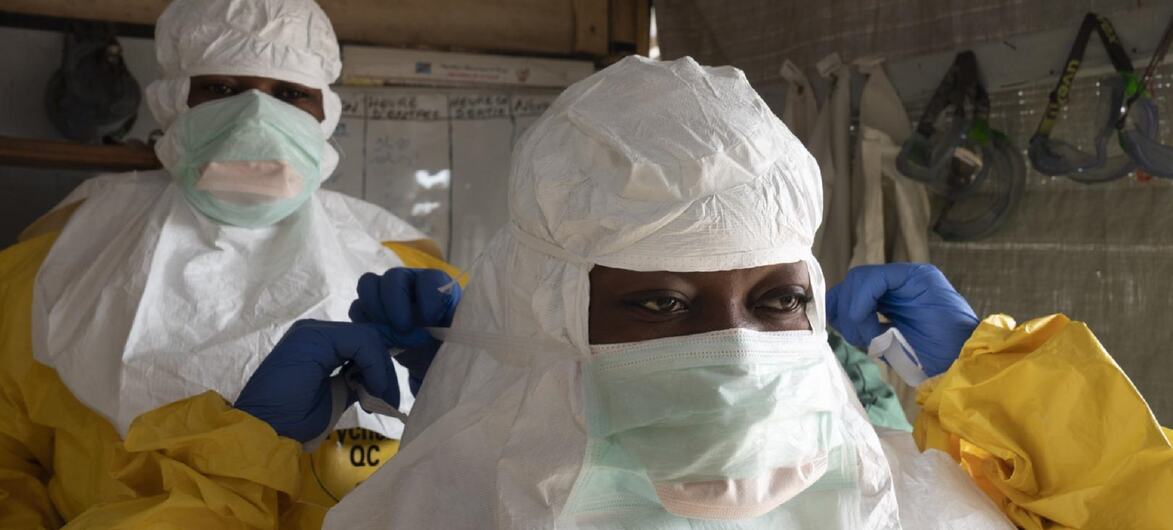
BUKAVU, DRC (NPA) — The World Health Organisation (WHO) has expressed grave concern over the rapid spread of Ebola in the Democratic Republic of Congo (DRC), warning that no vaccine is currently available to tackle the outbreak. Hundreds of suspected cases are being reported daily, with health workers racing to contain transmission.
Authorities confirmed on Tuesday that 26 suspected deaths occurred within 24 hours, bringing fatalities to 131. Official figures show 516 suspected cases and 33 confirmed infections in DRC, alongside two confirmed cases in Uganda.
WHO’s representative in DRC, Dr Anne Ancia, said more than 500 suspected cases have been identified, but only 30 confirmed so far. She explained that the outbreak involves the Bundibugyo strain of Ebola virus, for which no vaccine or therapeutics exist.

“We have significant uncertainty about the number of infections and how far the virus has spread,” she noted.
The outbreak, first detected in Bunia, Ituri province, has now reached North Kivu, with confirmed cases in Butembo and Goma. Uganda has also reported imported cases.
WHO Director‑General Tedros Adhanom Ghebreyesus declared the situation a public health emergency of international concern, citing the “scale and speed” of transmission.
Detection was initially delayed because local tests returned negative results for the Zaire strain of Ebola. Only later did laboratory analysis in Kinshasa confirm the Bundibugyo virus. Symptoms such as fever, fatigue, diarrhoea, and vomiting complicated early diagnosis, with nosebleeds appearing only after several days of infection.
WHO’s technical advisory group is reviewing candidate vaccines, including Ervebo, which targets the Zaire strain. Dr Ancia cautioned that it would take at least two months before any vaccine could be deployed. “It is not two months before the outbreak will be done. Remember the previous one, it took two years,” she warned.
In the meantime, WHO is prioritising community engagement to counter misinformation and promote sanitary practices, particularly around funerals. Dr Ancia stressed that coercive measures could backfire, leading families to hide bodies or patients refusing treatment. Health workers are engaging schools, churches, and community leaders to build trust.
The outbreak is unfolding in a region destabilised by conflict. The UN Refugee Agency (UNHCR) reports that Ituri and North Kivu host more than two million internally displaced people, with limited healthcare capacity. Vulnerable refugee populations — including 11,000 South Sudanese in Ituri and over 2,000 Rwandan and Burundian refugees in Goma — require urgent preventive assistance.
WHO has deployed over 40 health professionals and additional diagnostic supplies to support the government‑led response. Officials stress that the combination of insecurity, displacement, and lack of vaccines makes this outbreak one of the most complex public health emergencies in recent years.

Ghana, UK review bilateral ties ahead of Mahama’s official visit
Nigeria, Ethiopia deepen cooperation on trade and investment

World Bank upgrades Africa growth outlook, says AI could boost jobs and productivity
Uganda vaccinates more than 8.2 million children in Measles-Rubella Campaign
NCDC heightens vigilance after imported Ebola case confirmed in Kenya
Eswatini says three third-country nationals voluntarily return home
NAFDAC DG advocates stronger continental cooperation on food safety
AU Commission Chairperson congratulates Abiy Ahmed on re-election
- Tinubu commissions NRS Headquarters, says new tax reforms will drive prosperity
- Tinubu assures investors of regulatory stability as Ogun, DP World sign $7bn port, SEZ MoUs
- Climate change anxiety is rising — and so is the willingness to act on it
- Ohaukwu LG Chairman Ituma breaks ground for modern diagnostic centre, blood bank
- Baseball boosts TBS, NFL gives ESPN a kick and streamers love ‘Squid’
Community Discussion