

Peter Obi warns Tinubu against more borrowing for consumption as debt servicing hits $11.6bn
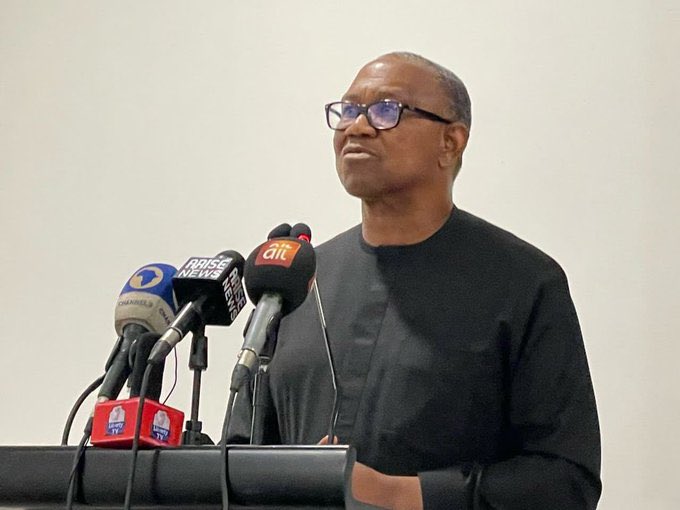
ABUJA, Nigeria (NPA) — Former presidential candidate and chieftain of the Nigeria Democratic Congress (NDC), Peter Obi, has CAUTIONED the administration of President Bola Ahmed Tinubu against what he described as excessive borrowing for consumption rather than productive investment.
Obi issued the warning in a statement released on Monday titled, “Debt Servicing, Borrowing, and Nigeria’s Fiscal Priorities.”
According to him, President Tinubu recently disclosed during a foreign tour that Nigeria would spend approximately $11.6 billion on debt servicing — a figure Obi said should alarm anyone concerned about the country’s economic future and long-term development.
The former Labour Party presidential candidate stated that borrowing in itself was not a problem when guided by prudence and directed toward productive sectors capable of generating sustainable economic returns.
He cited countries such as Japan, the United Kingdom, the United States, the United Arab Emirates, Singapore, and Indonesia as examples of nations with high debt profiles that nonetheless invest borrowed funds in education, healthcare, infrastructure, and innovation.
According to Obi, such investments create measurable productivity and strengthen repayment capacity, making their debt burdens more manageable despite their size.
“Nigeria’s situation, however, is markedly different,” Obi said, arguing that a significant portion of the country’s borrowing had been channelled into consumption with little visible or sustainable developmental impact.
The former Anambra State governor further alleged that a large portion of the debt currently being serviced was accumulated under the Tinubu administration, while fresh borrowing continued at what he described as an aggressive pace.
Obi listed recent external borrowing arrangements to include about $5 billion from First Abu Dhabi Bank in the United Arab Emirates, $1 billion from UK Export Finance through Citibank London, a proposed $1.25 billion World Bank facility, and an additional $516 million arranged through Deutsche Bank.
He said the combined external loan commitments amounted to approximately $7.8 billion, excluding ongoing domestic borrowing through monthly bond issuances.
The opposition figure also expressed concern over what he described as a growing imbalance in Nigeria’s fiscal priorities.
According to him, the proposed 2026 national budget allocated about ₦2.46 trillion to healthcare, ₦2.56 trillion to education, and ₦865 billion to poverty alleviation — a combined total of roughly ₦5.885 trillion.
By comparison, Obi noted that projected debt servicing costs of about $11.6 billion, estimated at between ₦17 trillion and ₦18 trillion depending on exchange rates, would be nearly three times higher than the combined allocation to the three critical sectors.
“This imbalance highlights a troubling fiscal reality in which debt obligations increasingly crowd out investment in human capital and poverty reduction,” he stated.
Obi, who insisted he is pushing for a change in the polity under his “A New Nigeria is Possible” mantra, also warned that even the limited allocations made to social sectors could suffer from poor implementation and possible misappropriation.
He maintained that the core issue was not borrowing itself, but whether borrowed funds were being transformed into measurable productivity, inclusive growth, and improved living standards for Nigerians.
“Without this, debt servicing shifts from being a temporary fiscal obligation to a long-term structural burden that constrains development and deepens economic vulnerability,” Obi added.
2027: Tinubu clearing your mess, Keyamo knocks Atiku Abubakar
Biafra activist Simon Ekpa awaits Finnish Appeal Court ruling on six-year jail term tomorrow
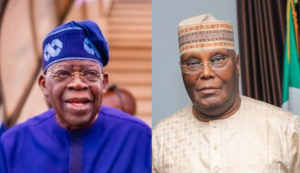
2027: APC slams Atiku over addressing Tinubu by first name, vows to maintain protocol
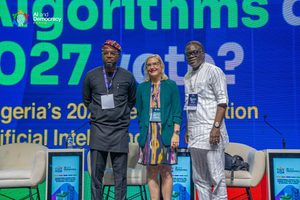
JUST IN: INEC defends AI use ahead of 2027 elections, promises safeguards
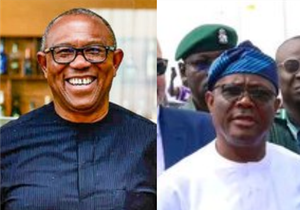
Obidient Movement warns Wike against alleged 2027 election rigging plans
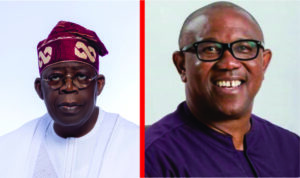
Peter Obi faults Tinubu’s one-month petrol discount, calls policy ‘reactive and confused’

Adelabu did not ask Nigerians to reject APC, media office says viral report is false
NRM presidential candidate Esther Okereke promises grassroots development
- Tinubu commissions NRS Headquarters, says new tax reforms will drive prosperity
- Tinubu assures investors of regulatory stability as Ogun, DP World sign $7bn port, SEZ MoUs
- Climate change anxiety is rising — and so is the willingness to act on it
- Ohaukwu LG Chairman Ituma breaks ground for modern diagnostic centre, blood bank
- Baseball boosts TBS, NFL gives ESPN a kick and streamers love ‘Squid’
Community Discussion