
Corrupt public officials fuel global human trafficking networks, UNODC warns

VIENNA, Austria (NPA) — The United Nations Office on Drugs and Crime (UNODC) has warned that corruption remains a major driver of human trafficking worldwide, enabling criminal networks to recruit, transport and exploit victims while evading justice.
In a new publication titled Hidden Links: ‘Corruption and Human Trafficking’, the UN agency said traffickers often rely on corrupt public officials and private sector actors who accept bribes, collude with criminal groups or deliberately ignore illegal activities.
According to UNODC, the relationship between corruption and trafficking has created what it described as a “hidden alliance” that allows organised crime to flourish while victims remain trapped in exploitation.

The report explained that corruption plays a role at virtually every stage of the trafficking chain, from recruitment and transportation to exploitation and obstruction of justice.
It noted that corrupt officials may issue fraudulent documents, ignore irregularities at border crossings or facilitate the movement of victims across jurisdictions in exchange for financial inducements.
“Without corruption, trafficking networks would struggle to move victims, conceal operations or evade justice,” the publication stated.
UNODC further warned that corruption among law enforcement officials, labour inspectors, prosecutors and other authorities creates an environment where traffickers can operate with little fear of prosecution.
According to the report, some officials falsify inspection outcomes, obstruct investigations or deliberately ignore exploitation taking place in industries considered high-risk for trafficking, including agriculture, construction, fisheries and domestic work.
The agency said survivors of trafficking frequently report encounters with police officers and public officials who fail to protect them or allegedly exploit their vulnerability.
The publication also stressed that corruption linked to human trafficking is not limited to specific countries or institutions.
“It cuts across borders, sectors and institutions,” the report stated, adding that private recruitment agencies, transport operators and employers also contribute to trafficking networks in some cases.
To address the growing challenge, UNODC called for stronger anti-corruption safeguards within public institutions and broader investigations that treat trafficking cases as corruption-related crimes.
The agency also urged governments to strengthen protection mechanisms for victims and whistle-blowers, improve witness protection systems and enhance international cooperation against transnational trafficking networks.
According to UNODC, disrupting financial flows and exposing corrupt officials are critical to dismantling trafficking operations globally.
The organisation said it is supporting countries to strengthen legislation imposing tougher penalties on public officials involved in trafficking, while also training investigators to identify corruption and suspicious financial transactions linked to organised crime.


Biafra activist Simon Ekpa awaits Finnish Appeal Court ruling on six-year jail term tomorrow
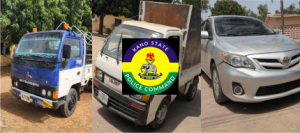
Kano police arrest four suspects, recover three stolen vehicles
Amnesty International condemns police blocking of ‘Tinubu Must Go’ protest in Kano
SERAP sues CBN over alleged unaccounted $6.23m election funds, ₦1.63tn in other public funds

Abia police arrest 40-year-old suspect, recover fake ₦200 notes in Aba

Media Freedom Coalition demands justice 20 years after Anna Politkovskaya’s assassination
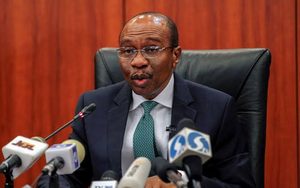
Finance Ministry Unaware of N124.86bn CBN withdrawal, witness tells court in Emefiele trial
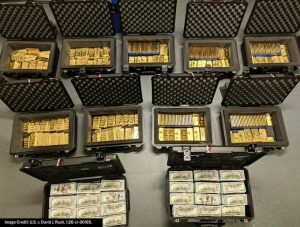
Former US federal employee pleads guilty to $194 million government fraud scheme
- Tinubu commissions NRS Headquarters, says new tax reforms will drive prosperity
- Tinubu assures investors of regulatory stability as Ogun, DP World sign $7bn port, SEZ MoUs
- Climate change anxiety is rising — and so is the willingness to act on it
- Ohaukwu LG Chairman Ituma breaks ground for modern diagnostic centre, blood bank
- Baseball boosts TBS, NFL gives ESPN a kick and streamers love ‘Squid’
Community Discussion