

Tinubu Signs Amendments to Nigeria’s 2022 Electoral Act, Emphasises Need for Continuous Reform
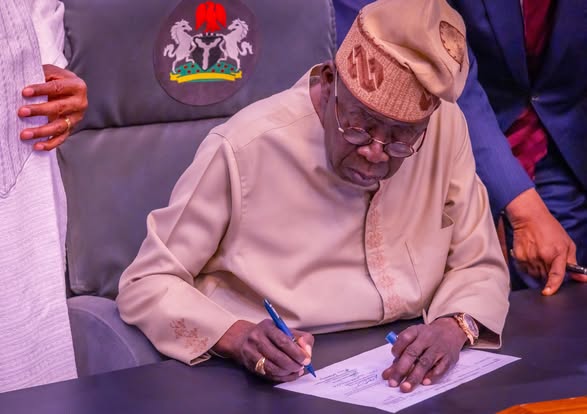
Tinubu Signs Amendments to Nigeria’s 2022 Electoral Act, Emphasises Need for Continuous Reform
ABUJA, NIGERIA (NPA): President Bola Ahmed Tinubu has signed into law amendments to Nigeria’s 2022 Electoral Act, a move that has stirred debate among political parties, civil society groups, and electoral stakeholders. The signing follows weeks of protests by opposition leaders and activists over the contentious issue of compulsory real-time electronic transmission of election results.
In a statement issued Wednesday, President Tinubu stressed that the reforms were aimed at strengthening electoral processes rather than serving political interests. “These amendments are not about politics. They are about process. They are about closing gaps, strengthening procedures, and providing greater clarity to those who conduct and participate in our elections,” he said. He added, “When citizens walk into a polling unit, they must do so with confidence. When results are declared, they must be trusted. That confidence is built deliberately, and not by chance.”

The President commended the National Assembly for what he described as its “cooperation and sense of national responsibility” in concluding the legislative process. He underscored the importance of continuous improvement in Nigeria’s electoral system to ensure that elections remain fair, credible, and reflective of the people’s will.
The amendments, however, remain controversial. Critics argue that provisions on result transmission are vague, leaving room for manipulation. Clause 60 of the bill became a flashpoint in the Senate, with opposition lawmakers insisting that electronic transmission should be mandatory to safeguard credibility. Supporters countered that flexibility was necessary to accommodate rural areas with poor internet connectivity.
Beyond result transmission, civil society groups have raised concerns about gaps in campaign financing regulations, inclusivity measures, and enforcement of electoral offences. They argue that the reforms do not adequately address systemic issues such as election security or the participation of women, youths, persons with disabilities, and internally displaced persons.
The Independent National Electoral Commission (INEC) has also called for clarity in the law, warning that ambiguity could erode public trust. Former INEC officials, including Mike Igini, urged the President not to sign the bill unless it guaranteed electronic transmission, cautioning that vague provisions could weaken transparency. INEC maintains that reforms must enhance electoral integrity rather than introduce loopholes that undermine credibility.

Ghana, UK review bilateral ties ahead of Mahama’s official visit

Nigeria, Ethiopia deepen cooperation on trade and investment

World Bank upgrades Africa growth outlook, says AI could boost jobs and productivity

Uganda vaccinates more than 8.2 million children in Measles-Rubella Campaign

NCDC heightens vigilance after imported Ebola case confirmed in Kenya

Eswatini says three third-country nationals voluntarily return home

NAFDAC DG advocates stronger continental cooperation on food safety
AU Commission Chairperson congratulates Abiy Ahmed on re-election
- Tinubu commissions NRS Headquarters, says new tax reforms will drive prosperity
- Tinubu assures investors of regulatory stability as Ogun, DP World sign $7bn port, SEZ MoUs
- Climate change anxiety is rising — and so is the willingness to act on it
- Ohaukwu LG Chairman Ituma breaks ground for modern diagnostic centre, blood bank
- Baseball boosts TBS, NFL gives ESPN a kick and streamers love ‘Squid’
Community Discussion