

No such thing as ‘Muslim-Muslim Ticket’ advantage, says SDP's Adebayo
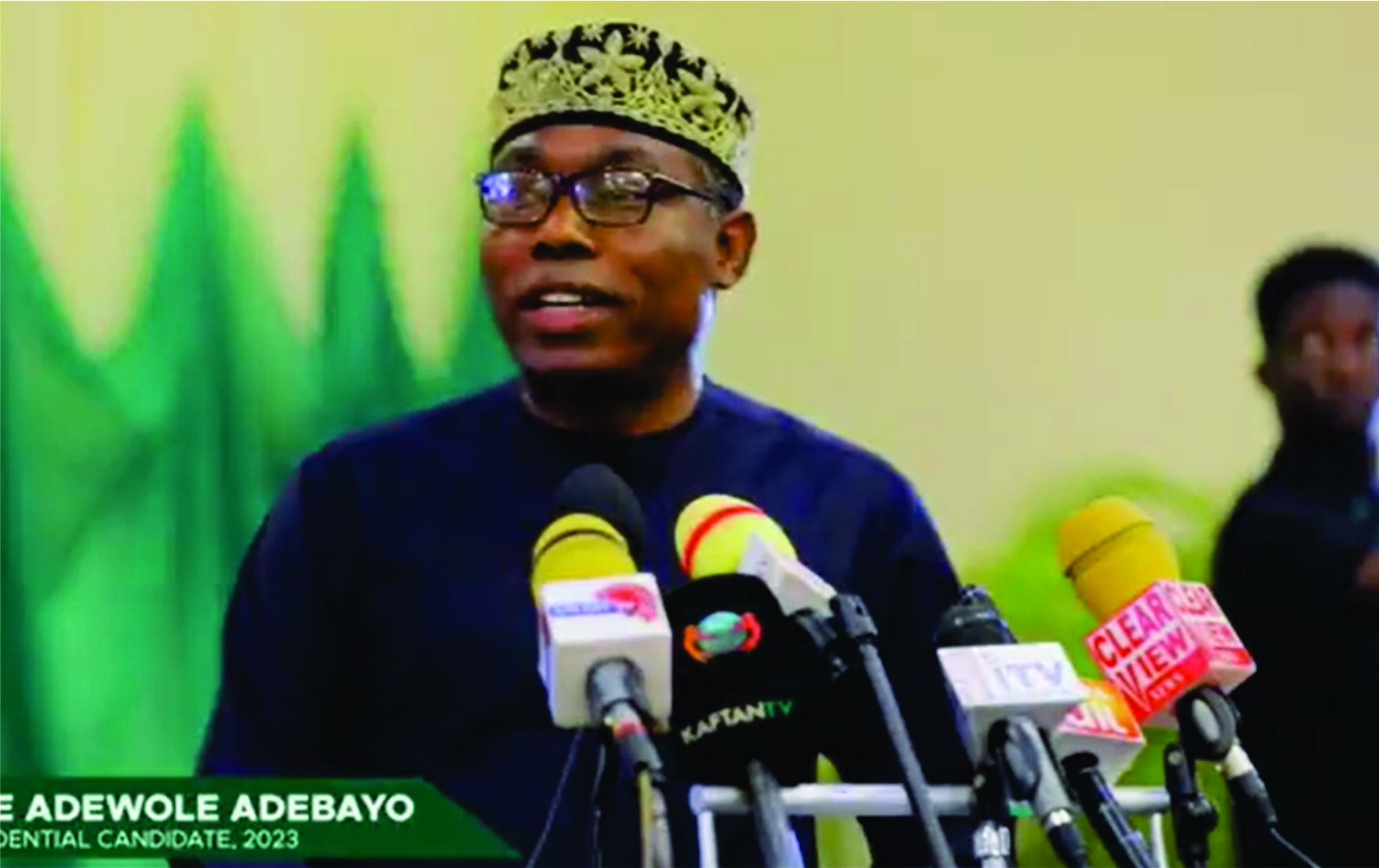
ABUJA, Nigeria (NPA) — Presidential candidate of the Social Democratic Party (SDP), Adewole Adebayo, has dismissed suggestions that a Muslim-Muslim presidential ticket offers any electoral advantage, insisting that competence, justice and good governance remain the issues that matter most to Nigerians.
Adebayo made the remarks during an interview on ARISE Television’s Morning Show on Tuesday, following the All Progressives Congress’ (APC) confirmation of Vice President Kashim Shettima as President Bola Tinubu’s running mate for the 2027 presidential election.
According to the SDP flagbearer, religion should not determine political choices in a country grappling with widespread poverty and economic hardship.
“There is nothing like a Muslim-Muslim ticket,” Adebayo said.
“From the point of view of Muslims in Nigeria, it is a zero Muslim ticket.”
He argued that Islamic teachings emphasise justice and merit rather than religious identity when choosing leaders.
“The main reason Muslims get involved in politics is to pursue justice. If you are a good Muslim, you will not give political office to someone who is not qualified or who is unjust.
“What Muslims and Nigerians are looking for is a righteous leader,” he said.
According to Adebayo, where justice is absent, the religious composition of a presidential ticket becomes irrelevant.
“When you say you are a Muslim-Muslim ticket and there is no justice anyway, it amounts to nothing,” he added.
The SDP presidential candidate also cited the experience of the previous Kaduna State Governor, Nasir El-Rufai, whom he said championed the Muslim-Muslim ticket, and is now allegedly not shielded from alleged persecution by the government.
He maintained that Nigerians are more concerned about leadership quality than religious affiliation.
“There is no support for a Muslim-Muslim ticket anywhere,” he said.
Adebayo further accused the Tinubu administration of failing to uphold the principles of justice and accountability.
According to him, the government has committed what he described as five major “abominations.”
He alleged that the administration had shown contempt for the Constitution, failed to fully implement appropriated budgets, narrowed Nigeria’s democratic space, failed to ensure fairness in public appointments and demonstrated incompetence in governance.
Adebayo also criticised the handling of the Presidential Foreign Intervention Promotion Council (PFIPC), arguing that the controversy surrounding the body reflected incompetence within the government.
The Federal Government has previously distanced itself from the PFIPC, stating that the body lacks official government approval and denying any wrongdoing.
The SDP candidate further accused the administration of failing to uphold transparency and accountability in public affairs.
He alleged that government officials had relied on figures that could not be independently verified, including electoral statistics.
Questioning claims that the APC inherited 12 million votes associated with the late former President Muhammadu Buhari, Adebayo asked: “Where do you get such figures?”
Looking ahead to the 2027 elections, Adebayo outlined what he described as his administration’s priorities if elected president.
He promised to strengthen national security by increasing manpower in the armed forces, fully implement national budgets, create employment opportunities and reduce unemployment to single digits.
He also pledged to promote inclusive governance, ensure fairness in public appointments and expand opportunities for young people in government.
“We are fair and reasonable. No part of Nigeria will feel alienated. No favouritism, no ethnocentrism.
“We will ensure that the democratic space is well open, with greater involvement of young people in government,” he said.
Returning to the debate over religion in politics, Adebayo argued that Nigerians are ultimately united by shared socio-economic challenges.
“History has shown that it is not a major issue in Nigeria.”
“You cannot eliminate religion, but it cannot be the dominant factor in a country reeling in poverty.
“Nigerians have a common problem, irrespective of religion. The key issues are survival and justice,” he said.
2027: Tinubu clearing your mess, Keyamo knocks Atiku Abubakar
Biafra activist Simon Ekpa awaits Finnish Appeal Court ruling on six-year jail term tomorrow
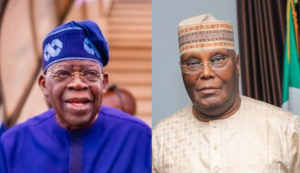
2027: APC slams Atiku over addressing Tinubu by first name, vows to maintain protocol
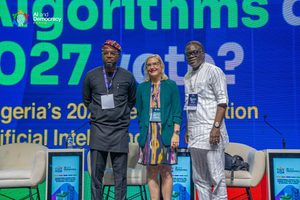
JUST IN: INEC defends AI use ahead of 2027 elections, promises safeguards
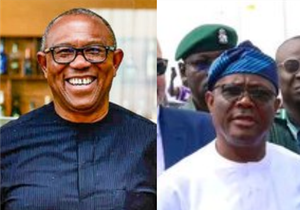
Obidient Movement warns Wike against alleged 2027 election rigging plans
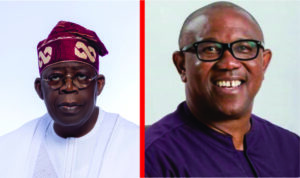
Peter Obi faults Tinubu’s one-month petrol discount, calls policy ‘reactive and confused’

Adelabu did not ask Nigerians to reject APC, media office says viral report is false
NRM presidential candidate Esther Okereke promises grassroots development
- Tinubu commissions NRS Headquarters, says new tax reforms will drive prosperity
- Tinubu assures investors of regulatory stability as Ogun, DP World sign $7bn port, SEZ MoUs
- Climate change anxiety is rising — and so is the willingness to act on it
- Ohaukwu LG Chairman Ituma breaks ground for modern diagnostic centre, blood bank
- Baseball boosts TBS, NFL gives ESPN a kick and streamers love ‘Squid’
Community Discussion