

Nigeria court hands down death sentences in Owo church attack case
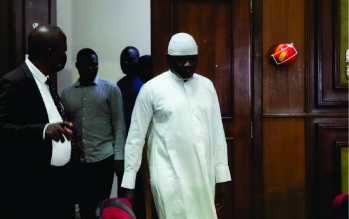
LAGOS, Nigeria (NPA) — A Nigerian court has sentenced four men to death by hanging for their roles in the 2022 massacre at St. Francis Catholic Church in Owo, Ondo State, where dozens of worshippers were killed. The ruling, delivered by Justice Emeka Nwite, is being viewed as a critical test of Nigeria’s judicial capacity to prosecute terrorism cases amid ongoing insurgencies and widespread insecurity.
The defendants — Idris Abdulmalik Omeiza, Al Qasim Idris, Jamiu Abdulmalik, and Abdulhaleem Idris — were convicted on a nine‑count charge that included terrorism financing, hostage‑taking, kidnapping, and the detonation of explosives. A fifth accused was acquitted due to insufficient evidence, while the four convicted men had pleaded not guilty at the start of the trial.
The Owo assault remains one of the deadliest attacks on a place of worship in Nigeria’s recent history, underscoring the vulnerability of civilian spaces to extremist violence. In addition to the death sentences, the convicts received symbolic punishments: life imprisonment for membership in a terrorist organisation and 20 years each for conspiracy.
Court filings revealed that the men allegedly joined the East African militant group al‑Shabaab in 2021 and plotted further attacks, including targeting a public school in central Nigeria and a mosque community near Owo. Although al‑Shabaab did not claim responsibility for the church attack, its alleged involvement raises questions about cross‑border militant networks operating in Nigeria.
Authorities initially suspected Islamic State West Africa Province (ISWAP), which, alongside Boko Haram, has waged a prolonged insurgency in the northeast. Neither group claimed responsibility, leaving uncertainty about the true masterminds. The verdict nonetheless signals Nigeria’s determination to impose severe penalties on terrorism‑related crimes and may serve as a precedent for future prosecutions.
Analysts note that while the ruling demonstrates judicial resolve, it also highlights the urgent need for stronger intelligence, preventive security measures, and regional cooperation to stem extremist violence. For many Nigerians, the judgment offers a measure of justice for the victims of Owo, even as the broader fight against terrorism continues.

Biafra activist Simon Ekpa awaits Finnish Appeal Court ruling on six-year jail term tomorrow

Kano police arrest four suspects, recover three stolen vehicles

Amnesty International condemns police blocking of ‘Tinubu Must Go’ protest in Kano

SERAP sues CBN over alleged unaccounted $6.23m election funds, ₦1.63tn in other public funds

Abia police arrest 40-year-old suspect, recover fake ₦200 notes in Aba

Media Freedom Coalition demands justice 20 years after Anna Politkovskaya’s assassination

Finance Ministry Unaware of N124.86bn CBN withdrawal, witness tells court in Emefiele trial
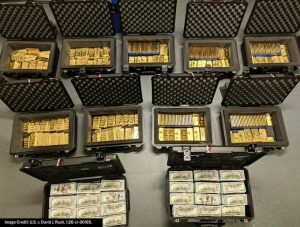
Former US federal employee pleads guilty to $194 million government fraud scheme
- Tinubu commissions NRS Headquarters, says new tax reforms will drive prosperity
- Tinubu assures investors of regulatory stability as Ogun, DP World sign $7bn port, SEZ MoUs
- Climate change anxiety is rising — and so is the willingness to act on it
- Ohaukwu LG Chairman Ituma breaks ground for modern diagnostic centre, blood bank
- Baseball boosts TBS, NFL gives ESPN a kick and streamers love ‘Squid’
Community Discussion