

NAFDAC intensifies enforcement of ban on sachet, sub-200ml pet alcoholic beverages
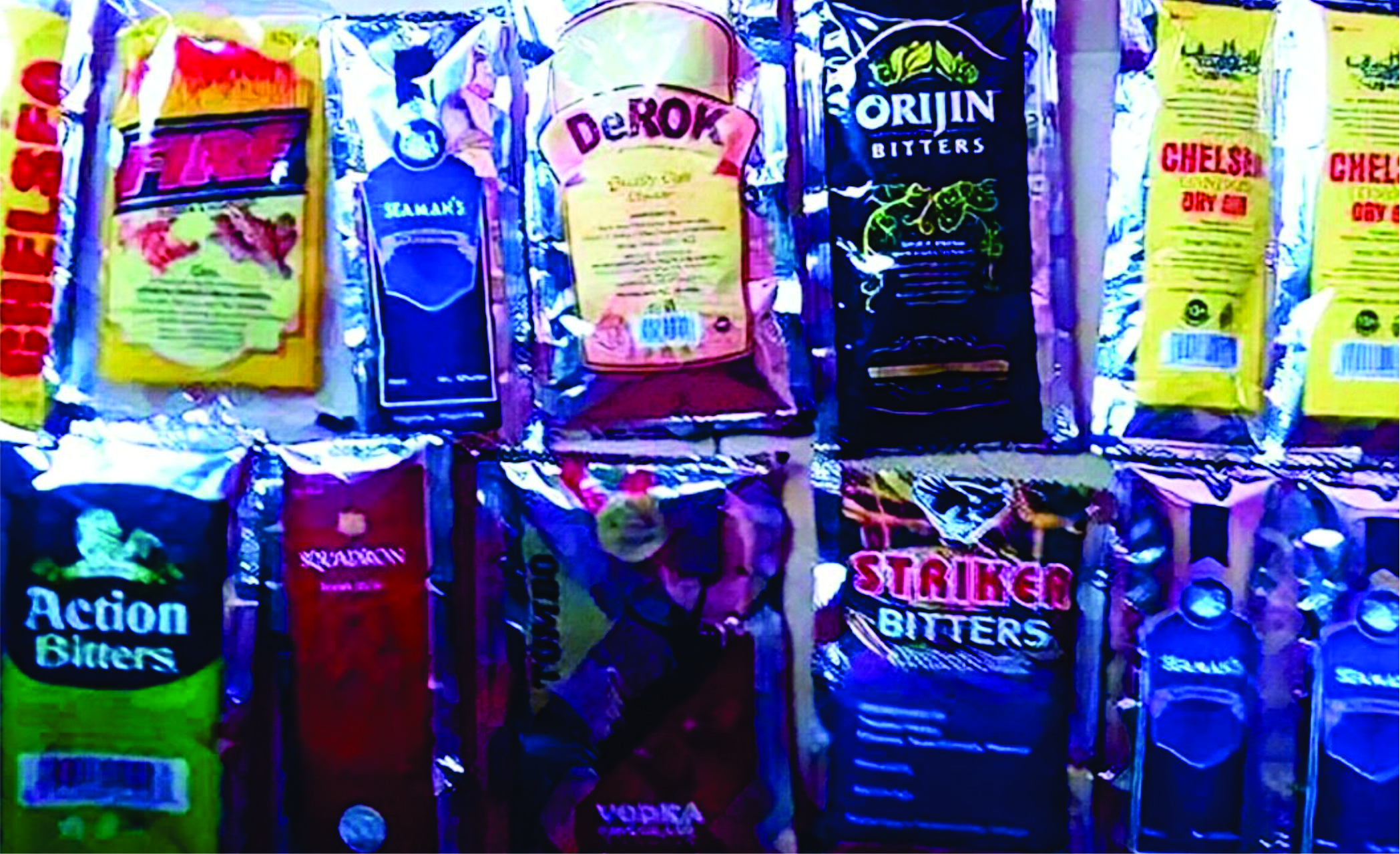
ABUJA, Nigeria (NPA) — The National Agency for Food and Drug Administration and Control (NAFDAC) has commenced full enforcement of the Federal Government’s prohibition of alcoholic beverages packaged in sachets and PET/plastic bottles below 200ml.
According to a statement personally signed by NAFDAC Director-General/CEO, Prof. Mojisola Adeyeye, on August 24, 2026, the enforcement followed extensive consultations with government agencies and industry stakeholders, including the Distillers and Blenders Association of Nigeria (DIBAN) and the Food, Beverage and Tobacco Employers (AFBTE).
The agency said concerns over the accessibility of high-alcohol-content beverages in small and inexpensive packaging were first raised in 2018, after which manufacturers were given a five-year moratorium to transition to larger pack sizes.

The compliance deadline was subsequently extended to December 31, 2025, with full enforcement scheduled to commence on January 1, 2026.
Under the enforcement measures, manufacturers and other affected stakeholders are required to recall prohibited products, submit compliance reports and dismantle or reconfigure production lines used for the affected products.
NAFDAC said non-compliant operators could face sanctions, including closure of facilities or placement on the agency’s Regulatory Watchlist.
The agency said the enforcement was primarily a public health measure aimed at reducing the accessibility of high-alcohol-content products to children and young people.
According to NAFDAC, sachet and small PET alcoholic beverages are inexpensive, portable and easily concealed, factors which can make them more accessible to underage drinkers.
The agency also raised concerns over the alcohol concentration of some sachet spirits, noting that some products contain alcohol levels of up to 43 per cent, significantly higher than the levels typically found in beer.
NAFDAC linked the availability and consumption of high-strength alcoholic products to broader social and health concerns, including alcohol dependence, road accidents, domestic violence and school-related problems.
The agency also argued that warning labels stating that alcoholic beverages are “not for children” had not been sufficient to prevent underage access and consumption.
NAFDAC said the policy was also consistent with Nigeria’s commitment to international efforts aimed at reducing the harmful use of alcohol, including the WHO Global Strategy to Reduce the Harmful Use of Alcohol.
However, the ban has generated significant concern within the manufacturing sector, with industry stakeholders warning of potential economic losses, factory closures and job cuts.
The Manufacturers Association of Nigeria (MAN) and the Nigeria Employers’ Consultative Association (NECA) have been cited as estimating potential losses across the value chain in the region of ₦400 billion to ₦1.9 trillion.
Industry estimates also suggest that as many as 500,000 direct jobs and five million indirect jobs could be affected, including employment in manufacturing, logistics and agricultural supply chains.
Manufacturers have also raised concerns over the financial implications of recalling and destroying affected products, as well as the cost of dismantling or reconfiguring production lines.
Some industry stakeholders have argued that the ban could negatively affect investments made in the sector and reduce manufacturing capacity.
They have further expressed concerns that restrictions could push consumers towards informal or unregulated markets, potentially increasing the circulation of illicit or smuggled alcoholic products.
Despite the concerns, NAFDAC maintains that the policy is driven by public health considerations and is intended to protect children and young people from early exposure to high-concentration alcohol.
Industry stakeholders, however, have argued that sachet alcohol is also consumed by adults, particularly in low-income communities, and that an outright ban may not, on its own, eliminate underage drinking.
Some have instead proposed alternative measures, including stricter age verification at points of sale, tighter regulation of retailers and expanded public education campaigns.
The enforcement therefore places the Federal Government’s public health objectives alongside concerns from manufacturers over investment, employment and the potential economic consequences of withdrawing the affected products from the market.
NAFDAC’s latest directive signals that the transition period has ended and that manufacturers are now expected to fully comply with the prohibition on sachet and sub-200ml PET alcoholic beverages.

Peter Obi faults Tinubu’s one-month petrol discount, calls policy ‘reactive and confused’

JUST IN: Tinubu says World Bank report shows Nigeria’s economic reforms are working

JUST IN: Tinubu responds to commuters, highlights efforts to reduce transport costs

Fitch revises Nigeria’s credit outlook to positive, affirms ‘B’ rating

World Bank upgrades Africa growth outlook, says AI could boost jobs and productivity

Ardova takes Customer Service Week campaign to B2B customers

Etihad Airways, Ibom Air sign interline agreement connecting Nigeria to global network
JUST IN: NRS warns public against fraudulent recruitment notice
- Tinubu commissions NRS Headquarters, says new tax reforms will drive prosperity
- Tinubu assures investors of regulatory stability as Ogun, DP World sign $7bn port, SEZ MoUs
- Climate change anxiety is rising — and so is the willingness to act on it
- Ohaukwu LG Chairman Ituma breaks ground for modern diagnostic centre, blood bank
- Baseball boosts TBS, NFL gives ESPN a kick and streamers love ‘Squid’
Community Discussion