

Finance Ministry denies revenue diversion, faults misreading of world bank report
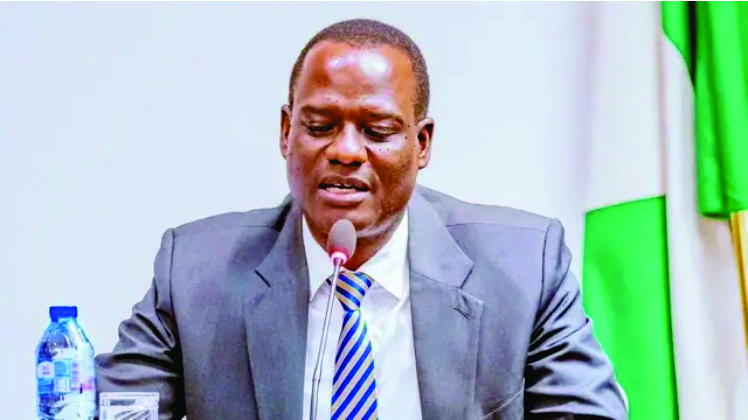
ABUJA, Nigeria (NPA) — The Federal Ministry of Finance has denied claims of hidden spending and diversion of federation revenue, describing recent reports based on a World Bank publication as a misrepresentation of facts.
In a statement signed by the Minister of State for Finance, Taiwo Oyedele, on April 19, 2026, the ministry said media reports and commentaries alleging “huge leakages” in Nigeria’s revenue misunderstood the findings of the latest Nigeria Development Update by the World Bank.
The ministry said claims suggesting that a significant portion of federation earnings is being diverted or classified as “hidden spending” reflect a poor understanding of the country’s fiscal system.

It clarified that deductions by the Federation Account Allocation Committee (FAAC), which were cited in the report, do not constitute waste or missing funds.
According to the ministry, such deductions include statutory transfers, savings and investments, security-related expenditures, cost-of-collection charges, refunds to Ministries, Departments and Agencies (MDAs), as well as transfers and interventions benefiting subnational governments.
It stressed that refunds and transfers to states and other tiers of government are legitimate fiscal transactions, including repayments of obligations and allocations backed by law.
The ministry also faulted what it described as the selective use of outdated data in some commentaries, noting that recent reforms highlighted in the World Bank report were largely ignored.
It said the World Bank acknowledged that reforms introduced in early 2026, including an executive order to safeguard the remittance of petroleum revenues, are already addressing concerns around deductions.
The reforms, it added, are expected to improve transparency and increase revenues available to all tiers of government by about 0.4 per cent of Gross Domestic Product annually.
Highlighting the broader findings of the report, the ministry said Nigeria’s economic outlook remains positive, with growth becoming more broad-based across sectors.
It noted that inflation, though still high, is on a downward trend due to policy measures, while the country’s external position has strengthened with improved reserves and a current account surplus.
The ministry added that debt indicators have also improved, including a decline in the debt-to-GDP ratio for the first time in over a decade.
According to the statement, the World Bank did not conclude that Nigeria’s fiscal system is collapsing but rather emphasised that ongoing reforms are yielding results and should be sustained.
The ministry reaffirmed the Federal Government’s commitment to strengthening fiscal transparency, improving revenue mobilisation and ensuring efficient public spending.
It also urged stakeholders, media organisations and the public to engage responsibly with fiscal information to avoid misinterpretations that could undermine confidence in the country’s economic reforms.

Delta Police arrest six suspected cultists, recover four firearms, six cartridges

2027: APC chieftain Ikechukwu Oloto murdered in Enugu

BREAKING: SERAP urges UN intervention over deaths in NSCDC custody, Minna protests
IGP Disu visits Niger over deaths of 37 miners in NSCDC custody, pledges thorough investigation

Amnesty International demands justice over alleged extrajudicial #EndSARS killing of journalist Pelumi Onifade

Benue Police host political parties, candidates, stakeholders for peace accord

Tinubu orders investigation into deaths of 37 suspected illegal miners in Niger
EFCC-charges-Nigerian-youths-to-make-integrity-their-guiding-principle
- Tinubu commissions NRS Headquarters, says new tax reforms will drive prosperity
- Akwa Ibom governor approves appointment letters for 4,000 civil service recruits
- Climate change anxiety is rising — and so is the willingness to act on it
- Golden Globes want to make a comeback this year. Hollywood isn’t buying
- Baseball boosts TBS, NFL gives ESPN a kick and streamers love ‘Squid’
Community Discussion