Category: Politics

  • IMF Report: 63% of Nigerians Poor, 27 million food-insecure despite reform gains

    IMF Report: 63% of Nigerians Poor, 27 million food-insecure despite reform gains

    LAGOS, Nigeria (NPA) — The International Monetary Fund (IMF) has commended Nigeria’s economic reforms under President Bola Ahmed Tinubu, saying the measures have strengthened macroeconomic stability, improved resilience and boosted investor confidence, even as poverty and food insecurity continue to worsen across the country.

    In its 2026 Article IV Consultation Report released on Tuesday, the IMF said reforms implemented over the past three years, including the removal of fuel subsidies, exchange rate liberalisation, tighter monetary policy and the end of deficit monetisation, have helped rebuild external buffers, improve foreign exchange market functioning and restore confidence in the economy.

    However, the Fund warned that millions of Nigerians continue to face severe economic hardship despite the gains recorded at the macroeconomic level.

    According to the report, poverty has risen to 63 per cent of the population, while an estimated 27 million Nigerians experienced food insecurity in late 2025.

    “Strong reforms over the past three years have yielded improved macroeconomic outcomes and built resilience. Still, conditions for many Nigerians remain difficult,” the IMF stated.

    The Fund projected Nigeria’s economy to grow by 4.1 per cent in 2026, slightly above the estimated 4.0 per cent growth recorded in 2025, driven largely by services, agriculture, real estate, information and communications technology, as well as improvements in oil and gas production.

    Nigeria’s crude oil production is expected to rise from 1.64 million barrels per day in 2025 to 1.71 million barrels per day in 2026.

    The IMF noted that inflation, which had been on a steady downward trajectory for more than a year, rose slightly to 15.4 per cent in March 2026 following increases in global fuel and food prices linked to geopolitical tensions in the Middle East.

    Although inflationary pressures remain a concern, the Fund expects the disinflation trend to resume in the second half of the year, provided monetary policy remains tight.

    The report also highlighted significant improvements in Nigeria’s external position.

    Gross international reserves increased from $40 billion at the end of 2024 to $46 billion in 2025, while net international reserves rose from $23 billion to $35 billion during the same period.

    The current account surplus stood at 4.8 per cent of Gross Domestic Product (GDP) in 2025, supported by stronger oil and gas exports and reduced dependence on imported refined petroleum products.

    The IMF said the growing output of domestic refineries has significantly reduced fuel import requirements, strengthening the country’s external accounts.

    On fiscal management, the Fund expressed concern over rising deficits and debt servicing costs.

    Nigeria’s consolidated fiscal deficit increased to 4.4 per cent of GDP in 2025, up from 2.4 per cent in 2024, while interest payments consumed 53 per cent of Federal Government revenues, compared to 41 per cent a year earlier.

    The IMF noted that while non-oil revenues met targets, oil revenues fell below expectations, forcing the government to rely on a combination of external borrowing, domestic securities and Eurobond issuances to finance spending.

    The Fund called for a neutral fiscal stance in 2026, urging authorities to prioritise social spending and programmes targeted at vulnerable households while maintaining macroeconomic stability.

    It also recommended accelerated reforms in public financial management, fiscal reporting, transparency and accountability.

    The IMF welcomed recent tax reforms but indicated that additional measures may be required in the medium term to strengthen revenue generation and create fiscal space for development spending.

    Among the options identified were improved tax administration, broader tax compliance and further reforms aimed at reducing leakages in government revenue collection.

    The Fund further praised the Central Bank of Nigeria (CBN) for maintaining a tight monetary policy stance that has helped curb inflation and stabilise the naira.

    It encouraged the apex bank to continue pursuing data-driven monetary policy decisions while advancing its transition towards an inflation-targeting framework.

    On the foreign exchange market, the IMF endorsed Nigeria’s flexible exchange rate regime, describing it as beneficial to the economy.

    The report also noted that Nigeria had strengthened its international standing after being removed from the Financial Action Task Force (FATF) grey list in 2025 and the European Union’s anti-money laundering watch list in early 2026.

    The IMF, however, warned that major risks remain.

    These include rising global commodity prices, deteriorating domestic security conditions, climate-related shocks, election-related spending pressures ahead of the 2027 general elections and potential disruptions in international financial markets.

    The Fund stressed that insecurity continues to affect agriculture, investment and oil production, while poverty and food insecurity could worsen if global fuel and food prices remain elevated.

    It urged the government to scale up social protection programmes, including cash transfers to vulnerable households, while accelerating reforms in electricity, infrastructure, agriculture, education and human capital development.

    The IMF also called for stronger governance reforms and improvements in macroeconomic statistics to support effective policy formulation and implementation.

    Despite the challenges, the Fund said Nigeria’s reform efforts have laid a stronger foundation for economic stability and future growth, provided policymakers sustain the current reform momentum and address the country’s deep-rooted structural challenges.
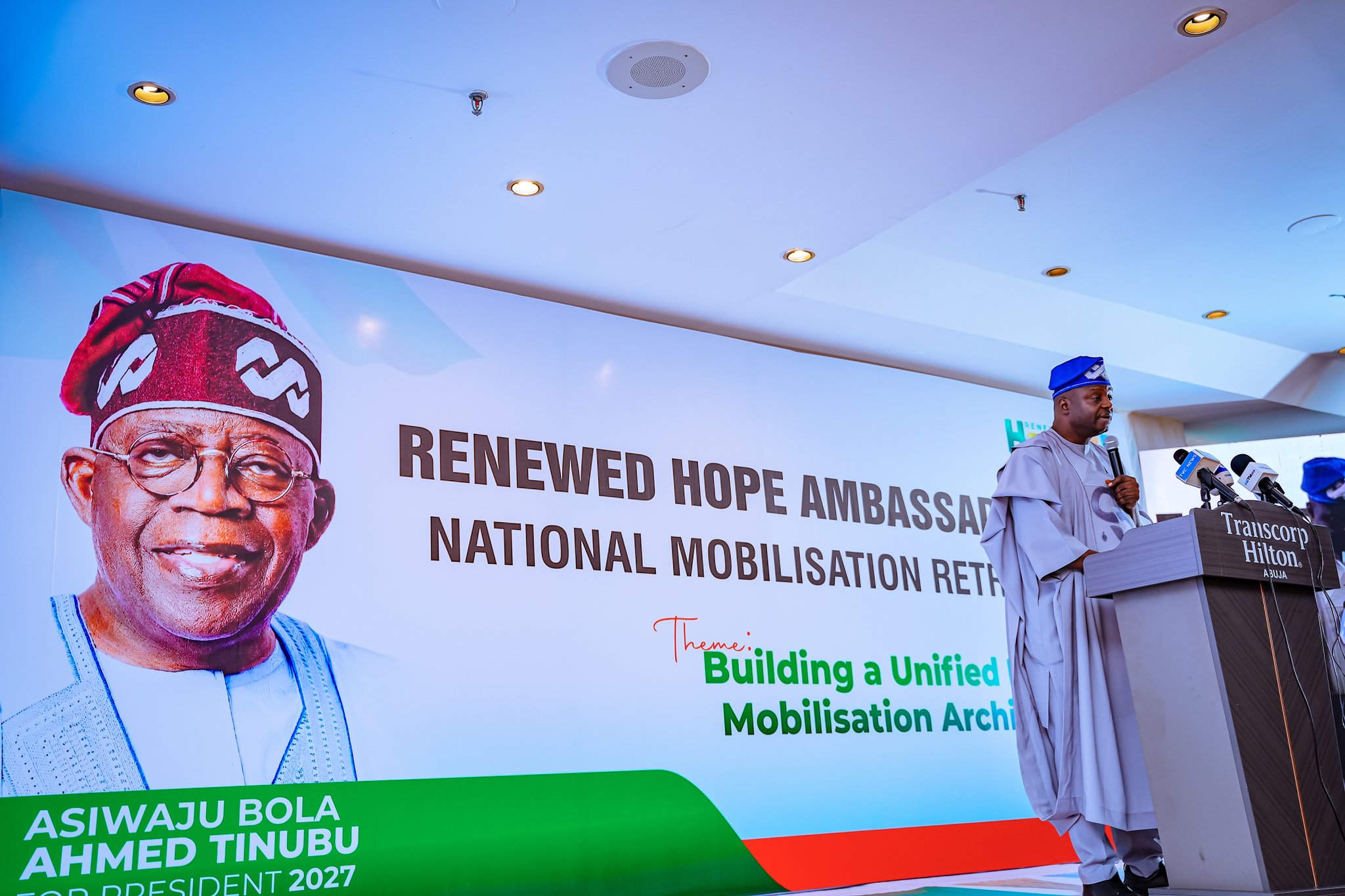

  • APC Chairman Yilwatda charges Renewed Hope Ambassadors to drive public engagement

    APC Chairman Yilwatda charges Renewed Hope Ambassadors to drive public engagement

    ABUJA, Nigeria (NPA) — National Chairman of the All Progressives Congress (APC), Prof. Nentawe Goshwe Yilwatda, has called on members of the Renewed Hope Ambassadors to serve as effective links between the government and citizens in advancing President Bola Ahmed Tinubu’s Renewed Hope Agenda.

    Yilwatda made the call while attending and officially launching the Renewed Hope Ambassadors National Mobilisation Retreat.

    According to the ruling party’s chairman, the ambassadors have a critical role to play in promoting government policies, strengthening public confidence, and encouraging greater citizen participation in national development.

    He urged them to move beyond advocacy and focus on meaningful engagement with communities across the country.

    “As ambassadors, your responsibility goes beyond advocacy; it is about engaging citizens, sharing accurate information, inspiring confidence, and mobilising support for the transformational policies and programmes being implemented across our nation,” he said.

    Yilwatda noted that the success of the Renewed Hope Agenda depends on effective communication between the government and the people, as well as sustained public participation in the nation’s development efforts.

    He stressed that Nigeria’s aspiration to build a one-trillion-dollar economy would require collective commitment, shared responsibility, and active involvement from citizens across all sectors.

    “Nigeria’s journey towards a $1 trillion economy requires collective effort, commitment, and active participation from every citizen,” he said.

    The APC chairman encouraged the ambassadors to remain focused, people-centred, and committed to promoting the values of service, unity, patriotism, and national development.

    He said their activities should contribute to strengthening trust in governance and improving public understanding of government programmes and reforms.

    According to him, sustained engagement between government and citizens remains essential for achieving inclusive growth and national prosperity.

    Yilwatda expressed confidence that the Renewed Hope Ambassadors initiative would help deepen grassroots mobilisation and support the implementation of policies designed to improve the welfare of Nigerians.

    “Together, we can deepen public engagement, strengthen trust in governance, and advance the Renewed Hope Agenda for a more prosperous and inclusive Nigeria,” he added.

    The Renewed Hope Ambassadors programme is designed to mobilise public support for the Tinubu administration’s policies and development initiatives across the country.

  • NDC appoints Agada Theophilus, Brian Dennis to lead new media, strategic communications

    NDC appoints Agada Theophilus, Brian Dennis to lead new media, strategic communications

    ABUJA, Nigeria (NPA) — The Nigeria Democratic Congress (NDC) has approved the appointments of Agada Abuh Theophilus as Director of New Media and Strategic Communications and Brian Dennis as Deputy Director of New Media and Strategic Communications.

    The appointments form part of the party’s efforts to strengthen its communications architecture and deepen engagement with Nigerians across traditional and digital platforms.

    In a statement issued by the National Publicity Secretary of the party, Osa Director, the NDC described both appointees as experienced communications professionals with strong backgrounds in strategic messaging, political communications, public relations, and media engagement.

    According to the statement, Theophilus brings extensive experience spanning political campaigns, corporate brand management, institutional public relations, and new media strategy.

    He is an Associate of the Nigerian Institute of Public Relations (NIPR) and holds a Master of Arts degree in Development Communications, with a specialisation in strategic communication for social and institutional development.

    The party also noted that he is currently pursuing a doctoral degree, with research interests focused on election administration and management.

    His appointment is expected to strengthen the party’s strategic communication efforts and expand its digital outreach.

    The NDC also announced the appointment of Brian Dennis as Deputy Director of New Media and Strategic Communications.

    Dennis is a communications analyst with seven years of experience in strategic and political communications.

    He holds a Master’s degree in Peace and Conflict Resolution and has worked in various capacities involving public engagement, political communication, and media analysis.

    The party expressed confidence that both appointments would enhance its ability to communicate its policies, programmes, and political vision to Nigerians.

    “The party is excited to welcome both appointees and looks forward to the energy, expertise, and fresh perspectives they bring to its communications efforts,” the statement said.

    The NDC added that the appointments reflect its commitment to building a robust communication structure capable of engaging citizens effectively and strengthening the party’s presence across multiple media platforms.

    According to the party, the new communications team will play a critical role in amplifying its message, expanding public engagement, and supporting its broader political objectives ahead of future electoral contests.

    The NDC expressed optimism that the leadership of Theophilus and Dennis would further strengthen the party’s voice and deepen its connection with Nigerians nationwide.

  • Peter Obi questions rising debt amid claims of increased government revenue

    Peter Obi questions rising debt amid claims of increased government revenue

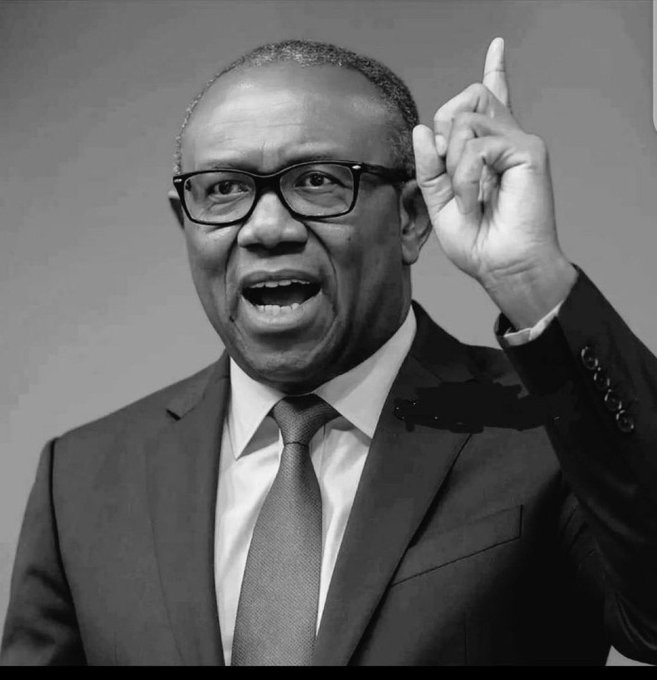
    ABUJA, Nigeria (NPA) — Presidential candidate of the Nigeria Democratic Congress (NDC), Mr Peter Obi, has criticised the Federal Government’s growing debt profile, arguing that increased revenue generation should have reduced the country’s dependence on borrowing.

    Obi made the remarks in a statement personally signed on Wednesday and titled, “Exponential Increase in Revenue with Excessive Borrowing: Yet More Hardship for Nigerians!”

    The former Anambra State governor was reacting to recent claims by President Bola Ahmed Tinubu that government revenue increased from N16.8 trillion in 2022 to N35 trillion in 2025, representing a rise of more than 100 per cent.

    According to Obi, the significant increase in revenue should ordinarily have translated into reduced borrowing and improved living conditions for Nigerians.

    Instead, he argued, the country’s debt burden has continued to rise at an alarming rate.

    “Shockingly, while Nigerians expected a reduction in borrowing with the exponential increase in revenue, the opposite is the case,” Obi said.

    He alleged that the Tinubu administration has relied heavily on borrowing over the past three years, claiming that Nigeria’s total public debt has risen to about N200 trillion.

    According to him, the increase represents an additional debt burden of more than N100 trillion within the period under review.

    Obi further argued that, beyond increased revenue, Nigeria has also benefited from favourable global and regional economic developments that boosted government earnings beyond budget projections.

    He, however, expressed concern that the additional revenue and borrowing have not translated into measurable improvements in the welfare of citizens.

    “Alarmingly, even with the astronomical increase in both revenue and debt, almost all key socio-economic and governance indicators are worse than in 2023,” he stated.

    The opposition figure claimed that multidimensional poverty has increased significantly in recent years, while unemployment and other economic challenges have continued to worsen.

    He also pointed to a decline in Nigeria’s Gross Domestic Product (GDP) per capita, arguing that the country’s economic performance has not reflected the scale of resources reportedly available to the government.

    According to Obi, many Nigerians are struggling with worsening living conditions despite official reports of higher revenues and increased government spending.

    “Just more and more hardship for Nigerians,” he said.

    The former presidential candidate questioned how the additional revenues and borrowings had been utilised and called for greater transparency in the management of public finances.

    “The question Nigerians and even the international community are asking is: ‘Where did all the money go?’” Obi stated.

    He urged the Federal Government to provide a comprehensive explanation of the country’s financial position and account for revenues generated since 2023.

    Obi also called for what he described as prudent, transparent, and accountable management of public resources, insisting that Nigerians deserve to know how government funds have been spent.

    The NDC presidential candidate maintained that addressing the country’s economic challenges would require greater fiscal discipline and policies focused on productivity, accountability, and sustainable development.

    He reiterated his campaign message that a more productive and prosperous Nigeria remains achievable through responsible governance and effective economic management.

  • Adeleke condemns alleged APC-linked political attacks in Osun, seeks Tinubu’s intervention

    Adeleke condemns alleged APC-linked political attacks in Osun, seeks Tinubu’s intervention

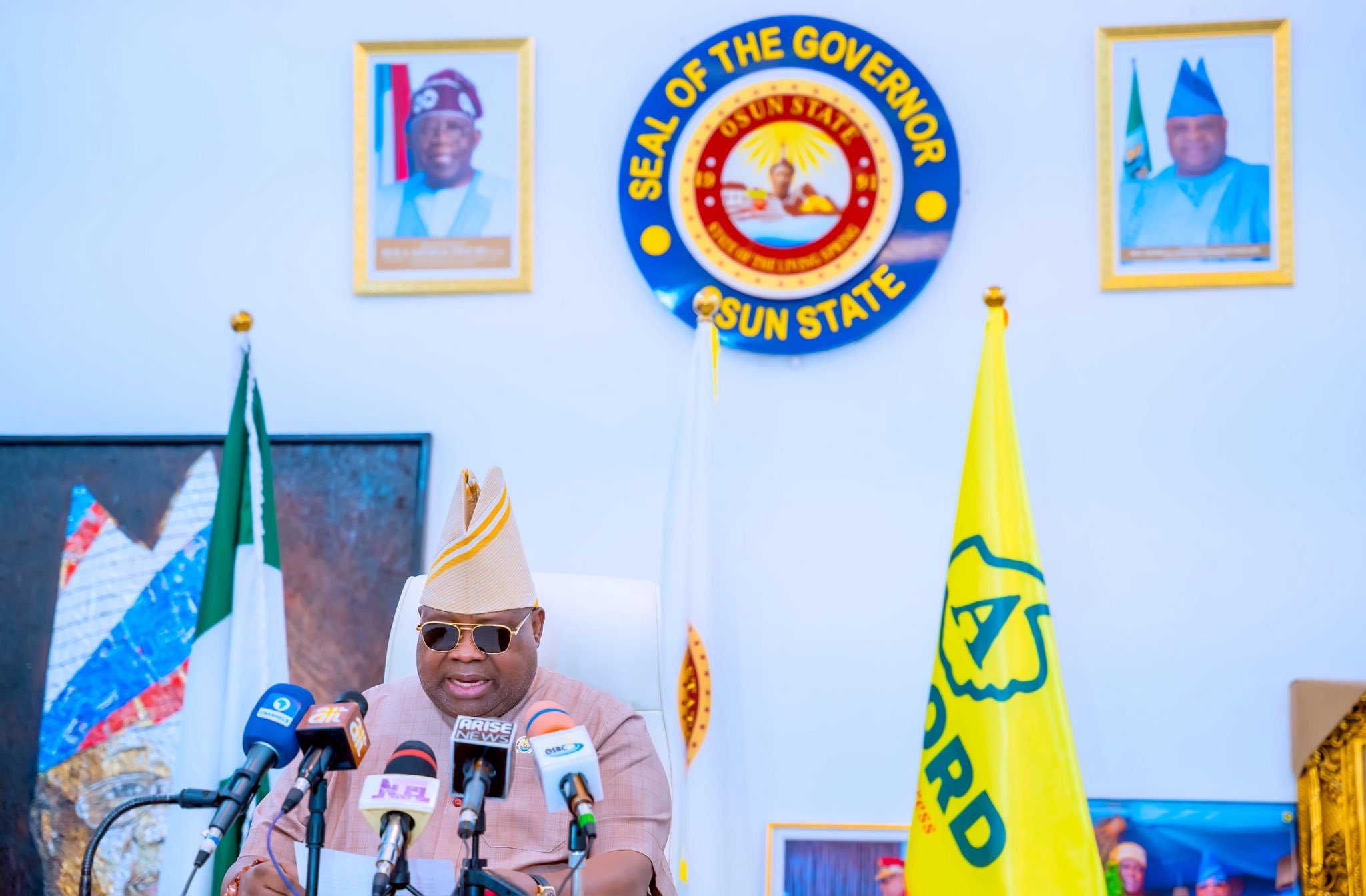
    OSOGBO, Nigeria (NPA) — Osun State Governor, Ademola Adeleke, has condemned what he described as coordinated attacks allegedly carried out by political thugs linked to the All Progressives Congress (APC) in several parts of the state.

    The governor alleged that the attacks occurred in Ile-Ife, Ede, Osogbo and other communities on Tuesday, resulting in injuries and heightened political tensions ahead of the state’s governorship election.

    In a statement personally signed and issued on Tuesday, Adeleke called on President Bola Ahmed Tinubu, the National Security Adviser, Nuhu Ribadu, the Inspector-General of Police, Kayode Egbetokun, the Director-General of the Department of State Services (DSS), and other security agencies to urgently intervene.

    He also urged key figures in the APC, including former Governor Gboyega Oyetola and governorship aspirant Bola Oyebamiji, to prevail on their supporters and prevent further escalation of tensions in the state.

    According to the governor, failure to address the situation could threaten the peace and stability of Osun State.

    Adeleke said he personally visited some of the affected locations and hospitals following reports of the attacks.

    “After receiving reports of the attacks, I personally visited affected areas and met victims receiving treatment at the Osun State Teaching Hospital, Osogbo, and the Cottage Hospital, Ede. I also paid a solidarity visit to the Osogbo Accord Chairman who survived a gunshot attack last week,” he said.

    The governor expressed sympathy to the victims and their families, assuring them that his administration would provide the necessary support.

    He disclosed that security agencies had been directed to conduct thorough investigations into the incidents and ensure that those responsible are brought to justice, regardless of their political affiliation or social status.

    Adeleke stressed that political disagreements should not degenerate into violence, intimidation, or attacks on citizens exercising their democratic rights.

    “Political differences must never degenerate into violence, intimidation, or attacks on citizens exercising their constitutional rights. Democracy thrives on dialogue, tolerance and respect for the rule of law,” he stated.

    The governor also appealed to residents to remain peaceful, law-abiding and avoid actions that could further inflame tensions.

    He disclosed that additional security measures were being deployed to vulnerable locations across the state as part of efforts to maintain law and order.

    Adeleke reaffirmed his administration’s commitment to protecting lives and property and preserving the peace for which Osun State is known.

    He concluded by praying for the speedy recovery of those injured in the incidents and called for collective efforts to sustain peace and stability across the state.

    As of the time of filing this report, the APC had not issued an official response to the allegations.

  • Tinubu congratulates Modi on becoming India’s longest-serving elected Prime Minister

    Tinubu congratulates Modi on becoming India’s longest-serving elected Prime Minister

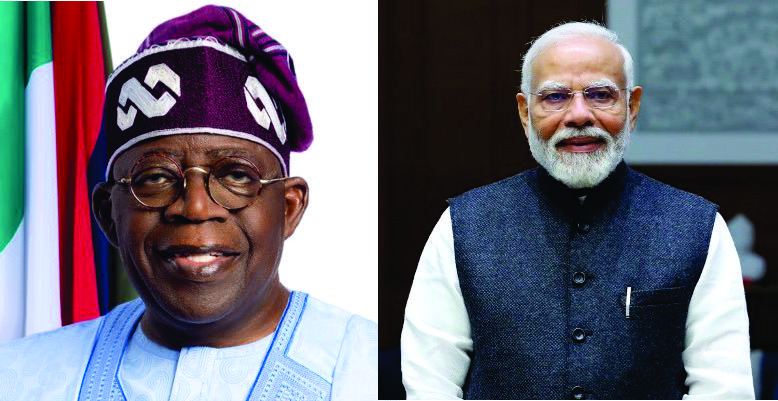
    ABUJA, Nigeria (NPA) — President Bola Ahmed Tinubu has congratulated Indian Prime Minister Narendra Modi on becoming India’s longest-serving elected Prime Minister, describing the achievement as a testament to the confidence and trust reposed in him by the Indian people.

    In a statement issued on Tuesday, Tinubu said Modi’s historic milestone reflects his enduring popularity, commitment to public service, and dedication to the development and prosperity of India.

    The Nigerian leader praised the Indian Prime Minister’s leadership record, noting that his influence extends beyond India and continues to inspire people around the world.

    “This remarkable achievement reflects the enduring confidence and trust the people of India have reposed in his leadership over three consecutive mandates,” Tinubu said.

    He commended Modi’s commitment to national development and his role on the global stage, describing him as a leader whose service continues to impact millions.

    Tinubu also highlighted the cordial relationship between Nigeria and India, noting that Prime Minister Modi has played a significant role in strengthening bilateral ties between the two countries.

    “Beyond being a great friend of Nigeria, Prime Minister Modi is a personal friend and trusted ally whom I can always count on,” the President stated.

    According to Tinubu, he has come to admire Modi’s wisdom, courage, and unwavering commitment to the progress of his nation.

    The President further recalled that Modi is a recipient of Nigeria’s national honour, the Grand Commander of the Order of the Niger (GCON), in recognition of his contributions to fostering cooperation and friendship between both countries.

    On behalf of the Federal Government and the people of Nigeria, Tinubu wished the Indian leader continued good health, wisdom, and success as he continues to lead his country.

    He expressed confidence that under Modi’s leadership, India would continue to record greater achievements and strengthen its position as a major global power.

  • Sowore promises one million public homes, accuses rivals of copying AAC policies

    Sowore promises one million public homes, accuses rivals of copying AAC policies

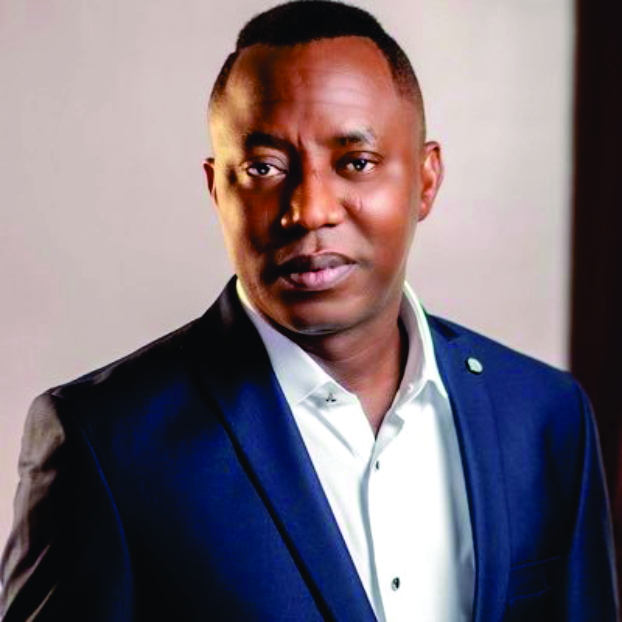
    ABUJA, Nigeria (NPA) — Presidential candidate of the African Action Congress (AAC), Omoyele Sowore, has pledged to deliver one million mixed-income public housing units across Nigeria if elected president, while accusing rival political parties of adopting policies first proposed by his party.

    Sowore made the remarks in a statement on Tuesday titled “Why Settle for Less?”, in which he contrasted the AAC’s policy proposals with those of other political parties ahead of the 2027 general elections.

    The human rights activist argued that the AAC has consistently advanced more ambitious socioeconomic programmes than its political competitors.

    According to him, his administration would construct one million mixed-income public homes nationwide as part of efforts to address the country’s housing deficit and improve living conditions for Nigerians.

    “The Sowore administration will build one million mixed-income public homes across Nigeria. Why should Nigerians settle for less?” he said.

    Sowore also alleged that other political parties have replicated several policy ideas initially championed by the AAC.

    He cited the party’s proposal for a ₦500,000 living wage, claiming that competing political groups later responded with lower wage proposals.

    “When we proposed a ₦500,000 living wage, they rushed out with ₦100,000. When we proposed one million public homes for all Nigerians, they responded with 100,000 homes,” he stated.

    The AAC presidential candidate maintained that there was a clear distinction between what he described as transformative policies and programmes designed merely to manage existing economic challenges.

    “One vision is designed to manage poverty. The other is designed to end it. One offers scarcity. The other offers abundance,” Sowore said.

    He urged Nigerians to support what he described as a movement committed to economic liberation, social justice, and expanded opportunities for citizens.

    Sowore concluded the statement by calling on voters to back his presidential bid in the 2027 elections, saying his administration would focus on policies aimed at improving welfare and expanding economic opportunities for Nigerians.

    The proposals form part of the AAC’s emerging campaign platform as political parties begin positioning ahead of the next presidential election cycle.

  • Barau hails progress of telecommunications, digital assets bills in senate

    Barau hails progress of telecommunications, digital assets bills in senate

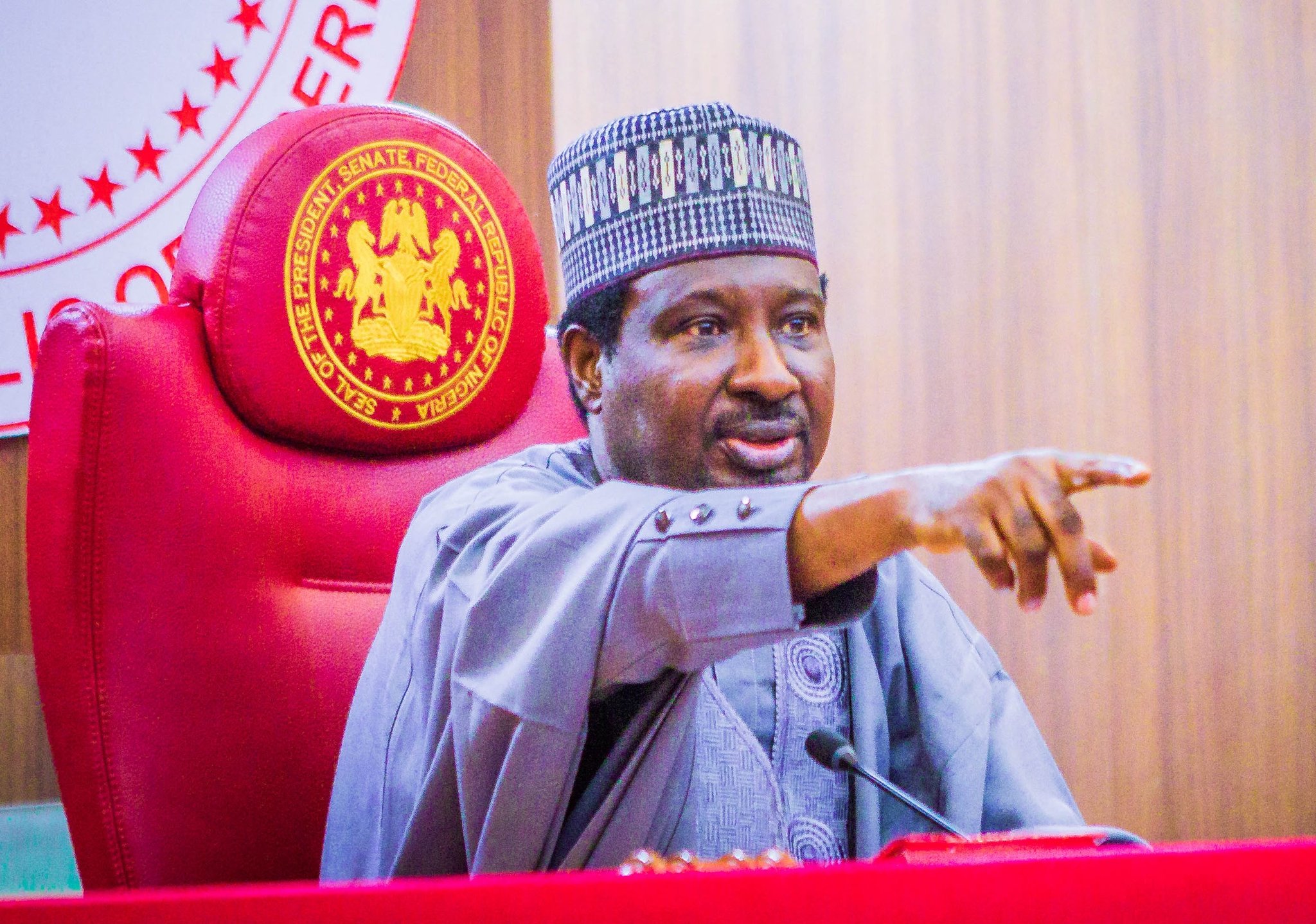
    ABUJA, Nigeria (NPA) — Deputy President of the Senate, Senator Barau I. Jibrin, has expressed satisfaction over the progress of two legislative proposals he sponsored, following their advancement through various stages of consideration in the Senate.

    In a statement on Tuesday titled “Today’s Senate Plenary at a Glance,” Barau disclosed that one of the bills, the Nigeria Communications Commission Act (Amendment) Bill, 2026, successfully passed its first reading during Tuesday’s plenary session.

    According to him, the bill was among four legislative proposals introduced and considered at the first reading stage.

    The second proposal, titled ‘A Bill to Establish a Comprehensive Legal, Regulatory and Supervisory Framework for Virtual Assets and Digital Asset Service Providers in Nigeria’, scaled second reading after receiving broad support from lawmakers.

    The Deputy Senate President said the bill seeks to provide a comprehensive legal framework for the regulation of virtual assets, cryptocurrencies, and digital asset service providers operating within the country.

    As the presiding officer during plenary, Barau said the lead debate on the bill was presented on his behalf by the Senate Chief Whip, Senator Mohammad Tahir Monguno.

    He noted that Nigeria ranks among the world’s leading users of virtual assets and digital financial products, but lacks a comprehensive regulatory framework to govern the rapidly expanding sector.

    According to him, the proposed legislation is designed to address existing regulatory gaps, promote compliance, protect investors, and strengthen the integrity of the nation’s financial system.

    “The world over, virtual assets, from cryptocurrency to blockchain-based tokens, have become an integral part of modern economic life. Yet there exists a gap in terms of a comprehensive legal and regulatory framework in this important sector,” he said.

    Barau added that senators unanimously supported the proposal before it was approved for second reading and referred for further legislative action.

    The Senate also advanced two other bills during the session.

    They include a bill seeking to repeal the Institute of Chartered Secretaries and Administrators of Nigeria Act and replace it with the Chartered Governance Institute of Nigeria, as well as a bill proposing the establishment of the Chartered Institute of Safety Engineers of Nigeria.

    Both bills passed second reading and were subsequently referred to the relevant committees for further scrutiny.

    Meanwhile, the Senate debated and adopted a motion on the urgent need to revive Nigeria’s textile industry.

    The motion, sponsored by Senator Sunday Marshall Katung and co-sponsored by Barau and several other lawmakers, highlighted the economic consequences of the decline of the once-thriving sector.

    Speaking during the debate, Barau said the collapse of the textile industry had resulted in the loss of thousands of jobs and livelihoods across the country.

    He argued that Nigeria’s heavy reliance on imported textile products has continued to create employment opportunities abroad while limiting job creation for Nigerians.

    “We have lost thousands of jobs and livelihoods due to the collapse of our textile industry. By importing 99 per cent of our textile needs, we create jobs for other countries while denying our people similar opportunities,” he said.

    The Deputy Senate President stressed the need for deliberate policies to reverse the trend, strengthen local production, stimulate economic growth, and improve the welfare of citizens.

    Following deliberations, the Senate resolved to urge the Federal Government to take urgent steps towards reviving the textile industry as part of broader efforts to create jobs, boost industrialisation, and address youth unemployment and restiveness.

    The Senate adjourned plenary and is expected to reconvene on Wednesday, June 10, 2026.

  • JUST IN: Kwankwaso raises alarm over rising insecurity, calls for overhaul of security architecture

    JUST IN: Kwankwaso raises alarm over rising insecurity, calls for overhaul of security architecture

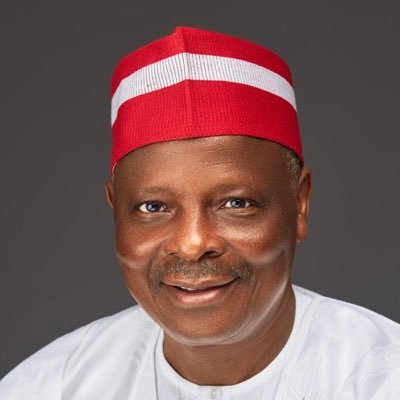
    ABUJA, Nigeria (NPA) — Vice Presidential candidate of the Nigeria Democratic Congress (NDC), Senator Rabiu Musa Kwankwaso, has expressed deep concern over the worsening security situation across the country, warning that escalating violence and criminal activities are threatening lives, livelihoods, and national stability.

    In a statement issued on Tuesday, the former Kano State Governor said Nigeria was witnessing a disturbing resurgence of insecurity, with banditry, kidnapping, terrorism, communal clashes, and armed robbery becoming increasingly widespread in several parts of the country.

    According to him, states including Zamfara, Borno, Sokoto, Katsina, Kwara, and Oyo have continued to experience varying degrees of insecurity, leaving many citizens living in fear.

    “Nigeria is bleeding profusely. From Zamfara, Borno, Sokoto, Katsina, and Kwara to Oyo and several other parts of the country, our citizens can no longer sleep with both eyes closed,” Kwankwaso said.

    He described as alarming the growing boldness of criminal groups, alleging that some now use social media platforms to openly taunt security agencies and spread fear among the public.

    The former Minister of Defence said the trend was unacceptable and inconsistent with the status of Nigeria as a sovereign nation.

    Drawing from his experience in public service, Kwankwaso said insecurity can be effectively tackled through decisive leadership, strategic planning, and community participation.

    “As someone who has served this country at various levels, including as Governor of Kano State and Minister of Defence, where we confronted and significantly reduced security challenges through decisive leadership and community engagement, I remain convinced that insecurity is not insurmountable,” he stated.

    He argued that the country possesses the resources required to combat insecurity but lacks the political will and sincerity needed to address the challenge comprehensively.

    Kwankwaso criticised the current security strategy, saying the persistent deterioration in the security situation despite significant budgetary allocations to the sector suggests the need for a new approach.

    According to him, continued attacks across the country have resulted in loss of lives, displacement of thousands of people, and growing economic hardship caused by fear and instability.

    He called for an urgent and comprehensive overhaul of Nigeria’s security architecture, including improved welfare for security personnel, enhanced intelligence gathering, and stronger community policing initiatives.

    The NDC vice presidential candidate also stressed the need to address the underlying causes of insecurity, including poverty, unemployment, poor governance, and lack of opportunities for young people.

    He urged the government to increase investment in quality education, skills acquisition, job creation, healthcare, infrastructure, electricity supply, and agricultural development as part of a long-term strategy for national security and economic stability.

    Kwankwaso maintained that strengthening local food production and improving socioeconomic conditions would help reduce vulnerabilities that often fuel insecurity and social unrest.

  • Tinubu, Oyedele highlight Lagos as engine of Nigeria’s economic growth, investment hub

    Tinubu, Oyedele highlight Lagos as engine of Nigeria’s economic growth, investment hub

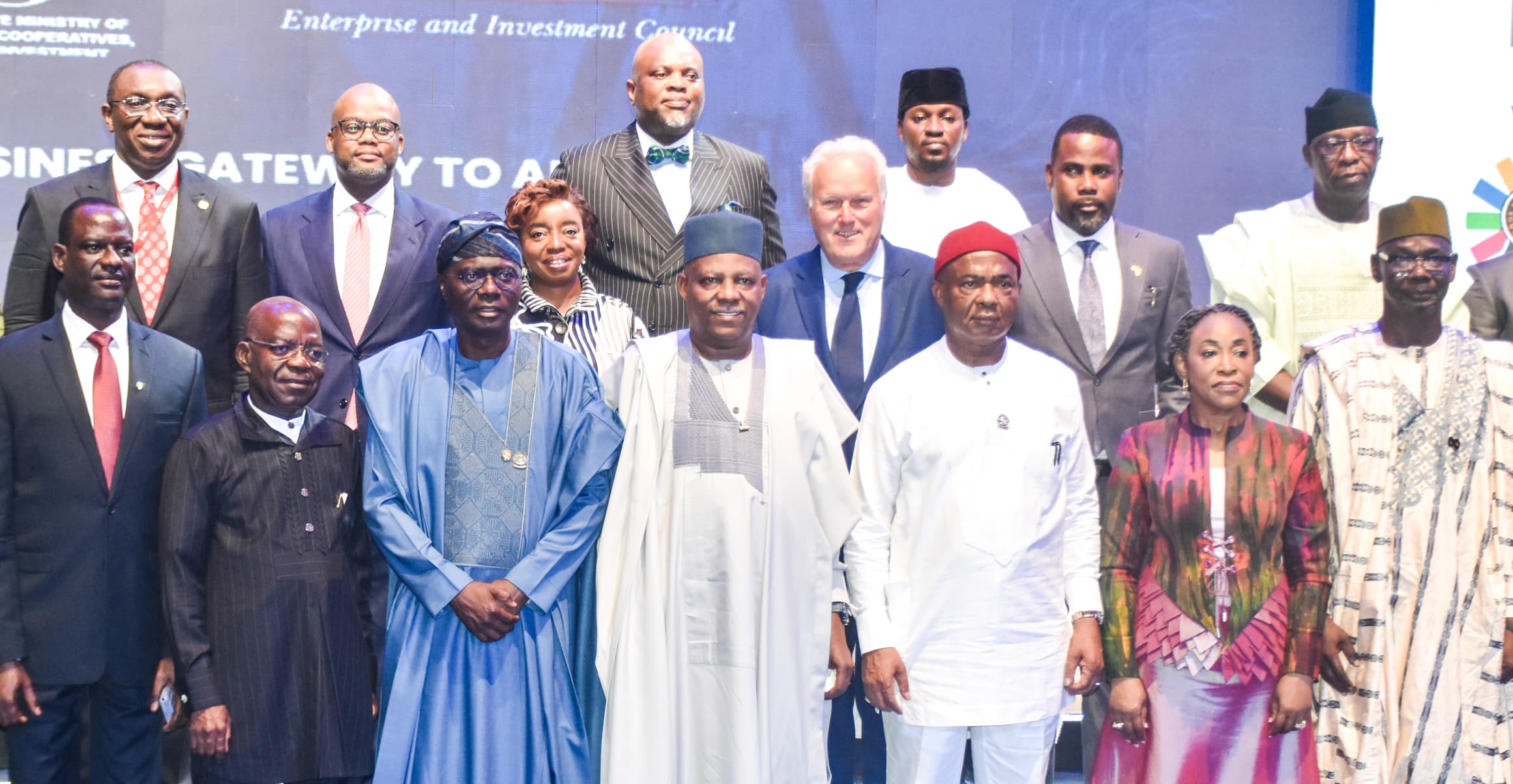
    LAGOS, Nigeria (NPA) — President Bola Tinubu has described Lagos State as a major driver of Nigeria’s economy, saying the state continues to lead the country in investment attraction, innovation, and economic growth.

    Represented by Vice President Kashim Shettima at the Invest Lagos 3.0 Summit in Lagos on Monday, Tinubu said Lagos contributes about 30 per cent of Nigeria’s Gross Domestic Product (GDP), making it one of Africa’s most significant economic centres.

    He attributed the state’s remarkable growth to policy consistency, enterprise, and a conducive environment for business and investment.

    “Lagos is Nigeria. Lagos is Nigeria,” the President declared, underscoring the state’s strategic importance to the national economy.

    According to him, Lagos offers investors unparalleled access to markets, capital, talent, infrastructure, and business opportunities, positioning it as a gateway to Africa’s vast economic landscape.

    Tinubu further noted that Lagos hosts five of Africa’s nine technology unicorns, a development he said reinforces its status as the continent’s leading hub for innovation and investment.

    The President stated that ongoing economic reforms by the Federal Government are restoring investor confidence, strengthening fiscal sustainability, and improving the country’s investment outlook.

    He added that Nigeria’s foreign reserves have grown significantly, rising to nearly $50 billion, while assuring local and international investors that the country remains open for business.

    “Nigeria is ready and open for business,” he said.

    Tinubu stressed that sustaining economic growth would require stronger collaboration between the Federal Government and subnational governments, commending Lagos for setting standards that encourage other states to improve their investment climate and competitiveness.

    Also speaking, the Minister of Finance and Coordinating Minister of the Economy, Mr Taiwo Oyedele, said state governments are increasingly becoming critical drivers of Nigeria’s economic transformation.

    “The future of Nigeria’s growth story is being written in Lagos, Kano, Enugu, Uyo and other cities,” Oyedele said.

    He noted that investors are increasingly focusing on projects, industrial clusters, logistics corridors, and economic ecosystems rather than countries alone.

    The minister cited the recent commissioning of a hyperscale data centre in Lagos as a successful example of collaboration between the public and private sectors.

    According to him, key reforms undertaken by the Federal Government have improved economic predictability, competitiveness, and profitability for investors.

    He identified exchange-rate reforms, stronger external reserves, and fiscal restructuring as some of the measures supporting macroeconomic stability.

    Oyedele disclosed that Nigeria’s economy recorded a growth rate of 3.89 per cent in the first quarter of 2026 and expanded by 11.2 per cent in dollar terms in 2025.

    He also highlighted ongoing tax reforms designed to simplify compliance procedures, improve efficiency, and support business expansion.

    “Our goal is not to tax more; it is to tax smarter,” he said.

    The minister further announced plans to establish a Nigerian Deal Room to connect investors with viable projects and unlock investment opportunities across key sectors of the economy.

    He urged investors to explore opportunities in infrastructure, agriculture, energy, manufacturing, technology, tourism, and housing, describing Nigeria as one of the world’s most attractive long-term investment destinations.

    “Nigeria remains one of the most compelling long-term investment destinations globally,” Oyedele added.