Category: Politics

  • Nwifuru inspects Trans-Saharan Highway, urges contractors to adhere to engineering standards

    Nwifuru inspects Trans-Saharan Highway, urges contractors to adhere to engineering standards

    ABAKALIKI, Nigeria (NPA) — Ebonyi State Governor, Rt. Hon. Francis Ogbonna Nwifuru, has directed contractors handling sections of the Trans-Saharan Highway project to strictly adhere to approved engineering standards and specifications to ensure the delivery of durable infrastructure.

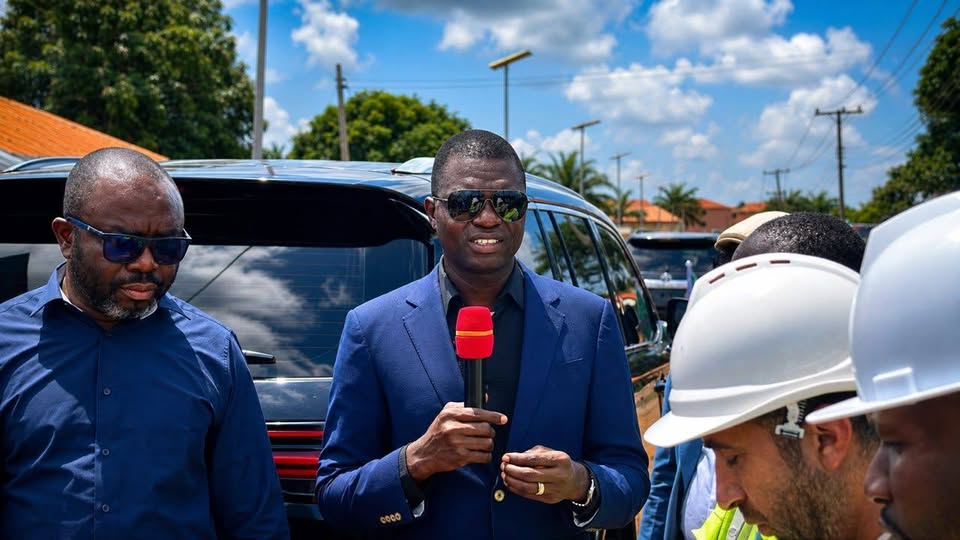
    The governor gave the directive on Tuesday during an inspection tour of the 118-kilometre section of the highway stretching from Ndibe Bridge in Afikpo through Abaomege, Onueke, Ukwuachi, Ishieke and Mbeke to its terminal point in Gboko, Benue State.

    According to a statement issued by the Chief Press Secretary to the Governor, Dr Monday Uzor, Nwifuru also inspected the proposed flyover site at Ukwuachi, which is designed to ease traffic congestion and improve the movement of commuters and other road users.

    Speaking during the inspection, the governor commended President Bola Ahmed Tinubu for approving what he described as a transformative infrastructure project for the South-East, saying the development would significantly improve connectivity and economic activities across the region.

    “I am very excited about the activities of Mr President, especially in the area of infrastructure. He understands that the primary responsibility of government is to provide basic amenities, and that is exactly what he is doing for us in Ebonyi State and the South-East,” Nwifuru said.

    “The President has not only shown capacity but has also demonstrated love for our people. We are sincerely grateful.”

    The governor assured the contractors of the state government’s support to ensure the timely completion of the project, including cooperation with communities on issues relating to project evaluation and implementation.

    “When it comes to evaluation, our people are very cooperative. We will continue to support you to ensure the successful delivery of this project,” he said.

    Nwifuru, however, warned against compromising quality, insisting that the contractor, Infouest Construction Company Limited, must maintain the highest engineering standards throughout the execution of the project.

    He cautioned that poor workmanship, substandard material mixtures, leakages and any diversion of project funds would not be tolerated.

    The governor also used the occasion to renew his call on the people of the South-East to unite in support of President Tinubu’s re-election bid, arguing that the administration’s investment in infrastructure demonstrates its commitment to the development of the region.

    Earlier, the Federal Controller of Works in Ebonyi State, Engr. Maxwell Okoha, explained that the inclusion of flyovers along the highway was intended to reduce traffic congestion, improve road safety and facilitate smoother movement for motorists.

    He assured the governor that the project would be executed in accordance with approved engineering specifications.

    Also speaking, the Managing Director of Infouest Construction Company Limited, Mr Mustapha Mohammad, pledged the company’s commitment to delivering the project to specification and within the agreed timeframe.

    He assured the state government that every necessary measure would be taken to ensure the successful completion of the highway project.
  • JUST IN: Tinubu approves up to 80% salary increase for armed forces personnel

    JUST IN: Tinubu approves up to 80% salary increase for armed forces personnel

    ABUJA, Nigeria (NPA) — President Bola Ahmed Tinubu has approved a new salary structure for members of the Nigerian Armed Forces, with pay increases ranging from 30 to 80 per cent across various ranks as part of efforts to improve troop welfare and strengthen national security.

    The new salary package, which takes effect from September 1, 2026, will benefit about 250,000 military personnel, according to a statement issued on Monday by the Special Adviser to the President on Information and Strategy, Bayo Onanuga.

    Under the approved structure, officers from the rank of Brigadier-General to General will receive a 30 per cent salary increase.

    Personnel from the rank of Colonel to Warrant Officer will benefit from a 50 per cent increase, while soldiers from Private to Staff Sergeant will receive the highest adjustment of 80 per cent.

    The Presidency said the review will increase the Federal Government’s annual wage bill for the Armed Forces from ₦660 billion to ₦924 billion.

    According to the statement, the salary adjustment reflects the Tinubu administration’s commitment to improving the welfare of military personnel in recognition of their sacrifices in combating terrorism, banditry, kidnapping and other security threats across the country.

    President Tinubu said members of the Armed Forces deserve better support as they continue to defend Nigeria’s territorial integrity and protect citizens.

    “The men and women who help to keep us safe in our homes must be supported and appreciated in the course of their duties to our nation,” the President said.

    He reaffirmed his administration’s commitment to prioritising troop welfare while continuing to modernise the Armed Forces through the provision of modern weapons, equipment and technological capabilities.

    “Our administration will continue to prioritise troop welfare and modernise the Armed Forces by providing the weapons and technological tools needed to discharge their duties,” Tinubu stated.

    The President stressed that national security remains central to his administration’s development agenda, noting that sustainable economic growth cannot be achieved without a secure environment.

    “Our administration believes that no nation can achieve greatness without security. We therefore remain resolute in mobilising all military and law enforcement assets to eliminate security threats and protect the lives and property of all Nigerians,” he said.

    Tinubu also urged military personnel to view the salary increase as an expression of the nation’s appreciation for their dedication and patriotism.

    “I urge our servicemen to take our gesture as a sign of our deep appreciation of the services they render to our fatherland. Together we shall prevail over the enemies intent on destroying the fabric of our nation,” the President added.

  • JUST IN: FG opens public consultation on National Policing Bill, unveils seven-week roadmap for state police framework

    JUST IN: FG opens public consultation on National Policing Bill, unveils seven-week roadmap for state police framework

    ABUJA, Nigeria (NPA) — The Federal Government has invited Nigerians to submit memoranda and policy proposals on the proposed National Policing Bill, as part of efforts to establish a comprehensive legal and operational framework for the creation of state police across the country.

    The call was announced on Monday by the Chief of Staff to the President and Chairman of the Presidential Working Group on the National Policing Bill, Mr Femi Gbajabiamila, after a meeting of the committee at the State House in Abuja.

    In a statement issued on Monday by Bayo Onanuga, Special Adviser to the President on Information and Strategy, Gbajabiamila announced that the Working Group has adopted a seven‑week work plan, running from July 27 to September 14, 2026, to finalise the proposed legislation.

    He explained that the committee is reviewing the Police Act 2020, the legal framework establishing the Police Service Commission, existing police regulations and other relevant laws to develop a modern and effective policing system capable of supporting both federal and state policing structures.

    The proposed legislation, he said, will establish national minimum standards for policing, define state readiness requirements and certification processes, clarify operational jurisdictions, strengthen independent oversight, protect human rights and provide sustainable funding mechanisms.

    It will also outline a structured transition to a dual-policing system.

    Gbajabiamila said the public consultation would remain open for two weeks, allowing citizens, professional bodies, civil society organisations, security agencies, state and local governments, academics and other stakeholders to contribute to the proposed legislation.

    According to him, all submissions will be reviewed and incorporated into the draft bill before another round of national consultations ahead of its final submission to the National Assembly.

    The Chief of Staff disclosed that the draft Executive Bill is scheduled to be presented to President Bola Ahmed Tinubu on September 3, 2026, before undergoing final consultations and approval.

    He noted that the National Policing Bill would define standards for recruitment, training, oversight, funding and transitional arrangements aimed at ensuring credible, effective and accountable policing nationwide.

    “A proposed State Police Service must demonstrate that it has credible arrangements for recruitment, vetting, training, pay, pensions, equipment, custody, complaints, discipline, data management, firearms control, independent oversight and financial sustainability before it begins policing,” Gbajabiamila said.

    Also speaking, Ogun State Governor Dapo Abiodun, who represented the Nigeria Governors’ Forum (NGF), described the establishment of state police as one of the most significant reforms under President Tinubu’s administration.

    He dismissed concerns that the Federal Government intended to exercise control over state police, stressing that the proposed legislation is designed to provide an operational framework rather than centralise authority.

    “There is no Federal attempt to control State Police,” Abiodun said, adding that the objective is to ensure uniform standards while allowing states to manage their respective police services.

    The Attorney-General of the Federation and Minister of Justice, Prince Lateef Fagbemi (SAN), said the proposed legislation is intended to enhance the protection of lives and property while preventing the misuse of state police for political purposes.

    He assured Nigerians that adequate legal safeguards would be built into the framework to ensure that state police are not deployed as instruments of political persecution.

    Fagbemi added that states that are unable to establish their own police services immediately would continue to benefit from the services of the Nigeria Police Force until they meet the prescribed operational standards.

    Other participants at the meeting included the Inspector-General of Police, Kayode Egbetokun; President of the Nigerian Bar Association (NBA), Afam Osigwe; Chairman of the Policy Advisory Committee, Justice Abdullahi Liman (rtd.); Head of the Nigeria Police Reform Secretariat, Professor Olu Ogunsakin; Senior Special Assistant to the President on Planning and Research, Nnadubem Moghalu; and Brigadier General Olutayo Muyiwa Adesuyi, who represented the National Security Adviser.

    The Federal Government said the public consultation is expected to ensure that the proposed National Policing Bill reflects broad national consensus before its transmission to the National Assembly.

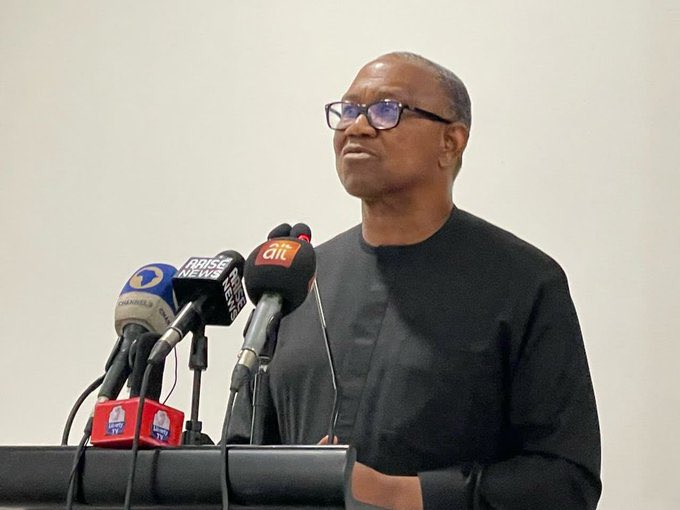
  • BREAKING: Peter Obi condemns abduction of worshippers in Enugu, calls insecurity a national crisis

    BREAKING: Peter Obi condemns abduction of worshippers in Enugu, calls insecurity a national crisis

    ABUJA, Nigeria (NPA) — Presidential candidate of the Nigeria Democratic Congress (NDC), Mr Peter Obi, has condemned the abduction of worshippers in Enugu State, describing the incident as another grim reminder that insecurity has become a nationwide crisis requiring urgent and collective action.

    Reacting to the incident in a statement on Monday titled, “Disruption of Worship Centres Now a National Calamity,” Obi expressed deep concern over the attack, saying no Nigerian should have to live in fear of attending religious services.

    “I have been deeply dismayed by the recent news concerning the abduction of worshippers in Enugu. It is profoundly distressing that fellow Nigerians, who had come together in divine worship seeking solace and hope, have endured such a traumatic and criminal ordeal,” he said.

    The former Anambra State governor warned that the country’s worsening security situation has gone beyond isolated incidents affecting a few states and has evolved into a national emergency.

    According to him, insecurity is no longer confined to states such as Borno, Benue, Plateau, Zamfara or Katsina, but now threatens the safety of Nigerians across every region of the country.

    “It is increasingly clear that this is no longer an isolated incident affecting specific states. It has escalated into a national crisis, threatening every Nigerian, regardless of their ethnic background, religious beliefs or regional origins,” Obi said.

    He stressed that no part of Nigeria should become a place where citizens live in constant fear of attending places of worship, pursuing education, going to work or resting in their homes.

    Obi called for unity in addressing the country’s security challenges, insisting that the protection of lives should rise above partisan politics, ethnic loyalties and religious differences.

    “This is a critical moment for Nigeria to come together as one nation. Security concerns must go beyond partisan politics, tribal loyalties or religious differences. It is a collective national duty that requires unity, urgency and decisive action,” he stated.

    The NDC presidential candidate urged security agencies to intensify efforts to secure the immediate release of the abducted worshippers and ensure that those responsible are arrested and prosecuted.

    “I call on all relevant security agencies to intensify their efforts to ensure the safe return of the abducted persons and to swiftly apprehend and bring to justice those responsible,” he said.

    Obi also urged Nigerians to commit themselves to eliminating insecurity through all lawful means, maintaining that the sanctity of human life must remain the foremost responsibility of government.

    “The inviolability of human life must remain the highest priority for any government. We cannot accept these tragedies as a new normal. Every Nigerian life is invaluable, and every possible measure must be taken to protect it,” he added.

    He expressed optimism that the country could overcome its security challenges, saying, “A New Nigeria is possible.”

  • BREAKING: Delta sets aside $100m to de-risk investments, targets economic diversification — Oborevwori

    BREAKING: Delta sets aside $100m to de-risk investments, targets economic diversification — Oborevwori

    ASABA, Nigeria (NPA) — Delta State Governor, Rt. Hon. Sheriff Oborevwori, has announced the creation of a 100 million U.S. dollar investment de-risking fund to attract local and foreign investors as part of the state’s drive to diversify its economy beyond oil.

    The governor made the announcement on Monday at the ongoing Delta State Economic and Investment Summit 2026 in Asaba, where government officials, local and foreign investors and business leaders gathered to explore investment opportunities across key sectors of the state’s economy.

    Speaking at the summit, Oborevwori said the event marked a transition from investment promotion to concrete action, following the state’s recent investment engagements in countries including China and Brazil.

    According to him, Delta State is positioning itself as a preferred investment destination through a private sector-led development model anchored on fiscal discipline, policy consistency and an enabling business environment.

    “Our administration believes in a development model that is private sector-led. We are seeking strategic partnerships with investors from across the world to maximise Delta’s economic potential, create jobs and accelerate sustainable development,” the governor said.

    He said the state government had implemented several reforms aimed at improving the ease of doing business, including the establishment of the Delta State Ease of Doing Business Council.

    Oborevwori explained that the reforms are designed to reduce bureaucratic bottlenecks, strengthen investor confidence and create a more competitive investment climate.

    He disclosed that qualifying investors could also benefit from tax incentives, including tax relief of up to five years after the commencement of operations.

    Highlighting investment opportunities, the governor said Delta State offers significant potential in agriculture, manufacturing, energy, technology and agro-processing.

    He identified cassava and palm oil value chains as priority sectors, adding that over 12 hectares of land had already been earmarked for agricultural development by prospective investors.

    Oborevwori also said the state possesses abundant natural gas reserves that provide a strong foundation for industrialisation and economic diversification.

    He noted that opportunities also exist in biomass, waste-to-energy projects, renewable energy technologies and the local manufacturing and assembly of energy solutions.

    The governor attributed the state’s growing economic stability to prudent fiscal management, transparency and responsible allocation of public resources.

    “We have not borrowed a kobo from any bank, and we are not intending to borrow. The money is there,” he said.

    According to him, the state’s financial position provides confidence for prospective investors seeking stable and financially viable investment destinations.

    Oborevwori further highlighted improvements in the state’s security architecture, noting that sustained investment in security had strengthened collaboration between security agencies and local communities.

    He said Delta was recognised as one of Nigeria’s safest oil-producing states in 2024, adding that maintaining peace and security remains central to attracting long-term investments.

    Announcing the new investment initiative, the governor said the state had set aside 100 million U.S. dollars specifically to de-risk new investments and encourage greater private sector participation.

    “I am pleased to announce that the government has set aside 100 million dollars to de-risk new investment in the state. We are not going to borrow. The money is there,” he said.

    He reaffirmed the state’s commitment to building a diversified economy driven by strategic partnerships, private capital and sustainable investment across multiple sectors.

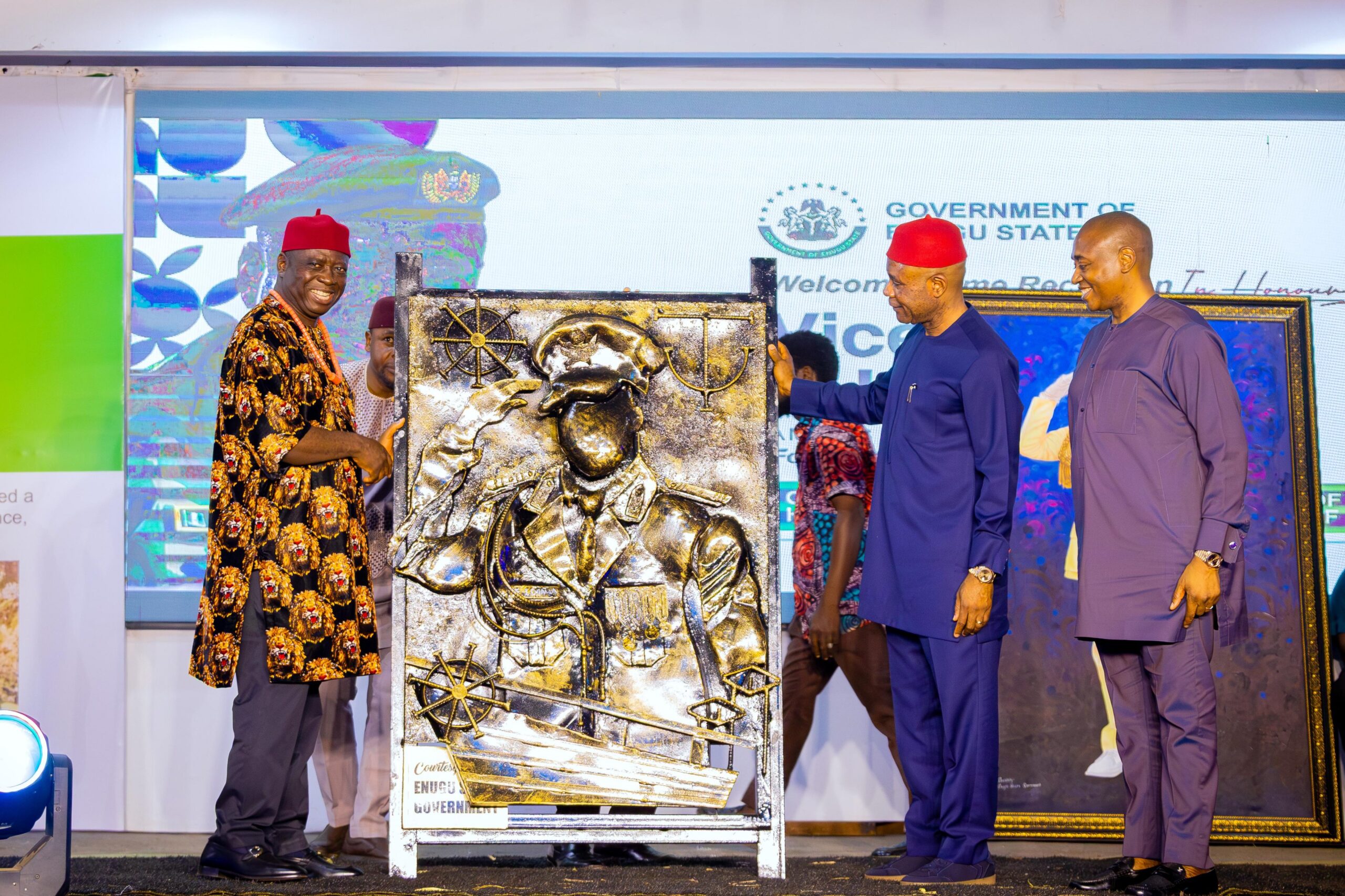
  • Mbah honours ex-Naval Chief Ogalla, praises his service to Nigeria

    Mbah honours ex-Naval Chief Ogalla, praises his service to Nigeria

    ENUGU, Nigeria (NPA) — Enugu State Governor, Peter Mbah, has honoured former Chief of the Naval Staff, Vice Admiral Emmanuel Ogalla (rtd.), describing him as a patriot whose military career was marked by courage, professionalism and selfless service to Nigeria.

    The reception, organised by the Enugu State Government to mark Ogalla’s successful completion of his tenure, attracted serving and retired military officers and political leaders, including former Senate President Ken Nnamani, former Chief of the Naval Staff, Rear Admiral Alison Madueke (rtd.), and former Chief of Army Staff, Lt. Gen. Azubuike Ihejirika (rtd.).

    Speaking at the event in Enugu, Mbah said Ogalla earned the admiration of colleagues and his people through exemplary leadership and humility.

    “Rank gives you authority, but it does not automatically earn devotion. Love is earned over time through relationships and the way you treat people when no one is watching,” the governor said.

    He also commended Ogalla’s contributions to security and human capital development, citing the establishment of a naval base in Ogurugu, Uzo Uwani Local Government Area, and the Navy Secondary School in Umuopu, Igbo Eze North Local Government Area.

    “An operational naval base strengthens security today, while a naval school invests in tomorrow’s leaders,” Mbah added.

    Representing the Minister of Defence, the Chief of Defence Staff, General Christopher Musa, described Ogalla as a disciplined and visionary officer whose leadership strengthened Nigeria’s maritime security.

    Musa also praised the developmental progress recorded in Enugu State under Mbah’s administration.

    The Chief of the Air Staff, Air Marshal Sunday Aneke, described Ogalla as calm, humble and highly professional, saying his career had inspired younger military officers.

    He also commended Governor Mbah for organising the reception, noting that outstanding service deserved recognition.

    Chairman of the Enugu State Council of Traditional Rulers, Igwe Samuel Asadu, said the event reflected the state’s appreciation for Ogalla’s distinguished service to Nigeria.

    Responding, Ogalla thanked the Enugu State Government, his family, colleagues and friends for the honour bestowed on him.

    He praised Governor Mbah’s development initiatives, particularly his approach to tackling insecurity through infrastructure, education and job creation.

    “The modern concept of security is not just about weapons. It is about human security, education, employment and improving the capacity of citizens. These are exactly the priorities of the Governor,” Ogalla said.

    He also expressed gratitude to President Bola Tinubu for the opportunity to serve as Chief of the Naval Staff and fulfil his vision for the Nigerian Navy.

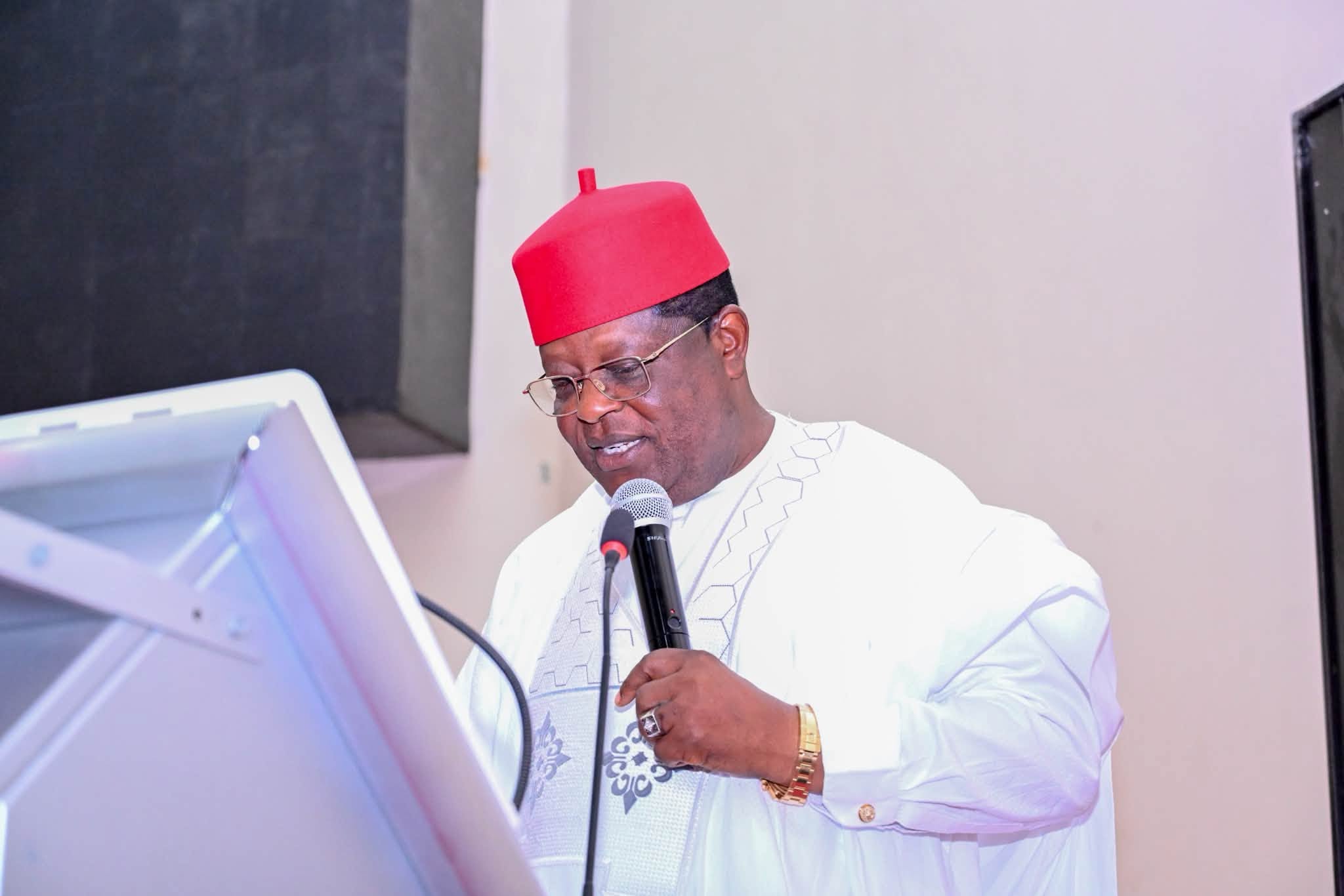
  • Umahi urges accountability in public spending, commends Tinubu’s anti-corruption agenda

    Umahi urges accountability in public spending, commends Tinubu’s anti-corruption agenda

    ABUJA, Nigeria (NPA) — Minister of Works, Senator David Umahi, has called for greater transparency and accountability in the management of public resources, insisting that every naira belonging to Nigerians must be used solely for their benefit.

    Umahi made the call on Thursday while delivering the keynote address at the launch of the Joint Tracking Report, organised by the Independent Corrupt Practices and Other Related Offences Commission (ICPC) in collaboration with the Federal Ministry of Works.

    The event, held at the ICPC headquarters in Abuja, brought together lawmakers, anti-corruption agencies, senior government officials and other stakeholders to discuss the theme, “The Role of Parliamentarians in the Fight Against Corruption.”

    Speaking against the backdrop of ongoing efforts to strengthen accountability in public service, the minister described corruption as one of the greatest obstacles to Nigeria’s development, saying it must be confronted through ethical leadership, institutional reforms and collective action.

    Drawing on his experience as a former governor, senator and now a cabinet minister, Umahi said public office demands integrity, responsible leadership and prudent management of national resources.

    “As one privileged to have served in both the Executive and the Legislature, and now as the Honourable Minister of Works under the leadership of President Bola Ahmed Tinubu, I have witnessed firsthand the importance of ethical leadership, effective legislative oversight and responsible governance,” he said.

    According to the minister, the Tinubu administration remains committed to ensuring that public funds are managed with discipline and deployed to improve the lives of Nigerians.

    He argued that corruption extends beyond the diversion of government funds, warning that it weakens institutions, erodes public confidence and undermines national development.

    “Corruption is not merely the misappropriation of public resources. It is an assault on development, justice, equity and the confidence of citizens in government,” Umahi said.

    He noted that corrupt practices deprive citizens of essential infrastructure and public services by diverting resources intended for roads, healthcare, education, agriculture and social welfare.

    According to him, prudent financial management remains indispensable to achieving sustainable economic growth and improving the quality of life of Nigerians.

    Focusing on the role of the National Assembly, Umahi described lawmakers as critical partners in the country’s anti-corruption campaign because of their constitutional responsibilities in lawmaking, oversight and representation.

    He urged parliamentarians to strengthen Nigeria’s legal framework by reviewing existing laws, closing loopholes that encourage corruption and enacting legislation that promotes transparency, accountability, procurement reforms and fiscal responsibility.

    The minister also stressed that legislative oversight should be exercised constructively to ensure public resources are properly utilised rather than becoming a source of unnecessary conflict between arms of government.

    “Parliamentarians’ oversight function should never be reduced to confrontation; rather, it should be a constitutional mechanism for ensuring that public funds are utilised efficiently, lawfully and for their intended purposes,” he said.

    Reflecting on his tenure as Governor of Ebonyi State, Umahi attributed the state’s infrastructure expansion to prudent financial management, strict monitoring of projects and direct supervision of government programmes.

    He said ensuring value for money in public projects remains a guiding principle of his approach to governance.

    The minister maintained that defeating corruption requires the active participation of all sectors of society and should not be left solely to anti-corruption agencies or government institutions.

    He called for stronger collaboration among the Executive, Legislature, Judiciary, anti-corruption agencies, civil society organisations, the media, professional bodies, religious institutions and citizens to build a culture where integrity is rewarded and corruption is rejected.

    Umahi further argued that Nigeria’s anti-corruption campaign must be institutionalised to outlive individual administrations.

    “The fight against corruption is not a one-time campaign; it is a continuous national commitment. Every generation has the responsibility to leave behind stronger institutions than it inherited,” he said.

    Concluding his address, the minister said the campaign against corruption ultimately seeks to promote justice, national development and a better future for generations to come.

    “The fight against corruption is ultimately a fight for justice, development, national unity and the future of our children,” he added.

    Among those in attendance were Chairman of the Senate Committee on Anti-Corruption and Financial Crimes, Senator Emmanuel Udende; Chairman of the House Committee on Anti-Corruption, Kayode Moshood Akiolu; Chairman of the Code of Conduct Bureau, Dr Abdullahi Usman Bello; Chairman of the Economic and Financial Crimes Commission (EFCC), Ola Olukoyede; Director-General of the Nigeria Financial Intelligence Unit (NFIU), Hafsat Abubakar Bakari; Director-General of the Bureau of Public Procurement (BPP), Dr Adebowale Adedokun, as well as senators, members of the House of Representatives and other stakeholders.

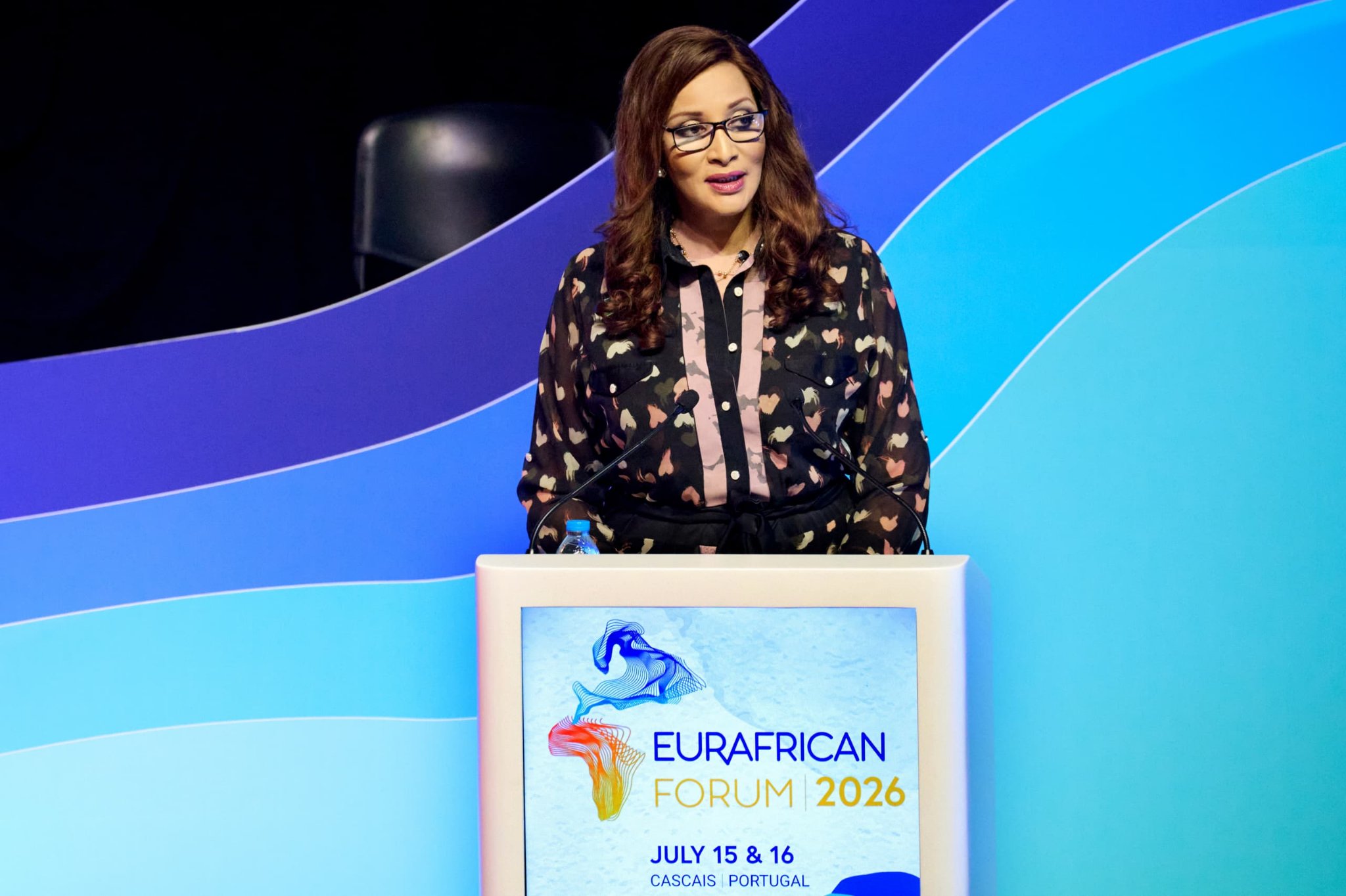
  • Nigeria urges stronger Africa-Europe partnership to address global challenges

    Nigeria urges stronger Africa-Europe partnership to address global challenges

    ABUJA, Nigeria (NPA) — Nigeria has called for a more strategic, equitable and resilient partnership between Africa and Europe to tackle growing geopolitical and economic challenges confronting the international community.

    The call was made by the Minister of Foreign Affairs, Ambassador Bianca Odumegwu Ojukwu, during the Portugal EurAfrican Forum 2026, where she urged both continents to build stronger cooperation based on mutual respect, shared responsibility and common interests.

    According to a statement issued on Thursday by the Ministry of Foreign Affairs, the minister spoke during Panel Six on Geopolitics, which examined the theme: “How Will Africa and Europe Navigate Global Geopolitical Turmoil?”

    Odumegwu Ojukwu said the rapidly evolving global landscape—marked by armed conflicts, economic shocks, climate change, forced migration and disruptions to global supply chains—requires closer collaboration between Africa and Europe.

    She stressed that Africa should no longer be viewed merely as a recipient of international support but as a strategic partner with vast human capital, abundant natural resources and growing investment opportunities.

    The minister outlined four priority areas for strengthening cooperation between the two continents.

    These, she said, include promoting peace and security through multilateral cooperation, expanding trade and investment, advancing climate resilience, and fostering cultural exchange.

    She also advocated increased financial support and capacity-building initiatives through inclusive climate financing and technology transfer mechanisms.

    Reaffirming Nigeria’s commitment to global peace and sustainable development, Odumegwu Ojukwu reiterated Africa’s longstanding demand for permanent representation on the United Nations Security Council.

    She said Nigeria’s foreign policy under President Bola Ahmed Tinubu’s Renewed Hope Agenda remains focused on strategic engagement, economic diplomacy, regional stability and mutually beneficial international partnerships.

    The minister further urged African countries to pursue greater strategic autonomy by engaging global partners from a position of confidence while advancing their national and continental interests rather than being drawn into geopolitical rivalries.

    She concluded by calling on Africa and Europe to replace dependency with genuine partnership and competition with collaboration.

    According to her, a relationship built on trust, innovation and shared responsibility would better position both continents to navigate current global uncertainties while contributing to a more peaceful, prosperous and inclusive international order.

  • Nigeria, Gambia agree to revive joint commission, deepen bilateral ties

    Nigeria, Gambia agree to revive joint commission, deepen bilateral ties

    ABUJA, Nigeria (NPA) — Nigeria and The Gambia have agreed to strengthen their longstanding bilateral relations by reviving the Nigeria-Gambia Joint Commission and expanding cooperation in key areas of mutual interest.

    The agreement was reached during a bilateral meeting between Nigeria’s Minister of State for Foreign Affairs, Ambassador Sola Enikanolaye, and The Gambia’s Minister of Foreign Affairs, International Cooperation and Gambians Abroad, Serign Modou Njie, on the sidelines of the ongoing ECOWAS Mid-Year Summit in Freetown, Sierra Leone.

    According to a statement issued on Thursday by the Ministry of Foreign Affairs, the two ministers reaffirmed their commitment to deepening diplomatic ties and enhancing collaboration in areas that would promote shared development and regional integration.

    Speaking during the meeting, Ambassador Enikanolaye commended the cordial relationship between Nigeria and The Gambia, describing cooperation between the two countries at both bilateral and multilateral levels as strong and productive.

    He said there remained significant opportunities further to strengthen collaboration for the mutual benefit of both nations.

    The Gambian Foreign Minister congratulated Enikanolaye on his recent appointment and praised the enduring friendship and cooperation between the two countries.

    Njie also acknowledged Nigeria’s longstanding contribution to The Gambia’s development through the Technical Aid Corps (TAC) scheme, which was established in 1987.

    According to him, the programme has played a significant role in building human capacity in The Gambia, with many beneficiaries now occupying senior positions across various sectors of the country’s economy.

    Responding, Enikanolaye expressed satisfaction with the continued deployment of Nigerian Technical Aid Corps volunteers to The Gambia, reaffirming Nigeria’s commitment to supporting the country’s development, capacity building and manpower needs.

    He also assured the Gambian government that Nigeria would continue to sustain the Technical Aid Corps programme, which deploys highly qualified Nigerian professionals, at the request of African and Caribbean countries, to support human capital development.

    The minister thanked his Gambian counterpart for the cordial relationship between both countries and reiterated Nigeria’s commitment to further strengthening bilateral cooperation.

    Both ministers agreed on the need to revive the Nigeria-Gambia Joint Commission, describing it as an important mechanism for reviewing dormant agreements and identifying new areas of cooperation.

    The meeting took place on the margins of the ECOWAS Mid-Year Summit currently underway in Freetown, Sierra Leone.

  • ICYMI: Peter Obi pledges quality education, accessible healthcare in new policy roadmap

    ICYMI: Peter Obi pledges quality education, accessible healthcare in new policy roadmap

    ABUJA, Nigeria (NPA) — Presidential candidate of the Nigeria Democratic Congress (NDC), Peter Obi, has pledged to prioritise quality education and accessible healthcare if elected, describing the two sectors as the foundation for rebuilding Nigeria and driving sustainable national development.

    Obi made the pledge in the second part of his policy document, “Roadmap to a New Nigeria That Is Possible,” titled “Education and Healthcare: The Foundation of a Renewed Nigeria.”

    In a statement released on Wednesday, the former Anambra State governor said the transformation of Nigeria must begin with strategic investments in human capital.

    He recalled that the first part of his roadmap, unveiled on July 1, outlined a broad framework for national renewal centred on rebuilding human capital through education, healthcare, Technical and Vocational Education and Training (TVET), character and civic education, and reforms aimed at shifting Nigeria from a consumption-driven economy to a production-driven one.

    According to Obi, the second instalment expands on education and healthcare because they are the pillars upon which prosperous nations are built.

    “Education and healthcare are the cornerstones of the foundation that will ensure that a son of nobody can become somebody and lift many out of the ranks of the disaffected who often become tools in the insecurity challenges confronting our nation,” he said.

    Citing global evidence, Obi argued that countries with strong education and healthcare systems consistently achieve higher levels of economic growth and social development.

    He referenced Nobel Prize-winning economist Angus Deaton and his book, The Great Escape: Health, Wealth, and the Origins of Inequality, saying the work demonstrates the close relationship between education, health and national prosperity.

    Obi also rejected the growing perception among some young Nigerians that “education is a scam.”

    “Nothing could be further from the truth,” he said.

    “Education, when combined with good health, provides the ladder for individual upward mobility and drives economic growth for the nation.”

    The NDC presidential candidate said Nigeria must deliberately align its education system with national development priorities, drawing lessons from countries such as Singapore and China.

    He noted that Singapore successfully linked education to economic transformation, while former Chinese leader Deng Xiaoping consistently emphasised education as a key driver of China’s development from 1978 onward.

    Outlining his proposals, Obi said his administration would strengthen collaboration among the three tiers of government through education commissions.

    He said primary education would be managed at the community and local government levels with stronger parental involvement and curricula tailored to local economic realities and value chains.

    According to him, state governments would receive targeted grants and incentives to expand access to high-quality Technical and Vocational Education and Training (TVET) as well as general secondary education.

    Obi also pledged reforms in the university system aimed at encouraging higher institutions to specialise in specific areas of teaching and research.

    He said the approach would improve global competitiveness and produce graduates equipped with the skills required for the future workforce.

    The policy document forms part of Obi’s broader vision for national renewal, which he said will be released in phases in the coming weeks and months.