Category: News

  • Olukoyede charges religious leaders to preach against corruption

    Olukoyede charges religious leaders to preach against corruption

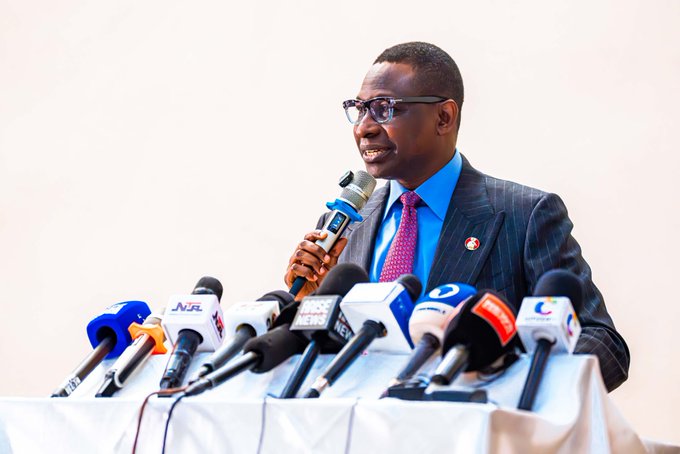
    ABUJA, Nigeria (NPA) — Executive Chairman of the Economic and Financial Crimes Commission (EFCC), Ola Olukoyede, has urged religious leaders across Nigeria to continually preach against corruption and its harmful effects on society.

    Olukoyede made the call in Abuja on Wednesday, Sept. 23, 2026, at the second 2026 Council Meeting of the Nigeria Inter-Religious Council (NIREC) and the launch of the Anti-Corruption Interfaith Manual for religious leaders.

    Presenting a paper at the event, Olukoyede said the theme, “Shared Sacred Flourishing in Nigeria,” required stakeholders in the fight against corruption to recognise that the wellbeing of Nigerians depends on the actions of individual citizens.

    He said acts of corruption undermine shared prosperity and that one of the most consequential contributions religious leaders could make was to restore the moral dignity of honest living.

    According to him, corruption “privatizes what is shared, converts the commonwealth into private advantage, and allows one person to flourish by making many others poorer,” adding that the EFCC’s role was to defend the integrity of the commonwealth.

    Olukoyede said Christianity and Islam could retain their distinctive beliefs and traditions while their adherents worked together to promote peace, justice, human dignity and national wellbeing.

    He said the EFCC had been engaging religious leaders through an interfaith framework to encourage them to incorporate anti-corruption messages into their sermons and teachings.

    “We have been doing this through the inter-faith framework. Over the years, we have specifically spelt out what should be the roles of religious leaders and the doctrine they need to pass down to their followers. We believe that no religion condones corruption and no faith entertains fraudulent engagements,” he said.

    The EFCC chairman said the Commission had also worked with Christian and Muslim leaders over the years to develop an Interfaith Manual outlining the doctrinal positions of the holy books on corruption.

    “We are using this opportunity to launch the Manual which we hope our religious leaders will surely find useful in preaching anti-corruption messages to their members,” he said.

    Olukoyede stressed that corruption and financial crimes had no religious or ethnic boundaries, noting that their effects were felt across society.

    “Financial crime has no religion. Corruption has no tribe. Fraud does not become Christian or Muslim because of the identity of the person accused of committing it,” he said.

    He cited poor healthcare, deteriorating infrastructure, unemployment and inflation as examples of challenges that affect Nigerians regardless of their religious affiliation.

    “We enjoin our pastors and imams to keep faith with the manual and actively engage their members to know why corruption is heinous,” he said.

    Olukoyede urged religious institutions to take a more active role in shaping the values and conduct of Nigerians, saying faith communities could help prevent corruption by promoting honesty and challenging the glorification of wealth without regard to its source.

    “Religious institutions have extraordinary responsibility in Nigeria’s anti-corruption struggle. The EFCC can investigate a person’s conduct. Faith communities can influence that person’s character. We can prosecute fraud. Religious teaching can cultivate honesty,” he said.

    “We can confiscate illicit wealth. Churches and mosques can challenge the values that make society worship wealth without questioning its source. We can punish corruption after the event. Faith can help prevent it before it begins.”
  • NDLEA busts Nigerian-Mexican meth cartel, docks kingpins over Enugu clandestine lab

    NDLEA busts Nigerian-Mexican meth cartel, docks kingpins over Enugu clandestine lab

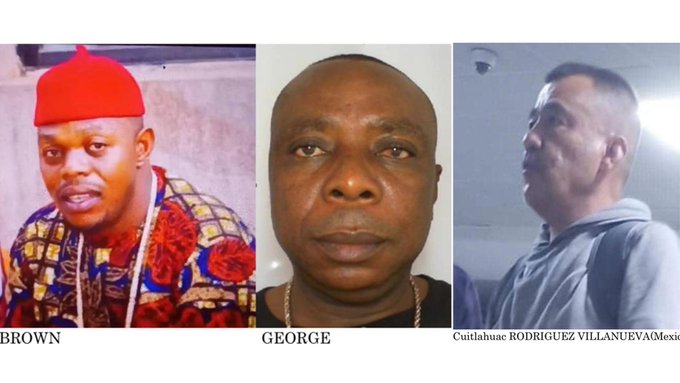
    ABUJA, Nigeria (NPA) — The National Drug Law Enforcement Agency (NDLEA) has dismantled a Nigerian-Mexican drug cartel allegedly operating a clandestine methamphetamine laboratory in Eziama community, Obeagu, Awgu Local Government Area of Enugu State.

    The operation led to the arrest of two alleged kingpins, 45-year-old Chukwu Obumneme Christopher, alias Brown, and 60-year-old Chukwu Georginus Monday, alias George, following months of intelligence gathering and surveillance.

    According to a statement signed by Femi Babafemi, Director, Media and Advocacy, NDLEA Headquarters, Abuja, on Thursday, Sept. 24, 2026, the suspects allegedly operated the laboratory in partnership with Rodriguez Villanueva, a Mexican national based in Mexico City and described by the agency as a member of a Mexican drug cartel.

    The two suspects were arraigned before Justice Mabel Taiye Segun-Bello of the Federal High Court, Enugu Judicial Division, on a five-count charge bordering on conspiracy, organisation, management and financing of a drug trafficking organisation, and unlawful possession of precursor chemicals used in methamphetamine production.

    Following their pleas, the court fixed Oct. 21, 2026, for trial after the NDLEA applied for an accelerated hearing.

    Also named in the charge and currently at large are Uchenna, alias Uche; Celestine Ikemefuna Iwuchukwu; and Villanueva.

    The NDLEA said investigations by its Special Operations Unit revealed a sophisticated transnational operation. Surveillance conducted between Dec. 1 and 4, 2025, reportedly tracked Brown’s movements across Lagos, Enugu and Anambra states before leading operatives to a compound in Obeagu.

    The agency said the compound housed a clandestine laboratory capable of producing methamphetamine in commercial quantities, equipped with improvised reactors and distillation apparatus. It added that the facility was similar to laboratories recently dismantled in Ogun, Oyo and Ebonyi states.

    A search of the premises reportedly led to the recovery of 690 litres of methylamine, 1,000 litres of isopropyl alcohol, 300 litres of hydrochloric acid, 290 litres each of toluene and acetone, 400 litres of liquid sodium hydroxide, 125kg of N-phenylacetamide, 414kg of lead acetate and 769.6kg of tartaric acid, among other controlled substances.

    The NDLEA said the quantity and combination of chemicals were consistent with a P2P-based methamphetamine manufacturing operation.

    A related search of George’s family residence also led to the recovery of eight large fuel tanks, four commercial gas burners, four dehydrators and 11kg of ephedrine, according to the agency.

    Reacting to the operation, NDLEA Chairman/Chief Executive, Brig. Gen. Mohamed Buba Marwa (Rtd), said the agency would continue efforts to track down suspects linked to the cartel and ensure they face the law.

    Marwa commended the officers involved in the operation, describing the dismantling of the syndicate as further evidence that transnational drug networks would not be allowed to establish themselves in Nigeria.

    He said the agency’s intelligence-driven operations and international partnerships would continue to target loopholes exploited by drug traffickers, while urging NDLEA personnel to sustain enforcement efforts against illicit drug production and trafficking.

  • JUST IN: NEMA receives 174 Nigerian returnees from Libya

    JUST IN: NEMA receives 174 Nigerian returnees from Libya

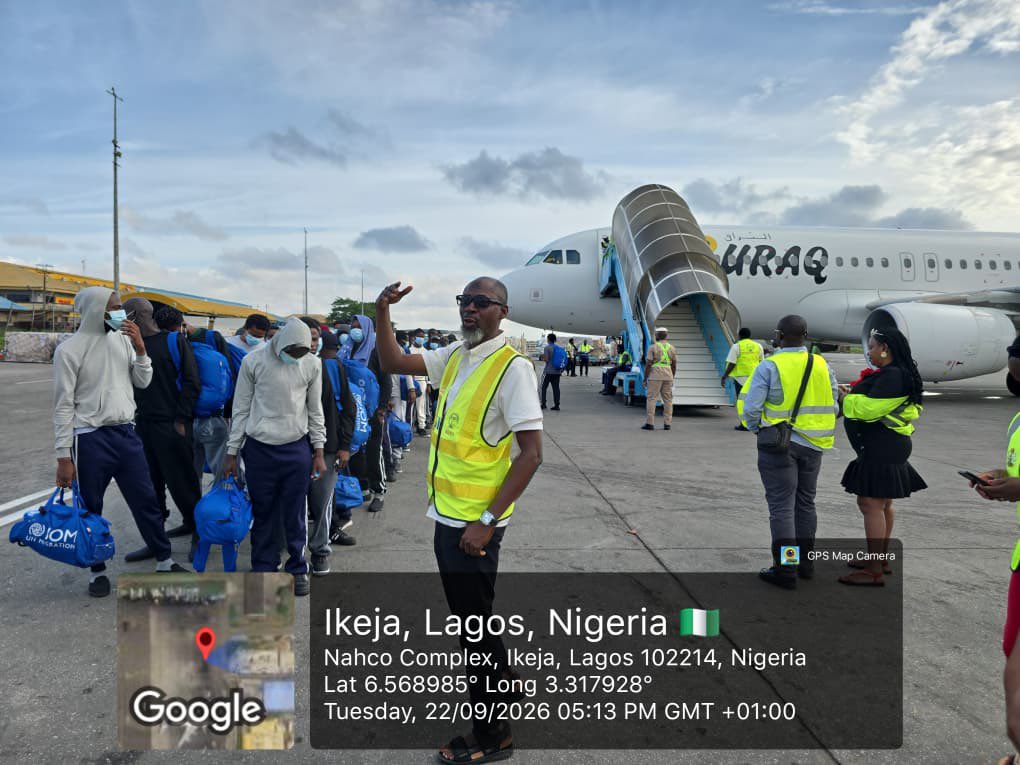
    LAGOS, Nigeria (NPA) — The National Emergency Management Agency (NEMA), Lagos Operations Office, in collaboration with the National Commission for Refugees, Migrants and Internally Displaced Persons (NCFRMI), has received 174 Nigerian returnees from Tripoli, Libya, under the Assisted Voluntary Return (AVR) Programme.

    The return exercise, coordinated by the International Organization for Migration (IOM) in collaboration with the Federal Government of Nigeria, took place on Tuesday, September 22, 2026, at the Cargo Terminal of the Murtala Muhammed International Airport, Ikeja, Lagos.

    NEMA said the returnees, all adult males, arrived at about 4:52 p.m. aboard an Air Buraq Airlines flight with registration number 5A-BAG.

    The agency said many of the returnees had endured what it described as harsh incarceration and inhumane treatment while in Libya.

    Upon arrival, officers of the Nigeria Immigration Service (NIS) conducted biometric registration and documentation to facilitate identification, record-keeping and the reintegration process.

    In a statement dated September 22, NEMA said participating agencies provided immediate humanitarian and reception support, including food and potable water, medical screening and ambulance services where required.

    Other support included luggage handling, logistics, reception coordination and counselling.

    The returnees were also linked to reintegration support programmes aimed at assisting their transition back into their communities.

    NEMA said the reception exercise was successfully completed, with participating agencies providing the necessary assistance to the returnees upon arrival.

  • Abidjan hosts water governance talks ahead of first West Africa Regional Water Forum

    Abidjan hosts water governance talks ahead of first West Africa Regional Water Forum

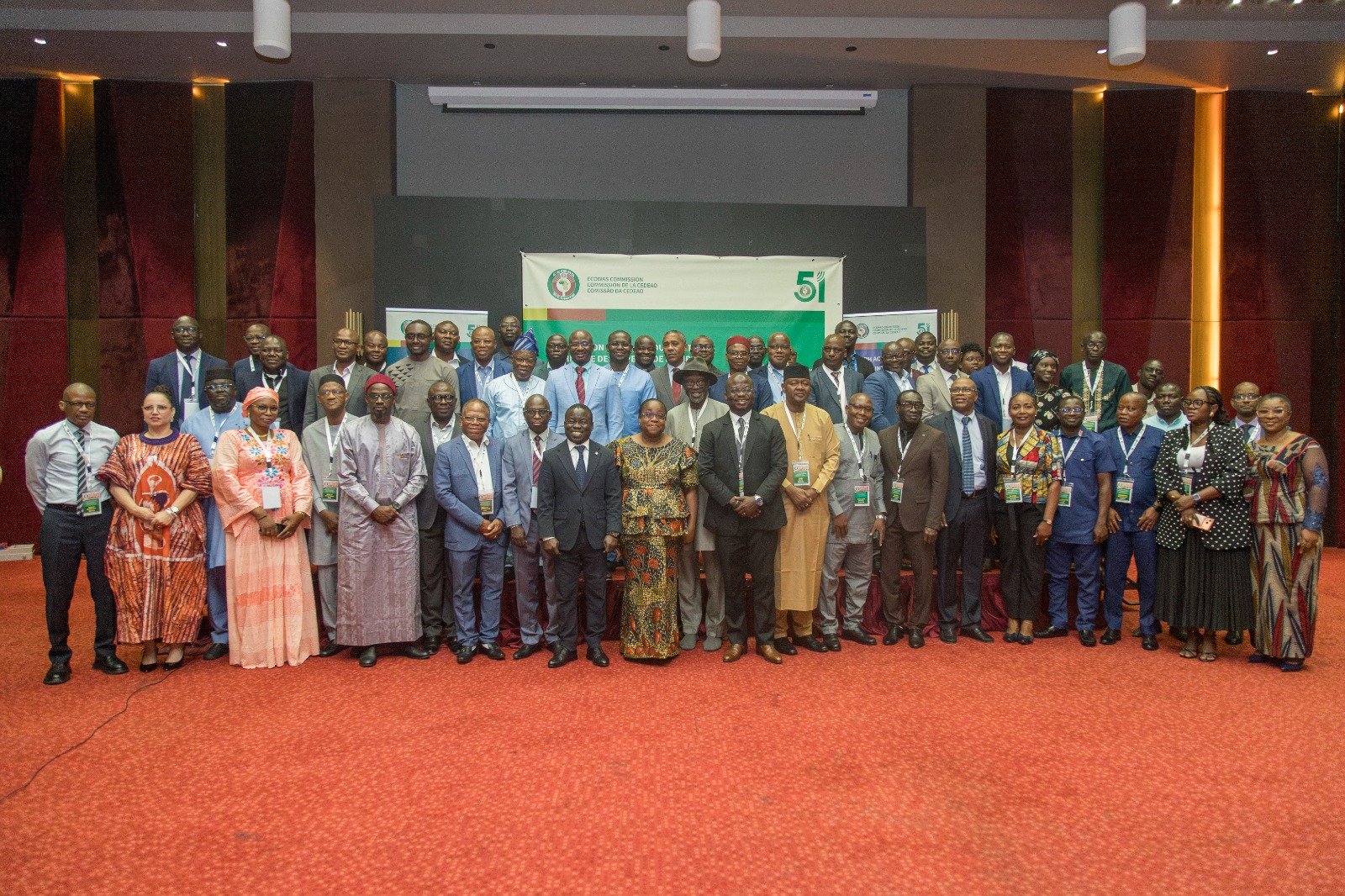
    ABIDJAN, Côte d’Ivoire (NPA) — The Economic Community of West African States (ECOWAS) has opened its 13th Ordinary Session of the Technical Experts Committee of the Permanent Framework for Coordination and Monitoring of Integrated Water Resources Management (IWRM) in Abidjan.

    The session, which began on September 22, 2026, brought together representatives of ECOWAS member states, regional institutions, development partners and civil society to assess progress in regional water governance and formulate recommendations for the 6th Ordinary Session of the Ministerial Monitoring Committee.

    According to an ECOWAS statement issued on September 22, the meeting is a key preparatory step towards the First West Africa Regional Water Forum (FREAO), scheduled for September 24–25 in Abidjan under the theme, “Valuing Water to Transform West Africa.”

    The regional body said the forum is expected to focus on strengthening transboundary water cooperation, accelerating the implementation of regional water policies, mobilising sustainable financing and advancing progress towards Sustainable Development Goal 6 on clean water and sanitation.

    The technical session was opened by Conservateur Général Elvire-Joëlle Zouzou épouse Mailly on behalf of Côte d’Ivoire’s Minister of Water and Forests, Jacques Assahoré Konan.

    Speaking on behalf of ECOWAS, the West African Economic and Monetary Union (UEMOA) and the Permanent Interstate Committee for Drought Control in the Sahel (CILSS), Director of the ECOWAS Water Resources Management Centre, Kouassi Kouakou Alexis, underscored the strategic importance of integrated water resources management to regional integration, resilience and sustainable development.

    The meeting is chaired by Senegal through Dr Bacary Fatty.

    Dr Boluwaji Onobolu, President of the Sub-Regional Consultative Council on Water Resources (CRCE), called for stronger participation by civil society, women and young people in regional water governance.

    The recommendations adopted by the technical experts will be submitted to the 6th Ordinary Session of the Ministerial Monitoring Committee and subsequently considered during FREAO.

    The first West Africa Regional Water Forum is expected to bring together ministers, technical experts, development partners and other stakeholders to discuss the next phase of the region’s water governance agenda.

  • Lagos orders evacuation of flood-prone communities as NiHSA issues seven-day alert

    Lagos orders evacuation of flood-prone communities as NiHSA issues seven-day alert

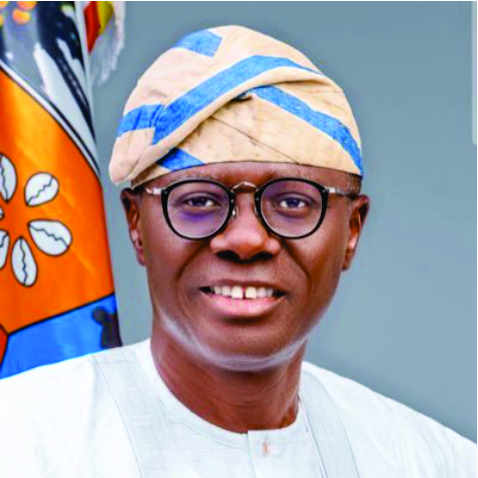
    LAGOS, Nigeria (NPA) — The Lagos State Government has directed residents living in low-lying and flood-prone communities to relocate temporarily to higher ground following a new seven-day flood alert issued by the Nigerian Hydrological Services Agency (NiHSA).

    The NiHSA alert, identified as NFA-2026-2022 and issued over the weekend, covers Lagos and 14 other states.

    In a statement on Sunday evening, Commissioner for the Environment and Water Resources Tokunbo Wahab said the state had intensified monitoring across identified vulnerable locations and other riverine, low-lying and flood-prone communities.

    Areas identified as vulnerable include Eti-Osa, Lagos Island Local Government Area, Oke-Ira Nla in Ajah, Kirikiri near the seaport, Ilaje Waterfront Jetty and Jetty Terminal B, among others.

    Wahab urged residents in vulnerable communities not to wait until floodwaters rise before taking action, stressing that early preparation and temporary relocation could prevent loss of life and property.

    He advised residents in flood-prone areas to move to higher ground and remain there until the peak of the resurgent rainy season had passed.

    “We are urging Lagosians, particularly those living in flood-prone and low-lying areas, not to take this warning lightly. When the signs point to danger, the safest decision is to move early. No property is worth risking a life,” Wahab said.

    The commissioner said Lagos typically experiences a second phase of the rainy season from September, characterised by increased rainfall, rising water levels and tidal influences that can worsen flooding in vulnerable locations.

    He advised residents living near rivers, lagoons, wetlands, drainage channels and other water bodies to remain vigilant and comply with safety advisories issued by relevant government agencies.

    Wahab specifically urged communities along the Ogun River and other major waterways to exercise heightened caution, noting that rainfall intensity and water levels in connected upstream river systems could affect downstream conditions in Lagos.

    He listed Isheri North, Kara, Itowolo, Ajegunle, Majidun, Ogolonto, parts of Agboyi and other settlements downstream of Isheri Olofin among areas that should remain on high alert between September 19 and 25.

    According to the NiHSA report, rising river levels could cause flooding in vulnerable communities and affect critical facilities, including schools, healthcare centres, markets, farms and places of worship.

    Wahab called on affected local governments, emergency management agencies, community leaders and residents to activate early-warning and response mechanisms and ensure that people, livestock and valuable possessions are moved to safer locations where necessary.

    He said the state government would continue to monitor river levels, rainfall patterns and other hydrological developments in collaboration with relevant federal agencies.

    He added that routine cleaning, maintenance and monitoring of drainage infrastructure across the state would also continue.

    The commissioner appealed to residents to support flood mitigation efforts by refraining from dumping refuse into drains, canals and waterways, noting that blocked drainage channels could worsen flooding and delay the recession of floodwaters.

    He also cautioned residents against walking or driving through flooded roads, bridges and fast-moving water, urging those in vulnerable areas to make temporary relocation arrangements whenever official warnings indicate an imminent threat.

    Wahab stressed that the protection of lives and property remained the government’s foremost priority and urged residents to treat flood forecasts as critical safety information requiring prompt action.

    He assured Lagosians that the state government would continue to deploy measures to reduce flood risks and provide timely updates as the situation evolves.

    He urged residents to remain calm, vigilant and responsive to official advisories.

  • US Mission Nigeria urges visa applicants to check appointment details

    US Mission Nigeria urges visa applicants to check appointment details

    ABUJA, Nigeria (NPA) — The U.S. Mission Nigeria has urged visa applicants with scheduled appointments at the U.S. Embassy in Abuja to check their email for specific guidance and confirm their appointment date and time, as some appointments may have changed.

    In a statement on Monday, the mission said applicants affected by the recent realignment of visa interview appointments should follow the instructions provided in their email.

    “Have a scheduled appointment at the U.S. Embassy in Abuja?

    “Please check your email for specific guidance for visa applicants affected by the realignment and to verify your date and appointment time as it may have changed,” the mission said.

    The U.S. Mission Nigeria had in August 2026 announced the realignment of visa interview appointments, with routine nonimmigrant visa processing consolidated in Lagos and such services discontinued in Abuja.

    The mission said the move was aimed at strengthening national security, ensuring uniform screening and improving efficiency.

    Abuja continues to provide American Citizen Services but no longer handles routine nonimmigrant visa interviews.

    The change means applicants outside Lagos may face additional travel costs when attending visa interviews.

  • No plan to increase electricity tariff, says Power Minister

    No plan to increase electricity tariff, says Power Minister

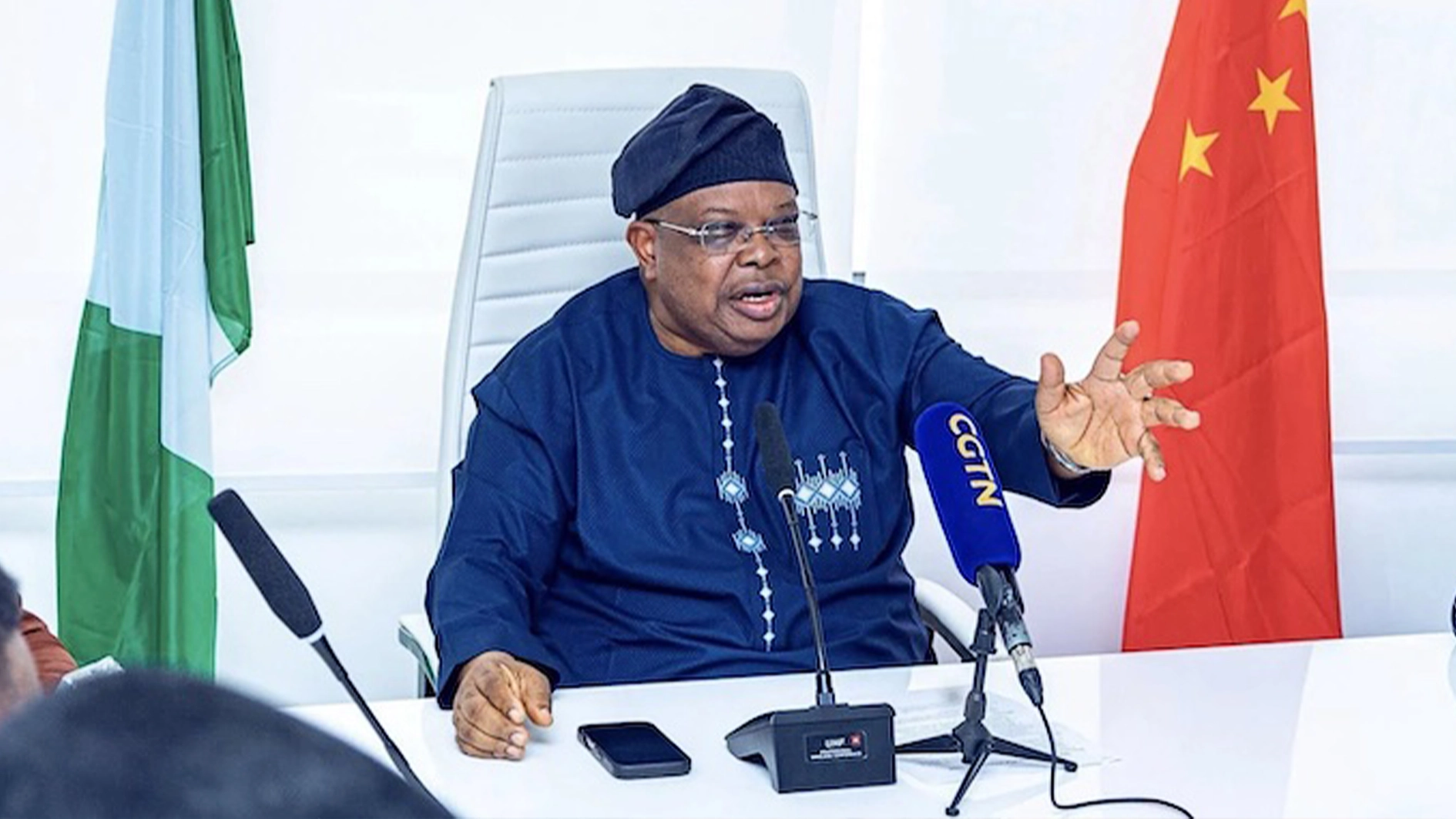
    ABUJA, Nigeria (Agency Report) — The Minister of Power, Mr Joseph Tegbe, has assured Nigerians that the Federal Government has no immediate plan to increase electricity tariffs.

    Tegbe gave the assurance in Abuja on Monday while briefing Power Correspondents on his first 100 days in office.

    He said the administration of President Bola Tinubu was focused on stabilising the electricity value chain, restoring market discipline and strengthening governance in the power sector rather than increasing the financial burden on consumers.

    Tegbe, who assumed office on June 8, said his first 100 days had been devoted to diagnosing and stabilising the power sector.

    “Upon assuming office, the diagnosis we undertook at the onset revealed constraints at every segment of the electricity value chain. Gas supply to power stations was limited by damaged pipelines and commercial terms that discouraged investment.

    “Our generation fleet was heavily dependent on thermal plants, with ageing equipment, deferred maintenance, stalled projects and capacity unable to reach consumers.

    “The sector diagnosis revealed payment of only 27 per cent of generation companies’ bills, undermining their ability to maintain plants and pay gas suppliers,” he said.

    The minister said the transmission network was also affected by vandalised towers and lines, overstretched equipment and frequent tripping.

    He said the distribution segment suffered aggregate technical, commercial and collection losses of between 30 per cent and 40 per cent, alongside inadequate metering, estimated billing, damaged assets and weak payment discipline.

    Tegbe, however, listed some gains recorded between June 8 and September 16, including the restoration of the 375-megawatt Alaoji open-cycle power plant after three years offline.

    He said substations at Apapa, Ijora, Alausa and Lekki in Lagos had also been upgraded, unlocking 672MW, while the installation of a new 300MVA transformer at Katampe, Abuja, had unlocked an additional 240MW.

    According to the minister, electricity generation and transmission had risen above 5,000MW in recent weeks, compared with between 3,700MW and 4,700MW before June, with a peak of 5,330MW recorded in August and September.

    He also disclosed that more than 300 containers of Transmission Company of Nigeria (TCN) equipment had been released from the ports.

    Tegbe said two solar and mini-grid installations across 30 states had delivered 43.6MW and facilitated 41,735 new connections.

    He added that 350,000 meters had been installed within 100 days, bringing the cumulative figure to 1,004,260 as of August, while 90,000 meters had been installed in military formations.

    The minister further said an estimated N1.23 trillion had been raised towards settling the N3.3 trillion legacy debt owed by the power sector to generation companies.

    Tegbe said the next six months would focus on deepening grid stabilisation along the Lagos, Enugu-Port Harcourt and Abuja-Kaduna-Kano corridors.

    He said the government would also develop the transmission super grid, link electricity supply to productive clusters through bilateral agreements and prepare infrastructure for future demand, including power from the Mambilla hydro project.

    The minister appealed to Nigerians to support the ongoing reforms and help protect power infrastructure from vandalism and theft.

    “Our commitments remain clear: a disciplined approach, grid stability through strategic reform, visible improvements in electricity supply, and honest communication,” he said.

    (NAN)

  • JUST IN: Utomi warns against rising political violence ahead of 2027 elections

    JUST IN: Utomi warns against rising political violence ahead of 2027 elections

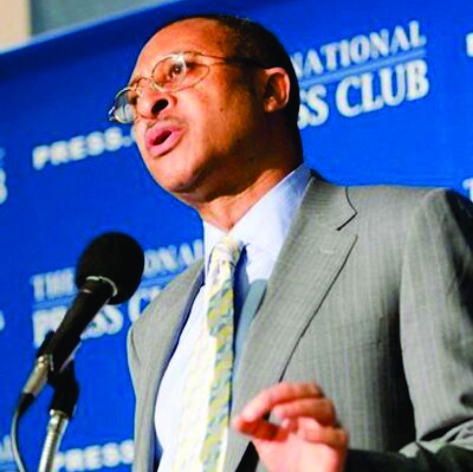
    ABUJA, Nigeria (NPA) — Professor Pat Utomi, a professor of political economy, management expert, entrepreneur and public intellectual, has expressed concern over reported incidents of political violence across Nigeria ahead of the 2027 general elections.

    In a statement issued on Saturday, Utomi drew the attention of political actors to the dire consequences of political violence and what he described as attempts to suppress opposing voices.

    He also drew parallels with the political crisis that preceded the end of Nigeria’s First Republic, urging politicians to reflect on the consequences of violence and intolerance in the country’s political history.

    “Is this how democracy ends in Nigeria?” Utomi asked.

    He recalled the violence associated with Operation Wetie in Western Nigeria during the First Republic, saying few of those who planned the violence anticipated that it would contribute to the collapse of the republic.

    Utomi also referred to the aftermath of the 2020 #EndSARS protests, saying that in 2023, the consulate of a global power whose head had witnessed the violence first-hand ordered psychotherapy support for its Nigerian staff.

    He said recent incidents involving opposition politicians and political groups should raise concerns about the future of democracy in Nigeria.

    “Now Peter Obi has been prevented from entering Benue State by force, attacked in Edo State and violence has come to the fore in Delta State,” he said.

    “These states were comprehensively dominated by Peter Obi in 2023. Is democracy now about muffling the voice of the people?”

    Obi’s convoy was blocked by a group of youths in Benue State on September 8 while he was travelling to Yelwata to visit families affected by the 2025 attacks. Obi described those involved as thugs, while the Benue State Government denied involvement and said it was unaware of the visit. The police confirmed the obstruction and said investigations were ongoing.

    Utomi questioned why politicians who, in his view, lack broad public support would seek to govern people who hold different political preferences.

    “Why do unpopular politicians insist on governing those who want differently? Why do we get surprised when the outcome is the road to Sudan or Somalia?” he asked.

    He further expressed concern about what he described as the inability of some African political elites to consider the long-term consequences of their actions.

    “Psychiatrists have a lot of work to do on politicians in Africa and on the fickleness of elite who cannot gauge their own long-term best self-interest. The world continues to mock us,” he said.

    His comments come amid other reported incidents involving political groups ahead of the 2027 elections.

    In Enugu State, police recently ordered investigations into separate incidents involving the reported disruption of meetings of the Nigeria Democratic Congress (NDC) and the Peoples Democratic Party (PDP) in Nkanu West Local Government Area. Police said gunfire during an NDC meeting reportedly left two people injured, while another political gathering was disrupted.

    Following the developments was Thursday’s killing of APC chieftain Prince Ikechukwu Oloto in Nsukka Local Government Area, which the Enugu State Police Command said was under investigation.

    The circumstances and motives behind the various incidents remain subject to investigation, and no link between them has been established.

    Utomi’s warning comes as political parties and their candidates intensify preparations and mobilisation ahead of the 2027 general elections.

  • BREAKING: SERAP urges UN intervention over deaths in NSCDC custody, Minna protests

    BREAKING: SERAP urges UN intervention over deaths in NSCDC custody, Minna protests

    ABUJA, Nigeria (NPA) — The Socio-Economic Rights and Accountability Project (SERAP) has called on four United Nations (UN) Special Rapporteurs to urgently intervene over the reported deaths of 37 persons in the custody of the Nigeria Security and Civil Defence Corps (NSCDC) in Niger State and the reported use of lethal force against protesters in Minna.

    According to SERAP, the 37 persons were reportedly arrested on September 15 and 16, 2026, during NSCDC operations targeting suspected illegal and artisanal mining activities in the M.I. Wushishi and Lukoto areas of Niger State before being detained in Minna.

    The organisation said the deaths were reported on September 17, prompting protests in Minna on September 18.

    SERAP alleged that security forces used excessive force against protesters, resulting in reported deaths and serious injuries.

    It, however, noted that the circumstances surrounding both the deaths in custody and the subsequent use of force against protesters remained to be independently established.

    SERAP urged the UN to demand answers from the Nigerian authorities and ensure that the circumstances surrounding the deaths of the 37 detainees and the reported use of lethal force against protesters were fully established.

    The organisation said every death or serious injury in police custody should be promptly, thoroughly, independently, impartially, transparently and effectively investigated, with perpetrators identified and brought to justice where wrongdoing was established.

    SERAP said any loss of life resulting from excessive use of force without strict compliance with international human rights standards, including the principles of necessity and proportionality, would constitute an arbitrary deprivation of life and be unlawful.

    It called for urgent international scrutiny of the reported deaths in custody and the subsequent use of lethal force against protesters.

    SERAP said Nigerian authorities had a responsibility to establish the truth, protect the right to peaceful protest, ensure accountability for unlawful conduct and provide effective remedies to victims and their families.

  • IGP Disu visits Niger over deaths of 37 miners in NSCDC custody, pledges thorough investigation

    IGP Disu visits Niger over deaths of 37 miners in NSCDC custody, pledges thorough investigation

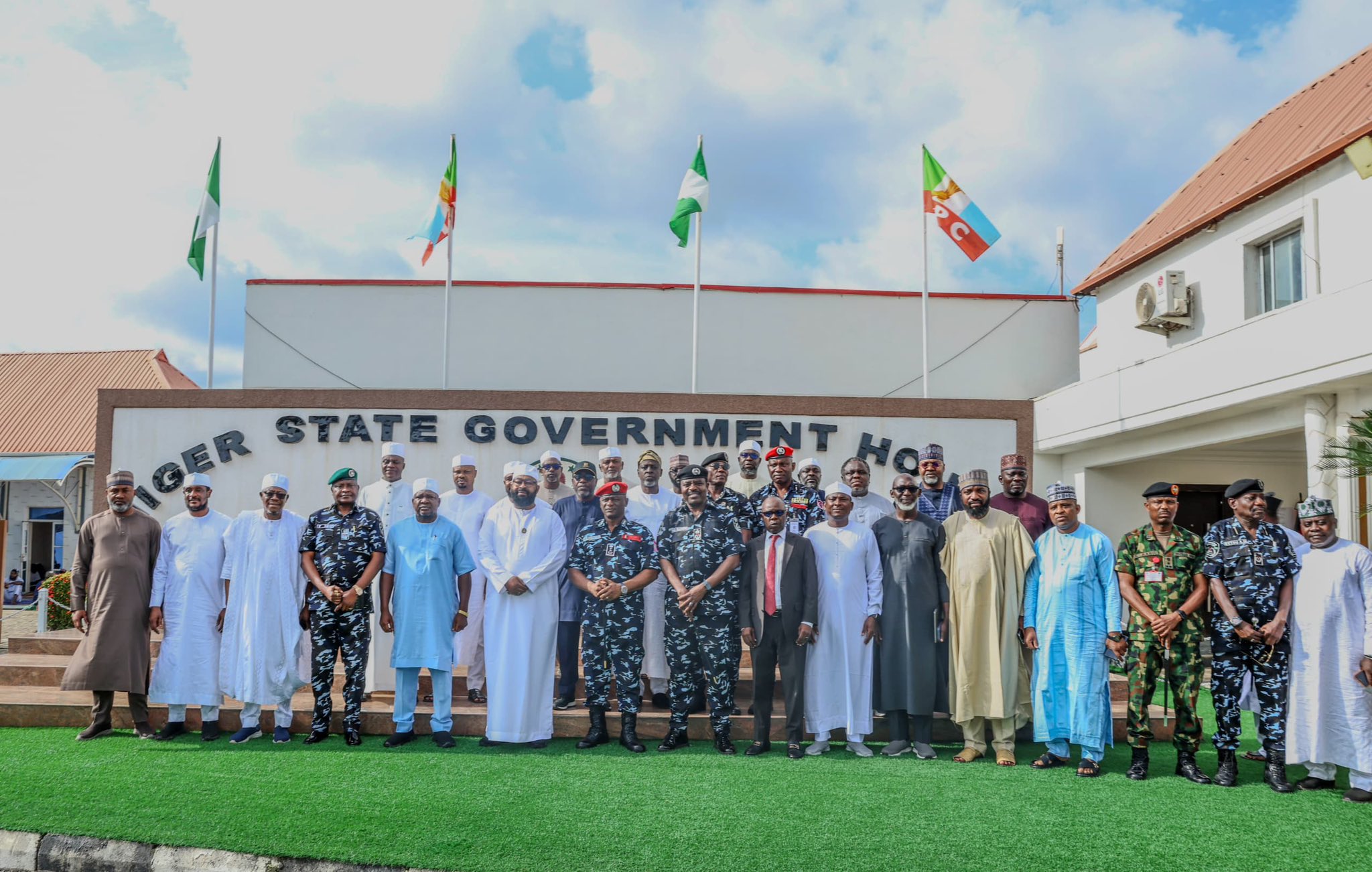
    MINNA, Nigeria (NPA) — The Inspector-General of Police, IGP Olatunji Rilwan Disu, on Friday visited Niger State following the deaths of 37 suspected illegal miners in the custody of the Nigeria Security and Civil Defence Corps (NSCDC).

    The IGP paid a condolence visit to the state on September 18, 2026, amid national concern over the deaths of the suspects, who were reportedly arrested over alleged illegal mining activities.

    On arrival, Disu was received by the Niger State Governor, Muhammad Umar Bago, alongside other dignitaries and heads of security agencies in the state.

    According to a statement signed by the Force Public Relations Officer, CSP Ani Iniedu, the IGP described the incident as a tragedy requiring urgent action and assured the governor and residents that the police would leave no stone unturned in establishing the circumstances surrounding the deaths.

    Disu called for close cooperation with the NSCDC leadership in the state and the committee constituted by the state government to investigate the incident.

    He said deaths in lawful custody constituted a grave matter, particularly as the circumstances surrounding the deaths had yet to be established.

    Governor Bago thanked the IGP for the prompt intervention and condolence visit, saying the deceased, who were arrested a day earlier over suspected illegal mining, were found dead while in NSCDC custody.

    The governor said the incident had caused serious unrest in the state and that necessary measures were being taken to ensure a thorough investigation.

    He said forensic examinations and autopsies were expected to assist in determining the cause of death, while pledging the full support of the Niger State Government to relevant security agencies.

    The IGP appealed to residents, particularly the families of the deceased, to remain calm and law-abiding, warning that violence could further complicate the situation.

    He assured them that the investigation would be conducted in accordance with the rule of law, due process, transparency and respect for human rights.

    The Nigeria Police Force reiterated its commitment to upholding the rule of law, protecting lives and property, and safeguarding the rights and safety of people in lawful custody.

    The Force said it would continue to collaborate with relevant authorities in the investigation.

    Earlier, Newpost Africa reported that President Bola Ahmed Tinubu had ordered a full and transparent investigation into the deaths.

    The presidential candidate of the Nigeria Democratic Congress (NDC), Mr Peter Obi, also called for urgent answers on the circumstances surrounding the deaths, saying the deceased remained entitled to humane treatment while in custody.