Category: News

  • SERAP urges Tinubu to probe alleged ₦78.8bn cash transfer irregularities

    SERAP urges Tinubu to probe alleged ₦78.8bn cash transfer irregularities

    LAGOS, Nigeria (NPA) — The Socio-Economic Rights and Accountability Project (SERAP) has urged President Bola Tinubu to direct the Ministry of Humanitarian Affairs and Poverty Reduction, the National Cash Transfer Office (NCTO) and the National Social Safety Nets Coordinating Office (NASSCO) to account for more than ₦78.8 billion in public funds reportedly diverted, unaccounted for or irregularly spent.

    SERAP’s demand was contained in a letter dated Sept. 5, 2026, and signed by its Deputy Director, Kolawole Oluwadare, following findings contained in the 2024 Annual Report of the Auditor-General of the Federation, published on Aug. 7, 2026. The audit findings covered transactions spanning different periods between January 2023 and December 2024.

    The organisation urged Tinubu to direct the Ministry and NCTO to publish the complete records and audit trail of ₦33.751 billion in cash transfers made in 2023, including beneficiary details, payment records, verification, authorisations and reconciliation.

    It also called for an explanation over the failure to provide REMITA records required to authenticate the payments and establish whether beneficiaries were genuine and eligible.

    SERAP further urged the government to account for ₦36.744 billion reportedly paid without prepayment audit, ₦4.616 billion in expenditures without adequate supporting documentation, ₦350.182 million disbursed for the enrolment of unbanked beneficiaries, ₦89.511 million spent on store items and ₦17.422 million advanced to staff for diesel purchases.

    The organisation also cited ₦280.42 million paid as mobilisation and advance payments to payment service providers without an Advance Payment Guarantee, as well as ₦393.71 million in unutilised funds reportedly disbursed to nine states for beneficiary enrolment activities.

    According to SERAP, the Auditor-General found no evidence that the latter funds, which the NCTO reportedly said had been returned to the Treasury, were credited to the Consolidated Revenue Fund.

    SERAP urged relevant anti-corruption agencies to investigate ₦76.24 billion in questionable and unaccounted-for expenditures at NCTO and ₦2.55 billion at NASSCO, and recover any public funds found to have been improperly spent, diverted, misapplied or lost.

    It also called for the publication of a clear recovery schedule showing the amount recovered, date of recovery, responsible institution and Treasury account into which each recovered sum was remitted.

    “Every naira identified in the report must be properly accounted for,” SERAP said, adding that anyone found responsible should be sanctioned and prosecuted where sufficient admissible evidence is established, regardless of status or position.

    The organisation said the Auditor-General’s findings raised concerns over missing payment and procurement records, inadequate beneficiary documentation, payments for goods and services that could not be verified, and failures to conduct required financial checks.

    SERAP also highlighted NASSCO transactions questioned in the audit, including ₦2.24 billion reportedly paid through 158 vouchers without prepayment audit, ₦44.55 million for laptops allegedly not delivered or entered in the store ledger, ₦19.76 million for advertisements without evidence of publication and ₦141.01 million paid to two contractors for software without NITDA clearance.

    The rights group said Nigerians have a right to know how funds allocated for social protection programmes were disbursed and whether intended beneficiaries received the money.

    SERAP gave the Federal Government seven days to act on its demands, warning that it could pursue legal action, including proceedings before the ECOWAS Court and the World Bank Accountability Mechanism, if the government fails to respond.

    The organisation maintained that transparent accounting and recovery of any misused funds were necessary to protect public confidence in Nigeria’s social protection programmes and ensure that resources meant for vulnerable Nigerians reach their intended beneficiaries.

  • Ebonyi Govt offers free CAC registration for small businesses

    Ebonyi Govt offers free CAC registration for small businesses

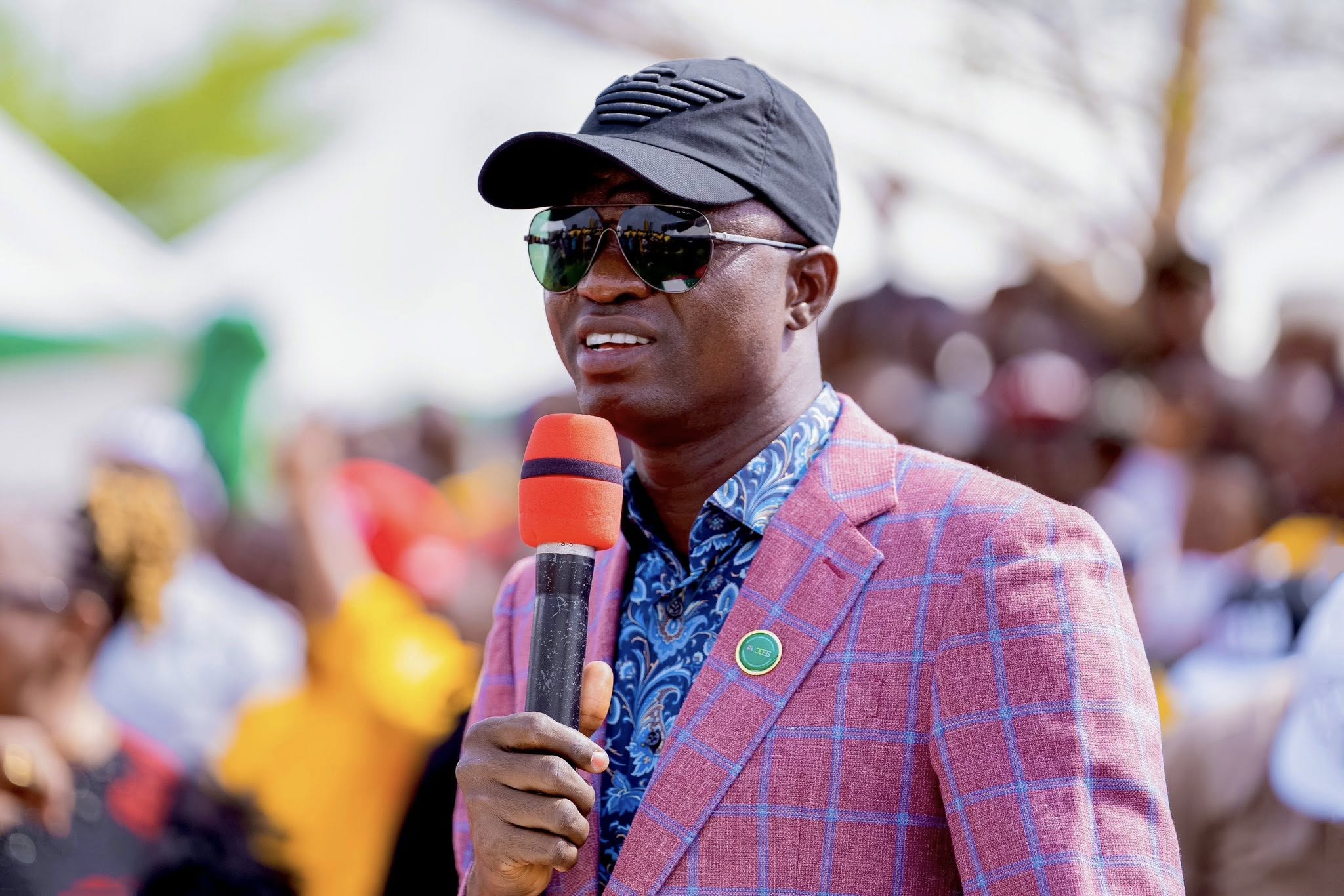
    ABAKALIKI, Nigeria (NPA) — The Ebonyi State Government has launched a programme to support small and medium-scale businesses in the state by providing free registration with the Corporate Affairs Commission (CAC).

    The initiative is aimed at helping businesses operating informally to obtain legal recognition and gain access to opportunities such as finance, grants and other sector-specific funding provided by the state, Federal Government and international development partners.

    The intervention is expected to strengthen the formal business structure in the state, improve access to funding and contribute to the growth of Ebonyi’s economy and Gross Domestic Product (GDP).

    According to a flyer announcing the scheme, released on Sept. 4 by Leo Ekene Oketa, Special Assistant to the Governor on New Media, the initiative is titled “Get Free CAC Registration: Taking Ebonyi Businesses from Informal to Formal.”

    The programme is being implemented through the Ebonyi State Small and Medium Enterprises Development Agency (EBSMEDA).

    The statement said the initiative was designed to give entrepreneurs a stronger foundation to operate, access opportunities and grow their businesses with greater confidence.

    “Starting and growing a business is easier when the right support is available. That is why the Ebonyi State Government, through EBSMEDA, is once again providing FREE CAC registration for businesses in the State.

    “Simply, this is formalising a business, giving entrepreneurs a stronger foundation to operate, access opportunities and grow with greater confidence.

    “It is another practical intervention by the administration of Governor Francis Ogbonna Nwifuru to remove some of the barriers facing Ebonyi entrepreneurs and make it easier for small businesses to thrive,” the statement said.

    The scheme is open to entrepreneurs and businesses seeking to register as a Limited Liability Company (LLC).

    Applicants are required to provide a passport photograph, a valid means of identification such as NIN, international passport, driver’s licence or voter’s card, as well as a scanned signature.

    Applicants must also provide their full name, date of birth, gender, phone number, residential address, Local Government Area and state of origin, email address, occupation and NIN.

    For company registration, applicants are required to provide three proposed business names, business address and state, nature or description of the business and shareholding structure, where applicable.

    The state government said the intervention reflected its commitment to removing barriers to entrepreneurship and creating an enabling environment for businesses to thrive.

    “A government that supports business is a government investing in the people,” the statement said.

    It added that the initiative was being implemented under the People’s Charter of Needs of the Nwifuru administration.

    Interested entrepreneurs have been directed to visit the Staff Development Centre, behind St. Patrick’s Catholic Church, Abakaliki, for further enquiries.

  • Ebonyi women conclude 2026 August Meeting as First Lady celebrates women’s contributions

    Ebonyi women conclude 2026 August Meeting as First Lady celebrates women’s contributions

    ABAKALIKI, Nigeria (NPA) — Women across Ebonyi State have concluded the 2026 edition of their annual August Meeting in a grand finale organised by the First Lady of the state, Chief Mrs Uzoamaka Mary-Maudline Nwifuru. The event recognises the resilience, strength and contributions of Ebonyi women to their families, communities and the development of the state.

    The Grand Finale of the 2026 Ebonyi August Meeting brought together women from across the state in a colourful celebration of unity, culture, enterprise and women’s participation in community and national development.

    In a statement titled “When Women Rise, Communities Rise,” the Special Assistant to the Governor on New Media, Leo Ekene Oketa, described the occasion as a celebration of the strength, resilience and enduring contributions of the Ebonyi woman.

    Oketa said the event also provided an opportunity to recognise the role of the First Lady in promoting the welfare, empowerment and development of women and vulnerable persons across the state.

    “Today, Ebonyi women come together in their beautiful colours, their strength, their unity and their unmistakable spirit to celebrate the Grand Finale of the 2026 Ebonyi August Meeting,” he said.

    “And there is indeed so much to celebrate.

    “We celebrate the Ebonyi woman — resilient, hardworking, compassionate, enterprising and strong. The woman who carries the weight of her family, contributes to her community, pursues her dreams and, in spite of life’s challenges, continues to rise.”

    Oketa paid tribute to the First Lady, describing her as a compassionate advocate whose initiatives have continued to support women, widows, young girls and vulnerable persons across Ebonyi State.

    He said Chief Mrs Nwifuru had continued to remind women that they matter, that their dreams are valid and that their wellbeing remains important.

    “From providing homes for indigent persons and widows, to empowering women financially and equipping them with skills for sustainable livelihoods; from standing up for the rights and dignity of young girls and women to supporting initiatives that promote their health and wellbeing, Her Excellency has quietly but powerfully invested in the strength of Ebonyi women,” he said.

    According to him, the First Lady has used her position to create opportunities, restore dignity, strengthen families and encourage women to believe in themselves and their potential.

    “She does not seek to shine above them; she helps them shine,” Oketa said.

    He also pointed to what he described as the growing participation of women in leadership and governance in Ebonyi State.

    According to him, the state now has a female Deputy Governor, while women also occupy key positions, including the offices of Secretary to the State Government and Head of Service, as well as several commissioner positions and leadership roles in government agencies and boards.

    Women are also serving as Vice Chairmen of Local Government Areas and occupying other strategic positions across the state.

    Oketa said the growing representation reflected increasing confidence in the capacity of Ebonyi women to contribute effectively to leadership, governance and public service.

    He added that the celebration went beyond the First Lady or the August Meeting itself, describing it as a recognition of the collective strength of women and the importance of women supporting one another.

    “It is a celebration of the mothers who raised us, the wives who stand beside us, the daughters who represent our future, the widows who continue to persevere, the entrepreneurs who are building businesses, the professionals who are breaking barriers and every Ebonyi woman whose strength continues to move our state forward,” he said.

    Oketa said the 2026 Ebonyi August Meeting Grand Finale was also an opportunity to celebrate women who are making a difference today while inspiring the next generation of girls and women.

    “When Ebonyi women shine, Ebonyi shines,” he said.

    “Ebonyi women, today is your day. We celebrate the women who are making a difference today, thereby inspiring the girls who will carry the torch tomorrow..”

  • ICYMI: FBI confirms Tinubu was subject of US criminal investigation

    ICYMI: FBI confirms Tinubu was subject of US criminal investigation

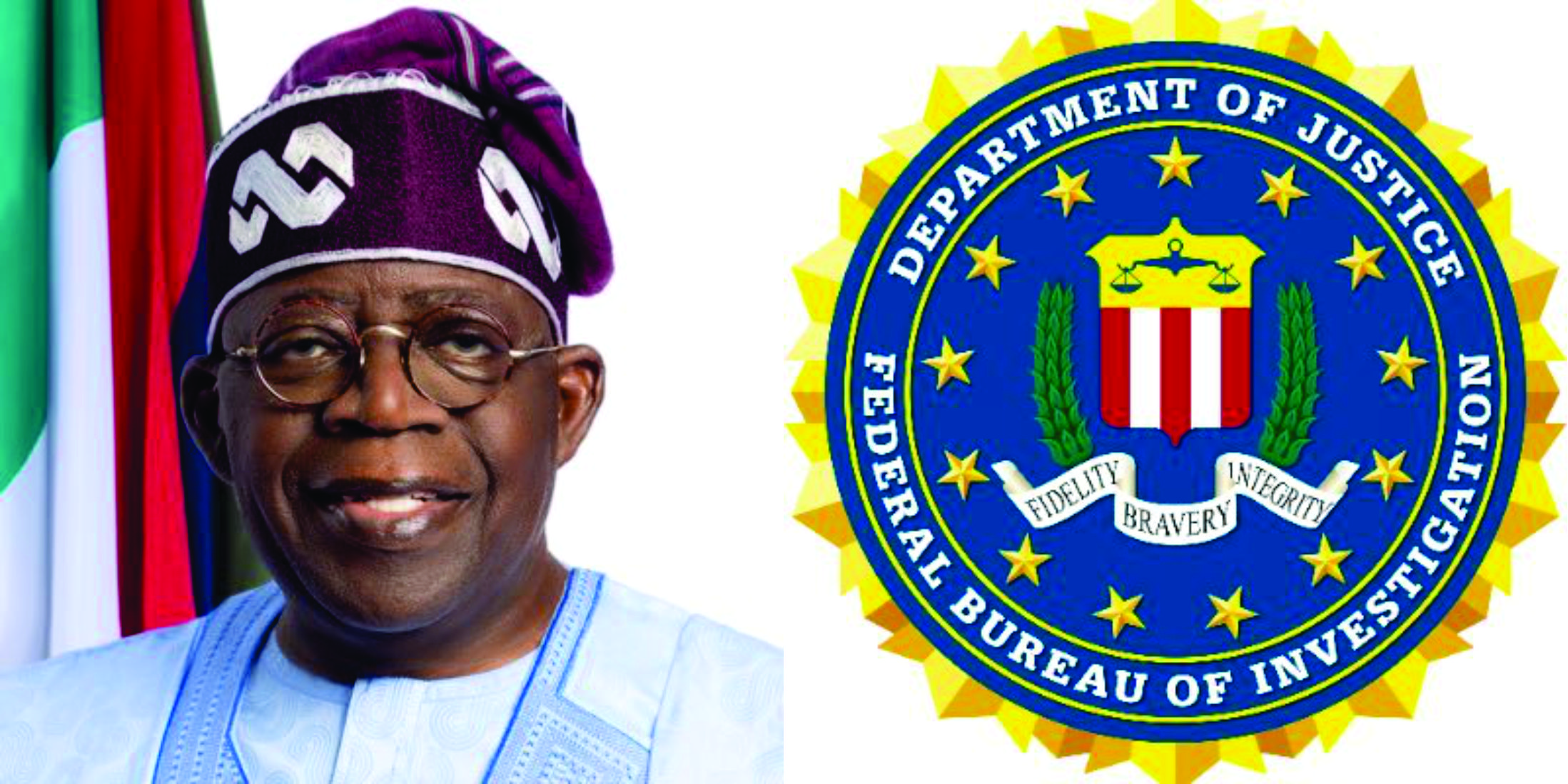
    ABUJA, Nigeria (NPA) — The United States Federal Bureau of Investigation (FBI) has confirmed in a sworn declaration that President Bola Ahmed Tinubu was the subject of a criminal investigation linked to drug-trafficking activities in the United States in the early 1990s.

    However, the existence of investigative records does not, by itself, establish that Tinubu committed a crime or was convicted of any offence.

    The FBI’s declaration, filed on August 28, 2026, forms part of an ongoing Freedom of Information Act (FOIA) lawsuit seeking access to US law enforcement records relating to the Nigerian president.

    According to reports on the filing, the FBI said the responsive records sought in the case were compiled during an investigation involving multiple individuals for alleged drug-trafficking crimes.

    The latest development follows an April 2025 ruling by Judge Beryl A. Howell of the United States District Court for the District of Columbia, which ordered the FBI and the Drug Enforcement Administration (DEA) to search for and process non-exempt records relating to FOIA requests filed by transparency activist Aaron Greenspan.

    Judge Howell ruled that the FBI and DEA could no longer rely on so-called “Glomar” responses — a procedure through which government agencies neither confirm nor deny the existence of requested records.

    The court held that the agencies had officially acknowledged that Tinubu had been the subject of an investigation and ordered them to process non-exempt records responsive to the requests.

    The FOIA requests were filed by Greenspan in connection with investigations into a Chicago-based drug-trafficking and money-laundering network operating in the early 1990s.

    While the FBI’s latest declaration confirms the existence of records connected to the investigation, the available court records do not, by themselves, establish criminal wrongdoing or amount to a conviction against Tinubu.

    Parts of the records have also remained withheld or redacted under FOIA exemptions designed to protect personal privacy, confidential sources, law-enforcement methods and other sensitive information.

    The issue has generated renewed political controversy in Nigeria, particularly as the country moves towards the 2027 general elections.

    Opposition figures and critics of the President have pointed to the FBI’s confirmation as evidence that Tinubu was the subject of a criminal investigation in the United States.

    The Presidency and Tinubu’s supporters, however, have maintained that being investigated does not amount to being found guilty, stressing that the President was not convicted of drug trafficking in the United States.

    Tinubu has also moved to oppose further disclosure of certain records, with his legal team arguing that the Freedom of Information Act should not be used as a tool to expose private information about individuals contained in government files.

    His lawyers have further argued that the 2025 court ruling requiring the FBI and DEA to acknowledge and process records did not remove Tinubu’s privacy interests in the contents of the investigative files.

    According to the legal filings, Tinubu’s team is seeking to prevent further disclosure of information it considers protected under privacy and law-enforcement exemptions.

    The controversy has again brought renewed attention to the distinction between an investigation and a criminal conviction.

    While an investigation means that law-enforcement authorities examined allegations or gathered information relating to an individual, a criminal conviction can only follow a formal judicial process in which guilt is established according to the applicable law.

    As the legal battle over the release of the remaining records continues in the United States, the political debate surrounding the documents is expected to remain a major issue in Nigeria’s increasingly charged political environment ahead of the 2027 elections.

  • Alloy Ejimakor dismisses ‘landlocked’ claim, says southeast can have seaport

    Alloy Ejimakor dismisses ‘landlocked’ claim, says southeast can have seaport

    ABUJA, Nigeria (NPA) — Special Counsel to the detained leader of the proscribed Indigenous People of Biafra (IPOB), Mazi Nnamdi Kanu, Mr Alloy Ejimakor, has dismissed claims that the Southeast or Igboland is landlocked and therefore cannot have a seaport, describing the assertion as a “terrible lie.”

    Ejimakor, in a statement issued on Wednesday titled “Landlocked or not, a seaport is possible in Southeast,” argued that several rivers and waterways in the region provide relatively short navigational routes to the Atlantic Ocean.

    According to him, some waterways, particularly those connected to the Imo and Azumiri rivers, have routes terminating at the Atlantic coastline within about 30 nautical miles.

    He compared the distances with existing Nigerian seaports, arguing that the distance between a proposed Southeast port location and the Atlantic could be shorter than the dredged waterways linking some existing ports to the ocean.

    Ejimakor cited the Port Harcourt, Onne, Calabar and Lagos ports, noting that they are connected to the Atlantic through navigational channels that require dredging.

    “It’s often said that a lie told so many times, if unchallenged, may, in the course of time, begin to pass for the truth. One of such terrible lies, institutionally purveyed since the end of the Civil War, is that Southeast or Igboland is landlocked or has no access to the sea, and thus cannot have a seaport,” Ejimakor said.

    He argued that the Southeast has numerous waterways and tributaries running through wetlands and connecting to the Atlantic waterfront.

    “These rivers and their contiguous tributaries have varying lengths of short navigational paths to the Atlantic, and in some cases, are far shorter nautically than the dredged Lagos seaports are to their contact with the Atlantic,” he said.

    Ejimakor specifically mentioned Obuaku in Abia State, which he said is about 25 nautical miles from the Atlantic through the confluence of the Imo and Azumiri rivers.

    He also identified the Azumiri River and the Oseakwa, also known as the Urashi River, in Ihiala, Anambra State, as waterways that could potentially provide access towards the Atlantic.

    The lawyer further argued that the geographical boundaries of what is historically regarded as Igboland have changed over the years.

    He referenced an account attributed to 19th-century explorer and geographer William Balfour Baikie, which described the historical extent of Igbo territories as stretching across a wider geographical area, including territories close to the coast.

    Ejimakor alleged that post-Civil War policies and subsequent boundary adjustments resulted in the loss of political control over some historically Igbo territories.

    He particularly criticised the 1976 boundary adjustment exercise, arguing that it contributed to the incorporation of some territories he described as historically part of Igboland into neighbouring states.

    However, Ejimakor maintained that parts of the present-day Southeast still possess rivers and waterways that run through adjoining territories and eventually reach the Atlantic coastline.

    He said the existence of these waterways challenges the argument that the Southeast’s geography makes the development of a seaport impossible.

    Ejimakor’s comments add to the continuing debate over infrastructure development and access to maritime facilities in Nigeria’s Southeast region.

  • Kalu felicitates Vice President Shettima on 60th birthday

    Kalu felicitates Vice President Shettima on 60th birthday

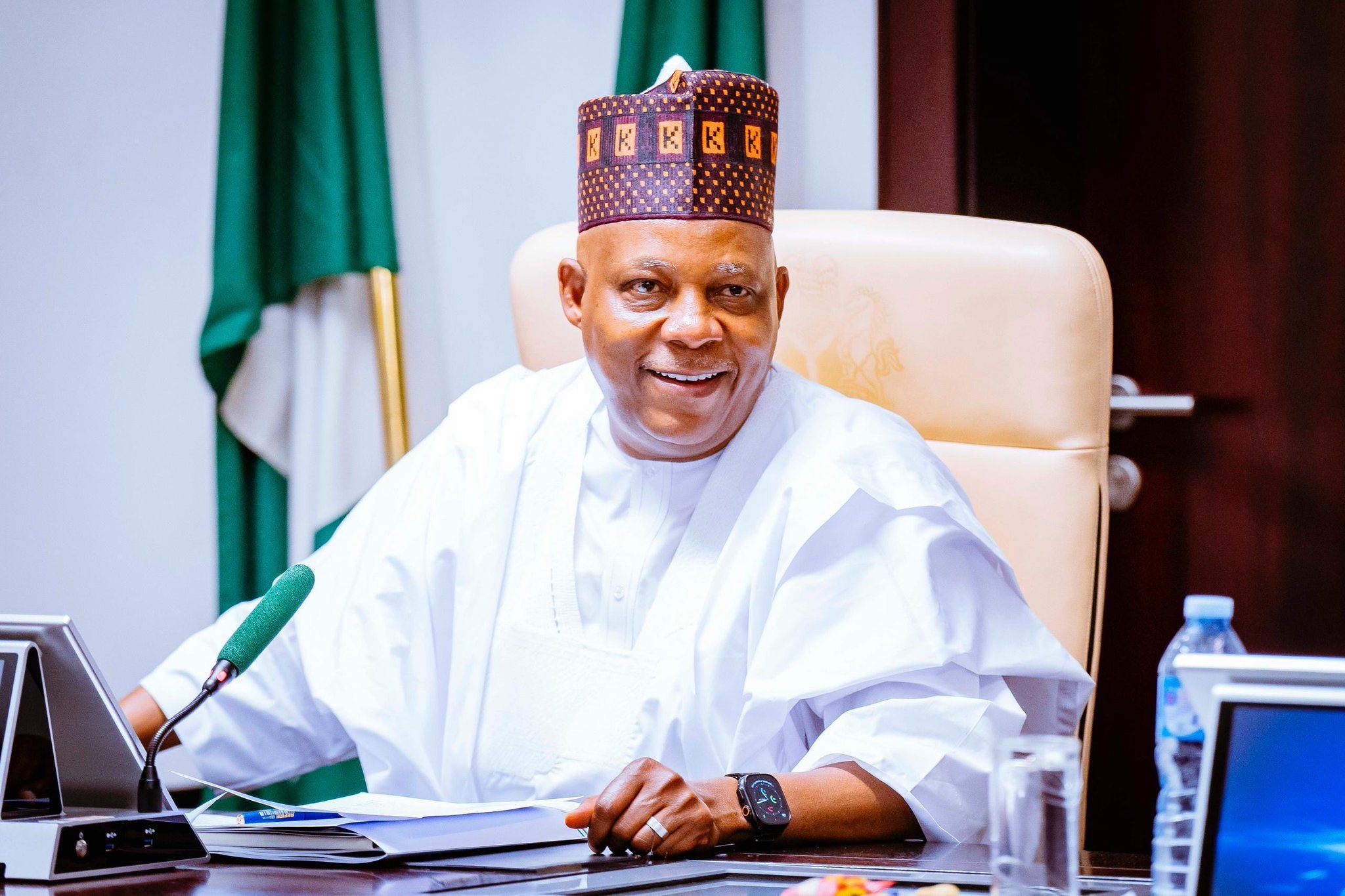
    ABUJA, Nigeria (NPA) — The Deputy Speaker of the House of Representatives, Rt. Hon. Benjamin Kalu, CFR, has congratulated the Vice President of Nigeria, Senator Kashim Shettima, GCON, on the occasion of his 60th birthday.

    In a congratulatory statement issued on Wednesday, Kalu described the Vice President as a patriot and public servant whose life has been defined by commitment to humanity, national service and the progress of Nigeria.

    “I extend warm felicitations to His Excellency, Senator Kashim Shettima, GCON, Vice President of the Federal Republic of Nigeria, as he marks his 60th birthday,” Kalu said.

    “Today, I celebrate a patriot and public servant whose life has been defined by a profound commitment to humanity, national service and the progress of our nation.”

    The Deputy Speaker said Shettima’s journey through public service, from his time as a commissioner to serving as a two-term governor, senator and now Vice President, reflects experience, leadership and dedication to public service.

    Kalu also praised Shettima’s role as Vice President and Chairman of the National Economic Council, saying he has continued to contribute his experience towards strengthening collaboration across different levels of government.

    “As Vice President and Chairman of the National Economic Council, you continue to bring your wealth of experience to the service of our country, nurturing collaboration across levels of government and contributing to the pursuit of an economy that works for the people,” he said.

    Kalu said the Vice President’s 60th birthday was an opportunity to celebrate his years of public service, the experience gained over the years and the possibilities ahead.

    “At 60, I celebrate the journey behind you, the wisdom gained through years of service, and the greater possibilities that lie ahead,” he said.

    The Deputy Speaker prayed for continued good health, wisdom, strength and grace for the Vice President as he continues to carry out his national responsibilities.

    “May Almighty God continue to grant you sound health, wisdom, strength and grace as you carry the weight of national responsibility.

  • JUST IN: SERAP urges Tinubu, DSS to withdraw charges against Sowore

    JUST IN: SERAP urges Tinubu, DSS to withdraw charges against Sowore

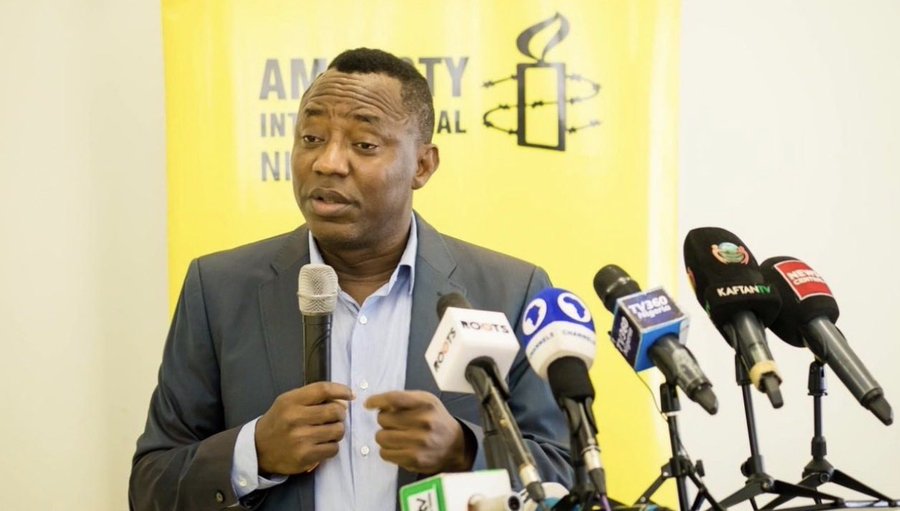
    ABUJA, Nigeria (NPA) — The Socio-Economic Rights and Accountability Project (SERAP) has urged the administration of President Bola Ahmed Tinubu and the Department of State Services (DSS) to immediately withdraw all charges against journalist and activist Omoyele Sowore and end what it described as the continuing harassment and intimidation of him over the peaceful exercise of his human rights.

    SERAP said the reported decision by the DSS to seek an adjournment of the case until after the 2027 presidential election does not address what it described as the fundamental problem, insisting that the charges should never have been brought in the first place and should now be withdrawn.

    In a statement issued on Sunday and signed by its Deputy Director, Kolawole Oluwadare, the organisation said the DSS could not selectively pause what it described as a politically sensitive prosecution for electoral convenience while leaving the charges hanging over Sowore.

    “The appropriate response is to withdraw the charges altogether,” SERAP said.

    The organisation expressed concern that the DSS reportedly considered suspending the case only after the commencement of the 2027 election campaign.

    SERAP argued that the right of citizens to participate in public affairs and criticise government officials should not depend on the electoral calendar or the discretion of security agencies.

    According to the organisation, the prosecution of Sowore over his social media comments concerning President Tinubu amounted to an unacceptable use of criminal law and judicial processes to punish, intimidate or silence a prominent critic and political opponent.

    SERAP maintained that public officials, including the President, are subject to scrutiny and criticism in a democratic society.

    “The mere fact that an expression is offensive, harsh, insulting or politically inconvenient does not, by itself, justify criminal prosecution,” the organisation said.

    SERAP further warned against what it described as the use of the Cybercrimes Act, criminal defamation provisions and other laws to suppress peaceful criticism, particularly as Nigeria approaches the 2027 general elections.

    “Suspending the Sowore case until after the election is not enough. The bogus charges should be immediately withdrawn,” the organisation stated.

    It said the continued prosecution of Sowore could have a chilling effect beyond the individual case, sending what it described as a dangerous message to journalists, bloggers, activists, political opponents and other Nigerians that criticism of government officials could attract the attention of security agencies and result in criminal prosecution.

    SERAP maintained that international human rights standards do not permit governments to invoke criminal law as a tool for silencing dissent.

    It called on Nigerian authorities to refrain from unlawfully interfering with freedom of expression and to protect individuals from harassment, intimidation and reprisals for exercising their rights.

    The organisation said the right to freedom of expression includes the right to criticise public officials and government policies, stressing that political speech enjoys particularly strong protection in a democratic society.

    According to SERAP, the government must tolerate a high degree of criticism, including expressions that may be considered harsh or offensive.

    It argued that criminal prosecution should not be used as a substitute for political debate or as a mechanism for shielding public officials from criticism.

    SERAP also called on the Federal Government to fully comply with the 2022 judgment of the ECOWAS Court of Justice, which it said declared the former Section 24 of the Cybercrimes Act arbitrary, vague and repressive and ordered Nigeria to bring its cybercrime legislation into conformity with its human rights obligations.

    The organisation maintained that cybercrime legislation should not be used to criminalise peaceful expression or suppress legitimate criticism of public officials.

    SERAP therefore urged President Tinubu to immediately direct the Attorney-General of the Federation and the DSS to withdraw all charges against Sowore.

    It also called on the government to direct the DSS and other security and law enforcement agencies to stop using criminal and judicial processes to harass, intimidate or silence journalists, activists, political opponents and other Nigerians peacefully exercising their rights.

    The organisation further urged the Federal Government to ensure that Sowore is able to participate freely in political and public life without harassment, intimidation, arbitrary arrest or reprisals.

    SERAP also called for a review of criminal prosecutions and pending cases against journalists, activists and political opponents arising principally from their peaceful exercise of freedom of expression, with a view to withdrawing charges that are inconsistent with Nigeria’s constitutional and international human rights obligations.

    The group urged the Federal Government to ensure full respect for freedom of expression, freedom of association, political participation, media freedom, the rule of law and judicial independence as Nigeria approaches the 2027 general elections.

    The prosecution of Sowore followed a social media post in which he allegedly referred to President Tinubu as a criminal.

    According to reports, the DSS alleges that the statement made on X constitutes defamation and incitement and could undermine public confidence in the Presidency and threaten national stability.

    The case has reportedly been filed under Nigeria’s Cybercrimes (Prohibition, Prevention, etc.) Act and has reignited public debate over freedom of expression, government accountability and the limits of criticism in Nigeria’s democracy.

    Sowore, however, maintains that his social media post was a legitimate expression of opinion protected under the constitutional right to freedom of expression.

  • JUST IN: SERAP, Nigerian guild of editors urge National Assembly to reject foreign aid regulation bill

    JUST IN: SERAP, Nigerian guild of editors urge National Assembly to reject foreign aid regulation bill

    ABUJA, Nigeria (NPA) — The Socio-Economic Rights and Accountability Project (SERAP) and the Nigerian Guild of Editors (NGE) have urged the leadership of the National Assembly to immediately reject and withdraw the proposed Foreign Aids (Regulation, Transparency and Disclosure) Bill, 2026, warning that the legislation could threaten civic space, media freedom and democratic participation in Nigeria.

    The organisations called on the President of the Senate, Senator Godswill Akpabio, and the Speaker of the House of Representatives, Rt. Hon. Tajudeen Abbas, to halt further consideration of the bill, describing it as unnecessary, unlawful and unconstitutional.

    The proposed legislation, identified as SB.1034 and sponsored by Senator Ibrahim Dankwambo of the Peoples Democratic Party (PDP), Gombe North, seeks to establish a regulatory framework for organisations and private entities receiving foreign assistance.

    According to SERAP and the NGE, the bill would impose mandatory registration and disclosure requirements on civil society organisations, independent media organisations, religious bodies and other private entities that receive foreign aid.

    The groups warned that the proposed framework could significantly expand government control over organisations involved in civic, humanitarian and public-interest activities.

    They also raised concerns over the sanctions proposed under the legislation, including a minimum fine of N20 million for civil society organisations and private entities, as well as the possible suspension or revocation of operating licences.

    SERAP and the Nigerian Guild of Editors argued that although the bill is presented as an effort to promote transparency and accountability, its provisions could be used to place excessive restrictions on the legitimate activities of civil society organisations, the media and other independent institutions.

    The organisations therefore urged the National Assembly to reject and withdraw the bill and publicly commit not to introduce legislation that would unjustifiably restrict freedom of association, civic participation or media freedom.

    They warned that the legislation, if passed into law despite what they described as serious constitutional and human rights concerns, could face a legal challenge.

    “Should the Bill be passed into law despite the serious constitutional and human rights concerns raised, SERAP and NGE will consider taking all appropriate legal action in the public interest to challenge it and protect freedom of association, media freedom and civic participation,” the groups said.

    The intervention comes amid growing concerns among civil society and media stakeholders over legislative measures that could expand regulatory oversight of organisations receiving foreign funding.

    SERAP and the NGE maintained that transparency and accountability must not be pursued in a manner that undermines constitutional freedoms or weakens the ability of civil society organisations and independent media to operate freely.

    The groups said Nigeria’s democratic institutions would be better strengthened through laws that promote accountability while protecting freedom of expression, association and legitimate civic engagement.

    They urged lawmakers to carefully consider the potential implications of the proposed bill for Nigeria’s democratic space before taking further action on the legislation.

  • JUST IN: Tinubu orders security agencies to rescue victims of Niger mass abduction

    JUST IN: Tinubu orders security agencies to rescue victims of Niger mass abduction

    ABUJA, Nigeria (NPA) — President Bola Ahmed Tinubu has ordered the Armed Forces, the Nigeria Police Force, the Department of State Services (DSS) and other security and intelligence agencies to launch an immediate coordinated operation to rescue victims of the recent mass abduction in Niger State.

    The President also expressed outrage over the abduction and killing of innocent citizens in the North-Central state, describing the perpetrators as “enemies of peace and enemies of humanity.”

    In a statement issued on Saturday, August 25, 2026, Tinubu directed the security agencies to intensify efforts to locate and rescue those still in captivity.

    “I have directed the Armed Forces, the Nigeria Police Force, the Department of State Services, and all relevant security and intelligence agencies to launch a coordinated rescue operation immediately for the victims of the recent mass abduction in Niger State.

    “I am outraged by the abduction and killing of innocent citizens by criminal elements in the state.

    “Those who carried out this cowardly attack on defenceless Nigerians are enemies of peace and enemies of humanity, who will not go scot-free,” the President said.

    Tinubu expressed condolences to the families of those killed in the attack and assured affected families that the Federal Government would continue working to secure the safe return of those abducted.

    “I extend my deepest condolences to the families of those who were killed in this barbaric assault and pray that Almighty God grant them eternal rest, and grant their loved ones the fortitude to bear this painful loss.

    “You are not alone. The entire nation shares your anguish. We will not rest until your sons, daughters, mothers and fathers are brought back safely to you,” he said.

    The President also directed the Service Chiefs to provide him with regular briefings on the progress of the rescue operation until all the abducted victims are accounted for.

    He vowed that the latest attack would not weaken the country’s resolve in confronting criminal elements responsible for attacks and abductions.

    “Terror will not cow Nigeria. We will defend our people, protect our communities, and uphold the sanctity of human life,” Tinubu declared.

    The President further assured the people of Niger State that the Federal Government would provide necessary support to the state government in the areas of recovery, relief and security reinforcement.

    “My prayers are with the people of Niger State at this difficult time. The Federal Government stands firmly with the State Government and will provide all necessary support to aid recovery, relief, and security reinforcement,” he added.

    Background

    The latest directive comes amid continuing security challenges in parts of Nigeria, where criminal groups have carried out kidnappings and attacks targeting communities, travellers and other vulnerable groups.

    Newpost Africa had earlier reported the successful rescue of abducted students and teachers in Oyo State following a coordinated operation by Nigerian security agencies. The victims were rescued on July 10, 2026, after spending 56 days in captivity.

    The Oyo operation demonstrated the potential impact of coordinated intelligence and security operations in securing the release of kidnapping victims.

    What Tinubu’s Directive Means

    The latest order places the rescue of the Niger State victims at the centre of the Federal Government’s immediate security response, with multiple security and intelligence agencies expected to work together in locating the abductees and dismantling the criminal network responsible.

    The President’s directive for regular briefings also signals a heightened level of presidential oversight of the operation as security agencies work to account for all those abducted.

    The renewed focus on rescue operations comes as Nigeria continues to grapple with kidnapping, terrorism and banditry in several parts of the country.

    For the families of the victims, however, the immediate priority remains the safe return of their loved ones.

    The President said the government would “not rest” until those abducted were accounted for.

  • SERAP urges probe into vote-buying, violence in Osun election, international scrutiny

    SERAP urges probe into vote-buying, violence in Osun election, international scrutiny

    ABUJA, Nigeria (NPA) — The Socio-Economic Rights and Accountability Project (SERAP) has urged the Independent National Electoral Commission (INEC), Economic and Financial Crimes Commission (EFCC) and Independent Corrupt Practices and Other Related Offences Commission (ICPC) to jointly investigate reported cases of vote-buying, financial inducement, illegal election financing, voter intimidation, violence and alleged misuse of public resources during the 2026 Osun State governorship election.

    SERAP also called for independent regional and international scrutiny of the reported electoral infractions, including by the African Union (AU), ECOWAS, African Commission on Human and Peoples’ Rights and relevant United Nations human rights mechanisms.

    In a petition dated August 15, 2026, and signed by SERAP Deputy Director Kolawole Oluwadare, the organisation urged the three agencies to investigate the reported offences transparently and trace the sources and movement of funds allegedly deployed for vote-buying and other unlawful electoral activities.

    The organisation also called for the preservation and examination of banking and mobile-money records, telecommunications data, CCTV and video footage, polling-unit records and other documentary and digital evidence that could assist investigations.

    SERAP urged the agencies to investigate, arrest and, where appropriate, prosecute persons reasonably suspected of electoral, corruption or other criminal offences, including individuals who allegedly financed or facilitated the conduct.

    According to SERAP, the credibility of the election result ultimately depends on whether voters were able to freely exercise their right to participate in the electoral process and make their political choices without inducement, intimidation, violence or coercion.

    “The legitimacy and credibility of the Osun State election result ultimately depend upon whether voters were genuinely able to freely exercise their right to participation and political choice,” the organisation said.

    SERAP added that where voters were allegedly induced with money or other benefits, threatened with violence, intimidated, obstructed or otherwise coerced, questions would arise over whether the election reflected the free and genuine will of the electorate.

    The organisation said a joint investigation by INEC, EFCC and ICPC would allow the agencies to examine the electoral, financial and criminal dimensions of the reported offences in a coordinated manner.

    It also argued that involving regional and international mechanisms would provide complementary scrutiny, strengthen transparency and accountability, and help assess the implications of the alleged violations for Nigeria’s human rights and democratic obligations.

    SERAP further urged the agencies to make their findings public and, where lawful and appropriate, ensure that relevant evidence is made available to competent election tribunals and other accountability institutions.

    According to preliminary reports by the EU Support to Democratic Governance in Nigeria Election Observation Hub (EU-SDGN EOH) cited by SERAP, civil society observers recorded 323 electoral offences and irregularities across 726 polling units observed as of noon on election day.

    The reported infractions included 103 cases of vote trading, 28 cases involving inducement of polling and security officials, 31 cases of voter obstruction, 38 cases of campaigning at polling units, 14 cases of voter impersonation, 12 cases of multiple voting, seven cases of election-official misconduct and 85 cases involving exposure of ballot papers.

    The observers also recorded 38 security incidents, including reported cases of thuggery, attacks on electoral officials and voter intimidation.

    SERAP further cited reports by the Nigeria Civil Society Situation Room, which identified alleged cases of vote-buying and other inducements, including the distribution of jollof rice and drinks at a polling unit in Isokan Local Government Area.

    According to the organisation, the incident allegedly resulted in significant disorder, while the Situation Room also reported the harassment of an election observer and alleged disruption by suspected thugs.

    SERAP said the reported allegations raised concerns over possible violations of the Electoral Act 2026, the Nigerian Constitution and Nigeria’s obligations under international human rights treaties.

    It cited Sections 125, 131 and 132 of the Electoral Act 2026, which it said criminalise bribery, undue influence and the use or threat of violence to influence voting.

    The organisation also pointed to Sections 91 to 94 of the Act, which provide political-finance safeguards, including contribution and expenditure limits and post-election disclosure requirements.

    SERAP said Section 138(1) of the Electoral Act permits an election to be challenged where it was invalidated by corrupt practices or non-compliance with the Act, while Section 139 addresses cases of non-compliance that may substantially affect an election result.

    The organisation also referenced constitutional provisions and international human rights obligations relating to democratic participation and free and fair elections.

    It cited Article 25 of the International Covenant on Civil and Political Rights (ICCPR), which protects citizens’ right to participate in public affairs and elections, as well as Article 13(1) of the African Charter on Human and Peoples’ Rights, which provides for citizens’ right to participate freely in the government of their country.

    SERAP urged INEC, EFCC and ICPC to immediately commence the proposed joint investigation, trace alleged illicit financial flows, preserve relevant evidence and investigate compliance with political-finance provisions.

    It also called for the publication of investigation findings and appropriate legal action where credible evidence establishes that corruption, inducement, coercion or violence materially affected voters or the election outcome.

    The organisation further urged the agencies to facilitate scrutiny by ECOWAS, the AU, the African Commission and relevant UN human rights mechanisms, and make relevant evidence available to competent electoral and judicial bodies where lawful and appropriate.

    SERAP said the measures were necessary not only to ensure accountability for alleged violations during the Osun election but also to deter electoral corruption and violence, strengthen public confidence in democratic institutions and safeguard the credibility of the 2027 general elections.