Category: Education

  • ECOWAS trains 500 journalists, strengthens fight against misinformation

    ECOWAS trains 500 journalists, strengthens fight against misinformation

    ABUJA, Nigeria (Agency Report) — President of the Economic Community of West African States (ECOWAS) Commission, Omar Touray, says the regional body has trained no fewer than 500 journalists across West Africa in recent years as part of efforts to combat misinformation and disinformation.

    Touray disclosed this while presenting his Community Work Programme address at the ongoing 2026 First Ordinary Session of the ECOWAS Parliament in Abuja.

    According to him, the training initiative was aimed at countering the growing threat posed by fake news to peace, democracy and regional stability within the sub-region.

    The ECOWAS Commission president also said the organisation had reinvigorated its information management and strategic communication systems to strengthen the fight against misinformation across West Africa.

    “The ECOWAS Information and Communication Policy is currently being modernised to address emerging realities surrounding social media and artificial intelligence,” he said.

    Touray added that ECOWAS had supported The Gambia in establishing the region’s first National Response Centre to Combat Misinformation as part of broader efforts to safeguard democratic institutions and public trust.

    Reaffirming the commission’s commitment to regional integration, he said ECOWAS would continue prioritising stronger cooperation, accountability and citizen-focused governance aimed at building a peaceful and prosperous West Africa.

    Touray further stated that the regional bloc remained resilient in pursuing its goals of economic integration and development despite mounting global economic and security challenges.

    According to him, the sub-region is gradually regaining economic momentum while confronting terrorism, political instability and disinformation.

    He disclosed that economic growth within the sub-region increased from 4.3 per cent in 2024 to 4.8 per cent in 2025, with projections indicating further growth to 5.0 per cent in 2026.

    “This progress stems from the reforms undertaken by Member States, improved fiscal management, declining inflation and renewed efforts to strengthen intra-regional trade under the ECOWAS integration framework,” he said.

    Touray urged member states to sustain reforms capable of driving industrial growth, job creation and regional competitiveness.

    He also highlighted ECOWAS interventions in peace and security, including intensified mediation and preventive diplomacy efforts across conflict-prone areas within the sub-region.

    The ECOWAS president disclosed that preparations for the proposed Regional Counterterrorism Force had reached an advanced stage amid rising threats posed by terrorism and violent extremism across West Africa.

    “ECOWAS has also strengthened maritime and border security mechanisms to address the security threats,” he added.

    Touray further revealed that the commission continued diplomatic engagement with the Sahel countries of Burkina Faso, Mali and Niger despite tensions surrounding their withdrawal from ECOWAS.

    He also disclosed that more than 5.3 million vulnerable persons across the region had benefited from ECOWAS humanitarian interventions, particularly in conflict-affected and disaster-prone communities.

    According to him, the commission also expanded empowerment opportunities for youths and women through entrepreneurship support schemes, academic mobility programmes and regional development initiatives aimed at reducing unemployment and social exclusion.

    The News Agency of Nigeria reports that Touray’s tenure as President of the ECOWAS Commission is expected to end in August 2026.
  • Baze University appoints new Vice-Chancellor and Registrar

    Baze University appoints new Vice-Chancellor and Registrar

    ABUJA, Nigeria (NPA) — The Board of Trustees of Baze University, led by Chairman and Founder Senator Datti Baba-Ahmed, PhD, FSAN, has announced the appointment of new principal officers following a rigorous selection process. With effect from 6 May 2026, Professor Abiodun Adeniyi has been named Vice-Chancellor, while Ahmad Mahmoud Lawi assumes the role of Registrar.

    Professor Adeniyi, a distinguished scholar of Communication and Media Epistemology, steps into the Vice-Chancellor’s office after serving as Registrar of the University. He is succeeded in that position by Alhaji Lawi, who previously served as Director of Human Resources. Both appointees bring over a decade of dedicated service to the institution, marked by professionalism, loyalty, and commitment to academic excellence.

    The Board expressed strong confidence in their capacity to provide effective leadership, strengthen the University’s academic standing, and enhance administrative excellence. In its statement, management emphasized that the appointments reflect Baze University’s commitment to continuity, merit-based leadership, and sustained institutional growth. The University community extended warm congratulations to Professor Adeniyi and Alhaji Lawi, urging staff and stakeholders to support them as they assume their new responsibilities.

  • Lagos begins registration for 2026 Model Colleges screening test

    Lagos begins registration for 2026 Model Colleges screening test

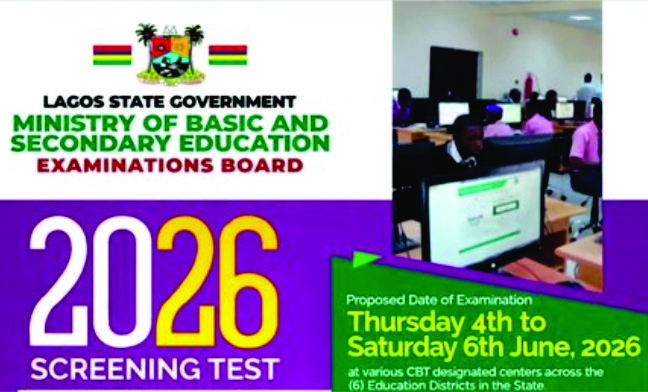
    LAGOS, Nigeria (NPA) — The Lagos State Ministry of Basic and Secondary Education, through the Lagos State Examinations Board, has announced the commencement of online registration for the 2026 Screening Test into Model Colleges and upgraded Junior Secondary Schools with boarding facilities for the 2026/2027 academic session.

    According to the ministry, the registration exercise is currently ongoing and will close on May 15, 2026.

    Parents, guardians, school owners, and head teachers were advised to complete the registration process online through the Lagos State Examinations Board portal. Lagos State Examinations Board Registration Portal

    The government stated that only Primary Six pupils from both public and private schools are eligible to participate in the screening exercise.

    The screening test, which will be conducted using the Computer-Based Test (CBT) format, is tentatively scheduled to hold between Thursday, June 4, and Saturday, June 6, 2026, at designated centres across the state.

    The registration fee for the examination was fixed at ₦10,000.

    The ministry also directed candidates of Lagos State origin to upload valid Lagos State Indigeneship Certificates during the registration process.

    The board urged all stakeholders to strictly comply with the registration guidelines to ensure a smooth and successful exercise.

  • Peter Obi donates ₦25m to University of the Niger, reaffirms commitment to quality education

    Peter Obi donates ₦25m to University of the Niger, reaffirms commitment to quality education

    UMUNYA, Nigeria (NPA) — Presidential aspirant Mr. Peter Obi on Thursday, May 7, reaffirmed his commitment to education, healthcare, and poverty alleviation during a visit to the University of the Niger, Umunya, Anambra State, southeastern Nigeria.

    Obi, who has made it a tradition to support the institution since its establishment five years ago, praised its progress and recalled his last visit to the university’s teaching hospital in Ogidi.

    Addressing students, he urged them to remain dedicated to their studies, stressing that “the world today is driven by knowledge, and the future of Nigeria rests in the hands of young people like you.”

    In continuation of his philanthropic efforts, Obi announced a donation of ₦25 million to support scholarships and educational development at the university.

    Campaigning under the mantra “A New Nigeria is Possible,” Obi commended the Diocese on the Niger for its foresight and commitment to institutional growth. He also expressed appreciation to Vice Chancellor Prof. Chinedu Nebo, noting his dedication to strengthening schools and advancing education.

    “I remain fully committed to the growth of education and the development of students in our country because no nation can rise beyond the strength of its education and human capital,” Obi stated.

    The visit reinforces Obi’s focus on human capital development as a cornerstone of national renewal.

  • NYSC DG advises corps members against flamboyant lifestyle, urges savings culture

    NYSC DG advises corps members against flamboyant lifestyle, urges savings culture

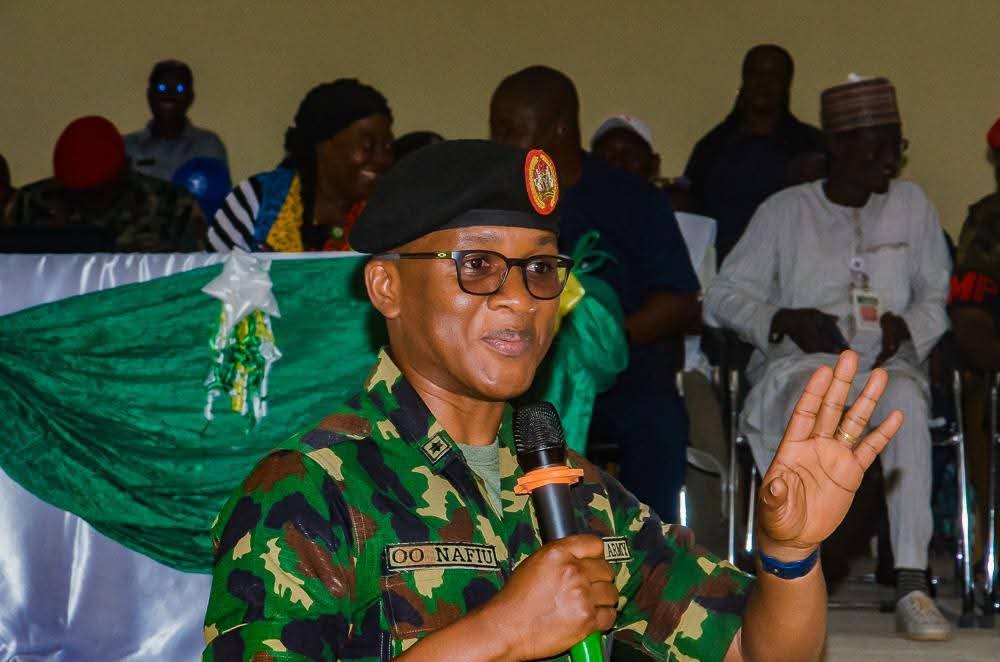
    KADUNA, Nigeria (NPA) — The Director-General of the National Youth Service Corps (NYSC), Olakunle Nafiu, has advised Corps Members to avoid flamboyant lifestyles, live within their means, and cultivate a strong savings culture.

    Nafiu gave the advice while addressing Corps Members at the NYSC Kaduna State Temporary Orientation Camp in Kurmi-Mashi, Kaduna.

    He urged the Corps Members to take advantage of the NYSC Skills Acquisition and Entrepreneurship Development (SAED) programme to acquire vocational and entrepreneurial skills that would enable them to become self-employed and, in turn, create job opportunities for others.

    The Director-General noted that the Scheme has partnered with several stakeholders willing to support Corps Members with low-interest loans, business grants, and starter packs to facilitate entrepreneurship after service.

    “Don’t waste your time because time is precious. Do something with your time. Be diligent during your post-camp SAED training,” Nafiu said.

    He encouraged Corps Members to start small and gradually scale up their business ventures over time, stressing the importance of discipline and financial prudence.

    Meanwhile, the NYSC Kaduna State Coordinator, Efeke Murna Dadaza, in her camp situation report, disclosed that 2,896 Corps Members were registered at the camp.

    According to her, the figure comprises 2,198 deployed to Kaduna State and 698 dislodged from the Federal Capital Territory (FCT).

    She added that the Corps Members have adjusted to the regimented camp environment and have been actively participating in all scheduled orientation activities.

  • FG inaugurates smart model school in Katsina, reaffirms education reform agenda

    FG inaugurates smart model school in Katsina, reaffirms education reform agenda

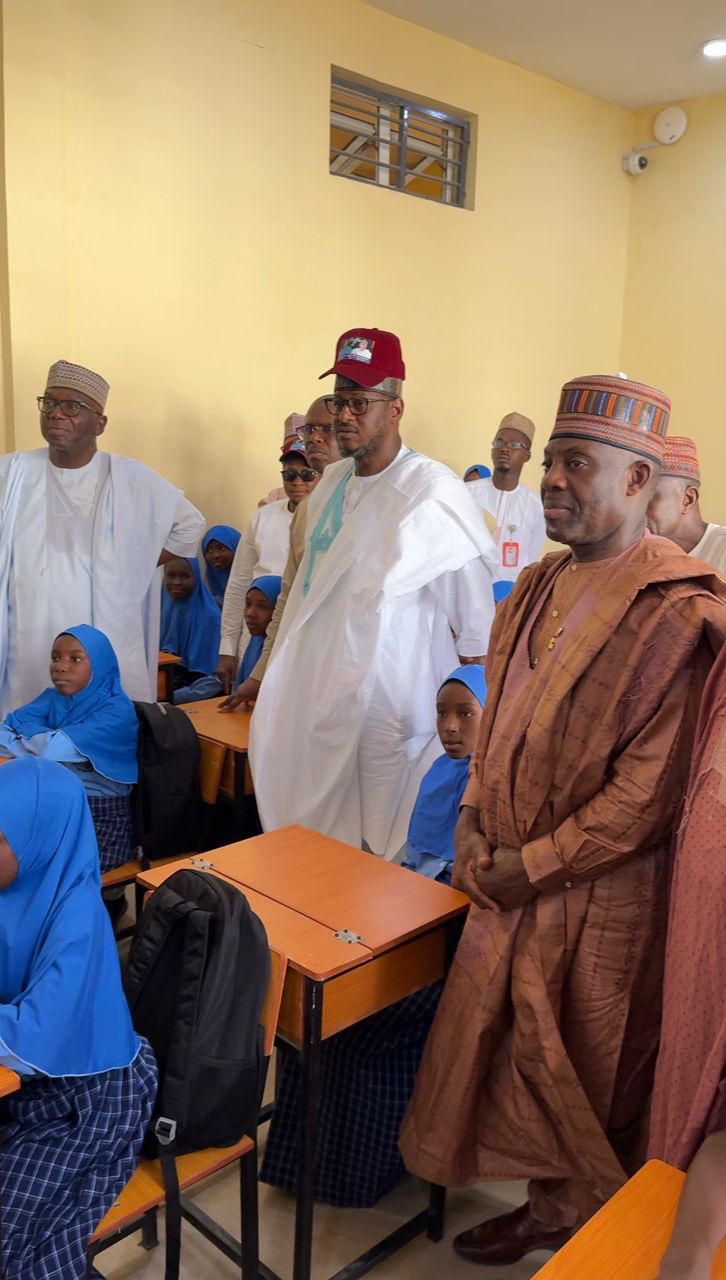
    ABUJA, Nigeria (NPA) — The Federal Government has reaffirmed its commitment to building a future-ready and globally competitive education system with the inauguration of the Katsina State Smart Model Secondary School in Radda, Katsina State.

    The Minister of Education, Tunji Alausa, inaugurated the facility on Tuesday alongside Katsina State Governor, Dikko Radda.

    Alausa disclosed this in a statement issued in Abuja by his Special Adviser on Media and Communications, Ikharo Attah.

    The minister described the project as a major milestone, noting that the Smart School represents more than physical infrastructure, but a symbol of innovation, opportunity, and strategic investment in human capital aimed at preparing Nigerian students for a technology-driven global economy.

    He commended the governor’s leadership under the Build-Your-Future Blueprint, stating that Katsina’s progress in expanding access to education, improving infrastructure, and strengthening teacher development reflects a strong commitment to sustainable development.

    According to him, the initiative aligns with the Renewed Hope Agenda of President Bola Ahmed Tinubu and forms part of broader reforms under the Nigerian Education Sector Renewal Initiative (NESRI).

    Alausa said the reforms focus on expanding access to education, strengthening Science, Technology, Engineering, Mathematics and Medical Sciences (STEMM), as well as Technical and Vocational Education and Training (TVET), while also improving infrastructure, promoting inclusive education, and advancing digital governance.

    He disclosed that over N106 billion in Universal Basic Education Commission (UBEC) matching grants had been accessed by states in the last 18 months, while more than N22 billion had been invested in teacher development. He added that N2.035 billion was disbursed to School-Based Management Committees nationwide.

    The minister further stated that over 10,000 classrooms had been renovated, 978,000 teachers trained, and more than 7.8 million textbooks distributed across the country.

    He announced that the revised Primary Education Curriculum is already being implemented nationwide, while a new Secondary Education Curriculum will take effect in the next academic session.

    Alausa also revealed that funding had been secured for the HOPE Education Programme to deepen access, improve quality, and strengthen institutional capacity.

    On skills development, he said more than 160,000 youths are currently undergoing training across over 1,200 TVET centres nationwide, with over one million applications recorded in the latest phase.

    He highlighted ongoing digital reforms, including the rollout of a cloud-based Annual School Census and the introduction of the Learner Identification Number (LIN) to enhance data-driven planning, transparency, and accountability.

    The minister reaffirmed the Federal Government’s commitment to inclusive education, noting intensified collaboration with states to address the challenge of out-of-school children. He added that the Katsina Smart Model Secondary School would serve as a national model for smart education and a catalyst for transformative change in the sector.

    In his remarks, Governor Radda said his administration established the school based on the belief that education remains the foremost responsibility of government to its citizens.

    He added that the state government would continue to ensure equitable access to quality education across all zones of Katsina State, noting that his administration has implemented far-reaching reforms since assuming office to reposition the sector.

  • LASG launches second edition of Eko Schools Arts, Crafts Competition

    LASG launches second edition of Eko Schools Arts, Crafts Competition

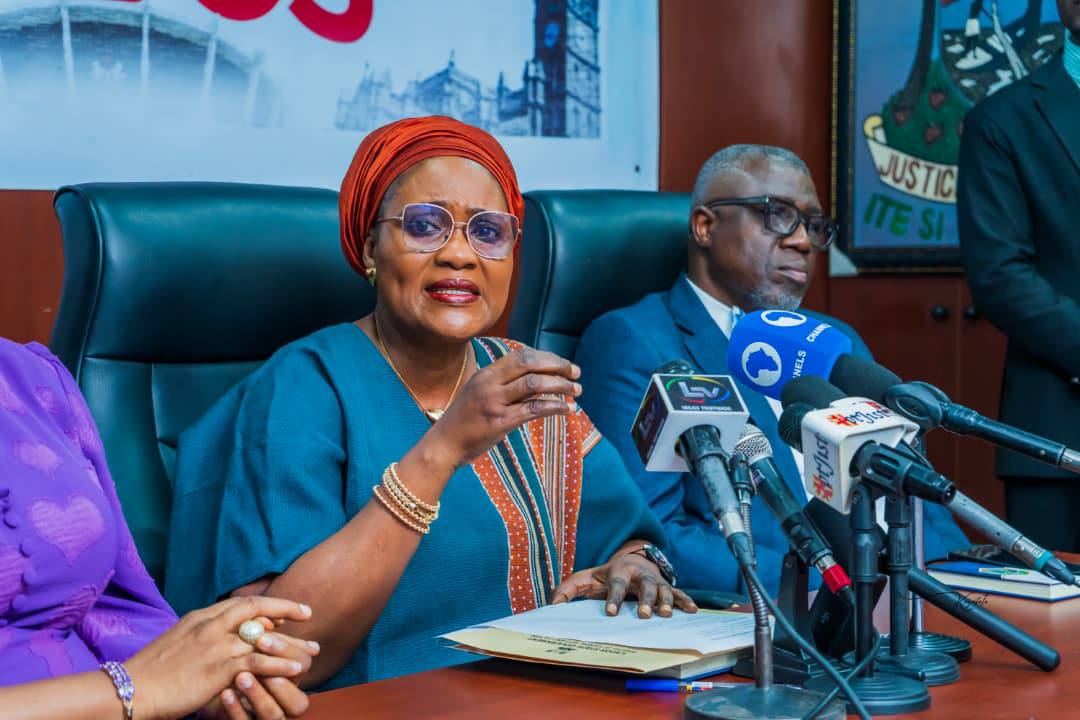
    LAGOS, Nigeria (NPA) — The Lagos State Ministry of Tourism, Arts and Culture has officially launched the second edition of the Eko Schools Arts and Crafts Competition 2026, themed “THIS IS LAGOS!”, reaffirming its commitment to youth empowerment and the growth of the creative economy.

    Speaking at a press conference on Monday, May 4, 2026, the Permanent Secretary, Mrs Bopo Oyekan‑Ismaila, said the competition serves as a strategic platform to discover, nurture, and showcase the immense creative potential of young people in Lagos. She stressed that the initiative aligns with Governor Babajide Sanwo‑Olu’s T.H.E.M.E.S Plus Agenda, particularly the Entertainment and Tourism pillar.

    Reflecting on the maiden edition, Oyekan‑Ismaila revealed that 153 entries were received from students across secondary and tertiary institutions, with nine winners emerging across three categories. “That success affirmed one truth: Lagos is brimming with creative brilliance. Our young people are ready to lead the creative economy when given the right opportunities,” she stated.

    Announcing the commencement of the 2026 edition, she disclosed that the Ministry is scaling up the competition with structured mentorship from industry professionals, broader industry engagement, internship opportunities, and increased visibility across digital and physical platforms. She noted that the initiative bridges the gap between classroom learning and real‑world creative enterprise, equipping participants with relevant skills while preserving Lagos’ cultural heritage.

    Calling on schools, teachers, parents, and guardians to encourage participation, she said: “This is your platform. This is your moment. Let your creativity speak. Let your art tell the story of Lagos and open doors to limitless possibilities.”

    The registration portal, www.ekoschoolsartsandcrafts.com, is now open and will run until Monday, May 25, 2026.

    Reaffirming government’s commitment to the creative sector, Oyekan‑Ismaila added: “When creativity thrives, innovation flourishes. When innovation flourishes, economies grow. And when economies grow, the people are healthier and happier.” She expressed optimism that this year’s edition will be bigger, more inclusive, and more impactful, producing talents who will proudly represent Lagos on the global stage.

  • South Africa’s NSFAS placed under administration amid governance crisis

    South Africa’s NSFAS placed under administration amid governance crisis

    PRETORIA, South Africa (NPA) — The National Student Financial Aid Scheme (NSFAS) has been placed under administration by the Minister of Higher Education and Training, Buti Manamela, following what he described as prolonged governance instability, legal concerns, and operational weaknesses threatening the institution’s credibility.

    Announcing the decision on Monday, May 4, 2026, Manamela said the intervention was taken under sections 17A to 17D of the NSFAS Act, 1999, after “careful consideration of the legal, governance, financial and operational circumstances” affecting the scheme.

    “NSFAS is one of the most important public institutions in our democratic project. It exists to ensure that young people from poor and working‑class backgrounds are able to access higher education and training. For many families, NSFAS is not an abstract institution — it is the difference between exclusion and opportunity, between hope and despair,” Manamela said.

    The Minister cited concerns over the legality of the NSFAS Board’s constitution, multiple resignations including that of the chairperson, and disputes over governance processes and executive appointments. He noted that attempts to stabilise the Board through interim measures had proven insufficient.

    Serious institutional challenges were also highlighted, including a disclaimer audit outcome for 2024/25, material irregularities flagged by the Auditor‑General, weaknesses in consequence management, unresolved student appeals, ICT delays, and failures in student accommodation.

    Manamela announced the appointment of Hlengani Mathebula as NSFAS Administrator. Mathebula, who brings over three decades of experience in governance, financial management, and institutional leadership, currently serves as Director and Head of the Tshwane School for Business and Society at the Tshwane University of Technology. He has previously held senior roles at the South African Reserve Bank, the South African Revenue Service, and on several boards.

    The Administrator’s mandate will focus on restoring stability, accountability, and operational continuity. Key priorities include strengthening governance and internal controls, addressing audit weaknesses, accelerating ICT reforms, stabilising student funding operations, improving accommodation oversight, resolving appeals backlogs, and preparing NSFAS for a return to stable governance.

    Manamela reassured students and institutions that operations would continue uninterrupted. “The administration is not intended to disrupt NSFAS operations. Student funding will continue, allowances will continue, appeals processes will continue, [and] universities and TVET colleges will continue engaging NSFAS operationally. The purpose of the intervention is precisely to protect continuity and restore confidence,” he said.

    He acknowledged the contributions of former and remaining Board members and reiterated government’s commitment to ensuring NSFAS fulfils its mandate. “We will continue engaging institutions, students, Parliament, National Treasury, organised stakeholders and the public as this process unfolds,” he added.

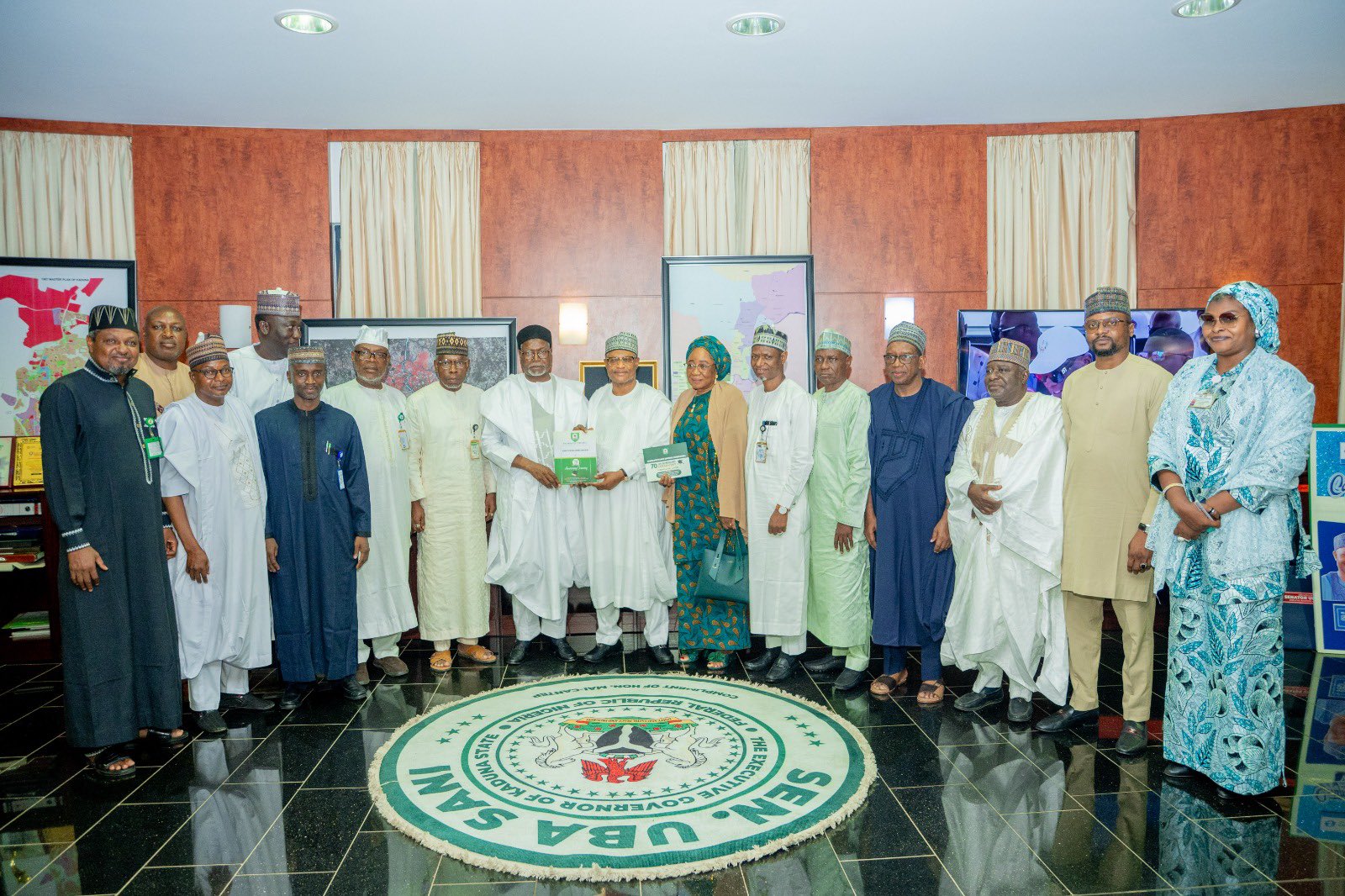
  • Governor Uba Sani hosts Kaduna Polytechnic management, commits to strengthening education

    Governor Uba Sani hosts Kaduna Polytechnic management, commits to strengthening education

    KADUNA, Nigeria (NPA) — Governor of Kaduna State, Senator Uba Sani, has hosted the management team of Kaduna State Polytechnic, an institution he proudly described as one of his alma maters. The delegation, led by Rector Dr. Suleiman Umar, shared reflections on the administration’s ongoing efforts to reposition the education sector in the state.

    Governor Sani expressed appreciation for the visitors’ acknowledgment of his administration’s initiatives, which include the reduction of school fees, decisive action against out‑of‑school children, construction of new schools, recruitment and retraining of teachers, and steady upgrading of educational infrastructure.

    Reflecting on his formative years at the Polytechnic, the governor noted that the institution had imparted not only knowledge but also enduring values that continue to guide his public service. He commended the management for their steadfast commitment to preserving standards and urged them to remain resolute in pursuing excellence and innovation.

    Sani said he was honoured by the Polytechnic’s invitation to serve as Special Guest of Honour at the forthcoming Convocation Ceremony and 70th Anniversary celebration, describing it as a milestone of enduring significance. He added that he was humbled by the institution’s decision to confer on him the prestigious title of Fellow of the Polytechnic, the highest honour bestowed by the institution.

    The governor assured the management of his administration’s resolve to further upgrade, reconstruct, and rehabilitate infrastructure within the Polytechnic to provide a more conducive learning environment for staff and students. He reaffirmed the Kaduna State Government’s unwavering commitment to supporting welfare and strengthening the institution’s capacity to deliver quality, future‑ready education.

    Established in 1956 as Kaduna Technical Institute and transformed into Kaduna Polytechnic in 1968, the institution has grown into one of Nigeria’s largest and oldest polytechnics. It offers programmes in engineering, applied sciences, environmental studies, business, and technology.

    Over the decades, Kaduna Polytechnic has earned a reputation for producing highly skilled technicians, engineers, administrators, and entrepreneurs who have contributed significantly to Nigeria’s industrial and public sectors. It is widely recognized for pioneering technical and vocational education in Northern Nigeria and for maintaining one of the broadest academic portfolios among polytechnics in the country.

  • JAMB extends 2026 direct entry registration deadline to May 8

    JAMB extends 2026 direct entry registration deadline to May 8

    ABUJA, Nigeria (NPA) — The Joint Admissions and Matriculation Board (JAMB) has extended the 2026 Direct Entry (DE) registration exercise to May 8, giving eligible candidates additional time to complete their applications.

    JAMB announced the extension in a statement issued on Wednesday in Abuja by its spokesperson, Fabian Benjamin.

    According to Benjamin, the decision was taken to ensure that no qualified candidate is denied the opportunity to gain admission into tertiary institutions.

    He said the new deadline supersedes the earlier closing date announced by the board.

    The spokesperson also disclosed that JAMB had approved five additional registration centres to reduce pressure in areas with high demand.

    The newly approved centres are the Centre for Open and Distance Learning (CODL), Mini Campus, University of Ilorin, Kwara State; Bells University of Technology; and Olabisi Onabanjo University Centre 1, Ago-Iwoye, Ogun State.

    Others include the Prof. Usman E-Learning Centre, Federal College of Education (Special), Oyo State; and Human Development Initiatives (Grace House), No. 2 Iwaya, Sabo, opposite Onike Girls Junior High School, Onike, Lagos.

    Benjamin urged prospective candidates to take advantage of the extension, noting that JAMB offices nationwide, including Professional Registration Centres (PRCs) and Professional Testing Centres (PTCs), remain open for registration. (NAN).