Category: Crime Diary

  • NDLEA, UAE’s NDEA sign MoU to deepen anti-narcotics cooperation

    NDLEA, UAE’s NDEA sign MoU to deepen anti-narcotics cooperation

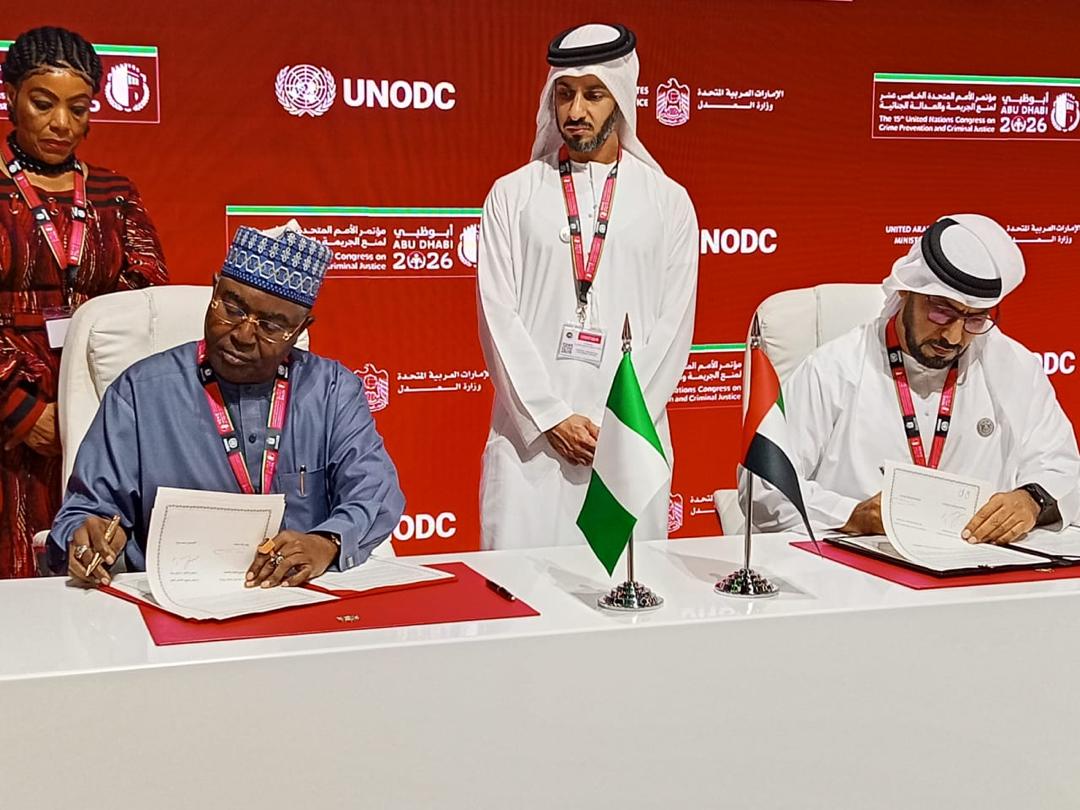
    ABUJA, Nigeria (NPA) — The National Drug Law Enforcement Agency (NDLEA) has signed a Memorandum of Understanding (MoU) with the National Drug Enforcement Authority (NDEA) of the United Arab Emirates (UAE) to strengthen cooperation against drug trafficking between the two countries.

    The agreement was signed on Saturday, Sept. 26, 2026, on the sidelines of the ongoing 15th United Nations Congress on Crime Prevention and Criminal Justice in Abu Dhabi, UAE.

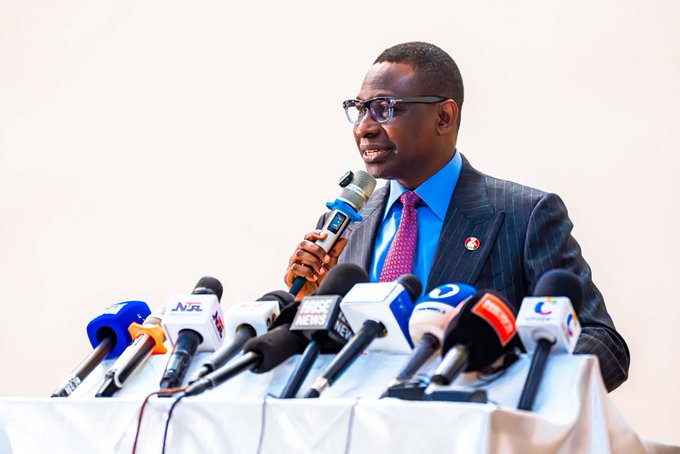
    Speaking at the signing ceremony, NDLEA Chairman/Chief Executive Officer, Brig. Gen. Mohamed Buba Marwa (Rtd), described the agreement as the culmination of years of engagement between the two agencies.

    Marwa said the MoU would deepen intelligence sharing and joint enforcement action along the Nigeria-UAE corridor.

    According to a statement signed by NDLEA Director, Media and Advocacy, Femi Babafemi, between 2021 and 2026, the agency intercepted about 354.7kg of illicit drugs, including cocaine, cannabis, tramadol, rohypnol, ecstasy and khat, concealed in consignments destined for the UAE.

    He said the seizures resulted in the arrest and prosecution of 47 suspects, underscoring the need for stronger cooperation between the two countries.

    Marwa also highlighted NDLEA’s nationwide record between January 2021 and July 2026, including more than 91,000 arrests, among them 243 suspected drug barons; seizure of over 15.5 million kilogrammes of illicit drugs and precursor chemicals; and 16,469 convictions.

    He added that more than 53,000 drug users had received counselling, treatment and rehabilitation, while the agency’s War Against Drug Abuse (WADA) advocacy campaign had reached nearly 5.9 million Nigerians through community and school engagements.

    The NDLEA chairman said the new partnership would build on existing cooperation, including the exchange of liaison personnel, sharing of operational information and technical collaboration.

    He added that the UAE planned to provide Nigerian travellers with a comprehensive list of prohibited items to help prevent inadvertent violations.

    The Chairman of NDEA, Sheikh Zayed bin Hamad Al Nahyan, reaffirmed the UAE’s commitment to working closely with Nigeria to disrupt trafficking networks exploiting the strong trade, travel and people-to-people ties between the two countries.

    He described the MoU as a natural progression of an already productive relationship between the two agencies.

    Both agencies expressed confidence that the agreement would lead to stronger intelligence sharing, more effective joint operations and the dismantling of trafficking networks operating along the Nigeria-UAE corridor.

    They said the partnership was in line with the shared global responsibility to combat organised drug trafficking championed by the United Nations Office on Drugs and Crime (UNODC).

  • LASTMA impounds 84 vehicles in crackdown on one-way driving, illegal garages

    LASTMA impounds 84 vehicles in crackdown on one-way driving, illegal garages

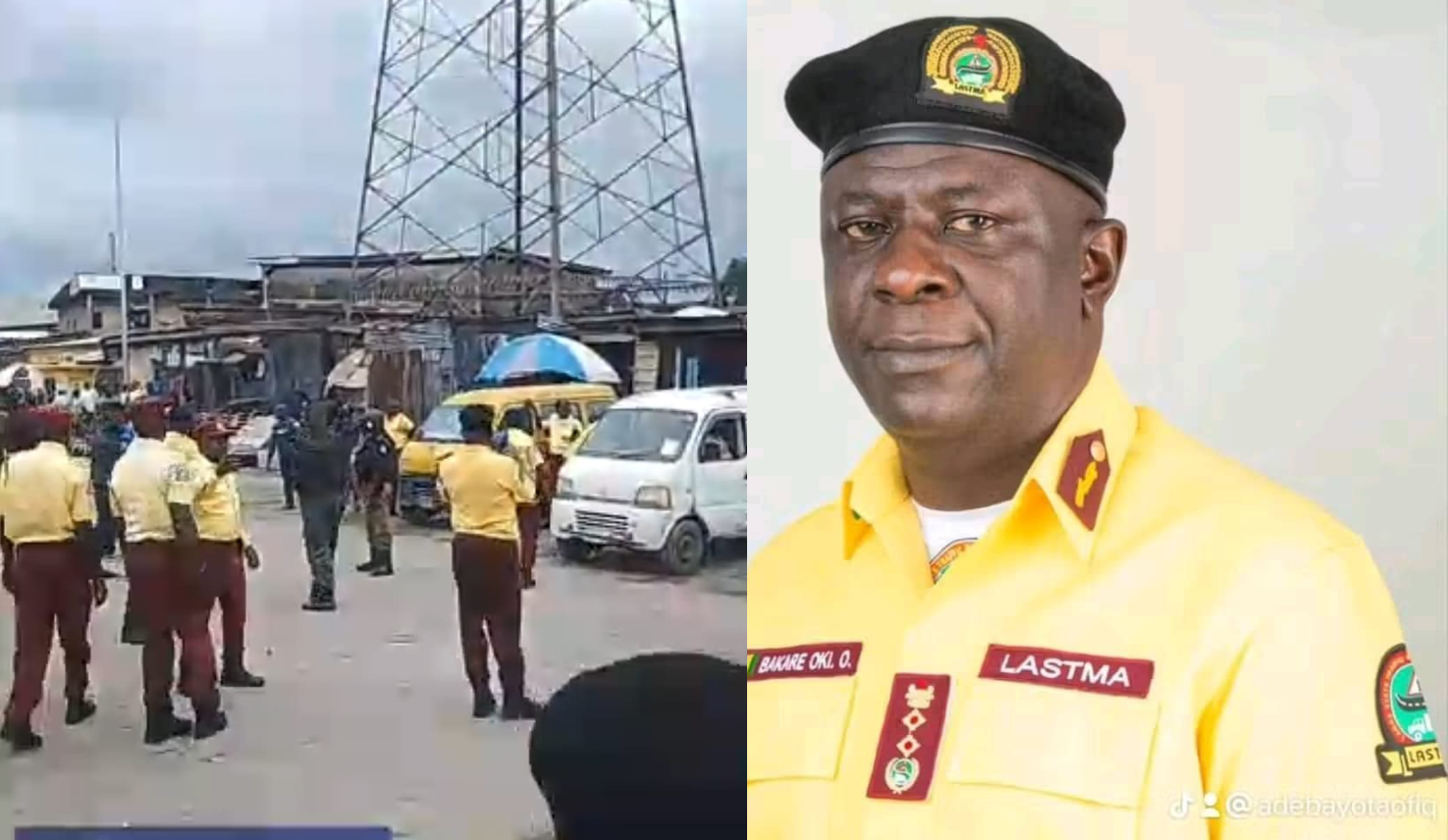
    LAGOS, Nigeria (NPA) — The Lagos State Traffic Management Authority (LASTMA) has intensified enforcement operations across identified traffic flashpoints in the state, impounding 84 commercial and private vehicles for various traffic violations during a weekend crackdown in Idumota, Iddo, Ijora-Olopa, Costain and Onipanu.

    The enforcement exercise was aimed at restoring order and ensuring compliance with traffic regulations, particularly along corridors where persistent violations by motorists and commercial bus operators have continued to affect road safety and the free flow of traffic.

    In a statement on Sunday, LASTMA Director of Public Affairs and Enlightenment Department, Adebayo Taofiq, said the agency was particularly concerned about the practice of commercial buses reversing against traffic along the one-way stretch from Iddo to Idumota through Cater Bridge.

    He described the practice as dangerous, saying motorists, commuters and pedestrians approaching the bridge could have little or no warning that a commercial vehicle was unlawfully reversing against the prescribed direction of traffic.

    According to LASTMA, such manoeuvres could result in serious collisions, injuries and fatalities.

    The enforcement operation, however, encountered resistance from some individuals, with LASTMA personnel reportedly assaulted and injured while carrying out their duties.

    The agency said some individuals who attacked its personnel and damaged operational vehicles were apprehended.

    The General Manager of LASTMA, Mr Olalekan Bakare-Oki, described the enforcement as a necessary intervention to curb what he called a growing culture of impunity among some road users and restore discipline along critical traffic corridors.

    Bakare-Oki reiterated that the agency had repeatedly warned transport operators, commercial bus drivers and other road users against using under-bridge spaces, road setbacks and unauthorised locations as illegal garages.

    He said such practices obstruct effective traffic management and pose risks to public safety.

    The general manager said the sustained enforcement campaign was aimed at ensuring compliance with traffic regulations, deterring hazardous driving practices and protecting the lives and property of motorists, commuters, pedestrians and other road users.

    He stressed that no individual or group would be allowed to appropriate public roads, bridges or under-bridge spaces for illegal loading, parking, vehicle repairs or garage operations.

    LASTMA consequently urged commercial bus operators, motorists, transport unions and other stakeholders to desist from one-way driving, dangerous reversing, illegal parking, indiscriminate loading and the occupation of unauthorised garages or under-bridge locations.

    The agency warned that further violations would attract appropriate enforcement measures in accordance with Lagos State traffic laws.

    Members of the public were also urged to report dangerous driving, traffic obstructions, reckless motorists and other traffic-related violations through the LASTMA toll-free short code 3367, to enable the agency to respond promptly and prevent avoidable incidents across the state’s road network.

  • BREAKING: SERAP gives CBN seven days to account for alleged $6.23m election funds, ₦1.63trn others

    BREAKING: SERAP gives CBN seven days to account for alleged $6.23m election funds, ₦1.63trn others

    ABUJA, Nigeria (NPA) — The Socio-Economic Rights and Accountability Project (SERAP) has given the Governor of the Central Bank of Nigeria (CBN), Mr Olayemi Cardoso, and the apex bank seven days to account for $6.23 million in allegedly diverted or unaccounted-for election funds and more than ₦1.63 trillion in other public funds, or face legal action.

    The organisation made the demand in a letter dated Sept. 26, 2026, signed by SERAP Deputy Director Kolawole Oluwadare.

    According to SERAP, the allegations are documented in Volume II of the Auditor-General of the Federation’s 2023 Annual Report, published on Aug. 7, 2026. The organisation said the findings variously covered the period from January to December 2023.

    SERAP said the funds include more than ₦1.25 trillion in unrecovered CBN intervention loans to state governments; ₦116.18 billion in unrecovered loans to distressed and liquidated banks; ₦262.86 billion disbursed under the Anchor Borrowers’ Programme; and $6.23 million in payments linked to an alleged fraudulent election-funding request purportedly made by former President Muhammadu Buhari.

    SERAP urged Cardoso and the CBN to disclose details of the beneficiaries of the intervention loans, amounts disbursed and measures taken to recover the funds.

    The organisation also demanded an account of the ₦262.86 billion disbursed under the Anchor Borrowers’ Programme, including the names and number of beneficiaries and participating “Anchors”, amounts disbursed, utilisation, monitoring arrangements and recovery measures.

    On the alleged election-funding payment, SERAP asked the CBN to account for the $6.23 million reportedly spent following a purported request for election funding by Buhari and publish the findings of any internal investigation into the alleged fraud.

    “The accountability of public institutions, including the CBN, is a crucial pillar of Nigeria’s constitutional democracy,” SERAP said.

    The organisation said the scale and nature of the findings required “urgent, independent and transparent action”, raising questions about the custody, expenditure, accounting, safeguarding and recovery of public resources.

    According to SERAP, the Auditor-General’s findings raise concerns about the management and accountability of public resources and potential violations of the 1999 Constitution, national anti-corruption laws and Nigeria’s obligations under the UN Convention against Corruption.

    SERAP called for credible investigations capable of establishing the facts, identifying those responsible and securing recovery where public funds were unlawfully lost.

    It also urged the CBN to refer suspected criminal conduct to the Economic and Financial Crimes Commission (EFCC), Independent Corrupt Practices and Other Related Offences Commission (ICPC) and other competent authorities where necessary.

    The organisation called for an independent forensic reconciliation of the sums identified by the Auditor-General, involving relevant oversight and law-enforcement institutions where necessary, and urged the preservation of records relating to the transactions and investigations.

    SERAP said the CBN’s institutional independence should not be interpreted as immunity from constitutional audit, statutory accounting requirements, public financial oversight or investigation of credible allegations of financial misconduct.

    According to the organisation, the Auditor-General reportedly found that the CBN failed to recover ₦1.252 trillion in intervention loans granted to various states in 2023.

    SERAP said the Auditor-General expressed concern that the funds might have been diverted to private purposes and recommended their recovery and remittance to the treasury.

    The organisation also cited an alleged failure by the CBN to recover ₦116.18 billion in loans granted to distressed and liquidated banks and to provide audited or draft financial statements and schedules of recoveries and outstanding balances for audit scrutiny.

    On the Anchor Borrowers’ Programme, SERAP said the Auditor-General reported that ₦262.86 billion had been spent to support farmers but that some of the funds remained with participating “Anchors”, potentially undermining the programme’s food-security objectives.

    The organisation further said the CBN had failed to provide the list and number of beneficiaries and the programme’s impact for audit assessment or recover the outstanding funds.

    SERAP also cited an alleged failure by the CBN to investigate a reported fraud involving ₦6.23 million at its Abuja Branch.

    According to the organisation, the CBN’s internal audit reportedly found that the money was spent based on a request for election funding purportedly made by Buhari. SERAP said the Auditor-General reported that the CBN did not provide its investigation report for scrutiny and feared that the funds could have been lost or fraudulently paid.

    The organisation also highlighted other findings attributed to the Auditor-General, including the alleged failure to account for seven boxes of Awaiting Examination (A/E) currency notes, as well as concerns over unserviceable vehicles abandoned at the CBN’s Lagos and Abeokuta branch offices.

    SERAP said the Auditor-General warned that the issues could affect branch operations and recommended sanctions or evidence of disposal and replacement of the affected vehicles.

    The organisation cited constitutional provisions requiring the state to abolish corrupt practices and abuse of power, as well as provisions of the CBN Act 2007 concerning the bank’s accounts, assets, financial reporting, management and audit.

    SERAP also cited Nigeria’s obligations under the UN Convention against Corruption, particularly provisions relating to anti-corruption policies and the proper management of public affairs and public funds.

    The organisation said identifying those responsible, ensuring that suspected perpetrators are brought to justice and recovering missing or unaccounted-for public funds would serve the public interest.

    It added that Nigerians had a right to know the whereabouts and status of public funds identified in the Auditor-General’s report.

  • Akwa Ibom governor thanks residents as state marks 39th anniversary

    Akwa Ibom governor thanks residents as state marks 39th anniversary

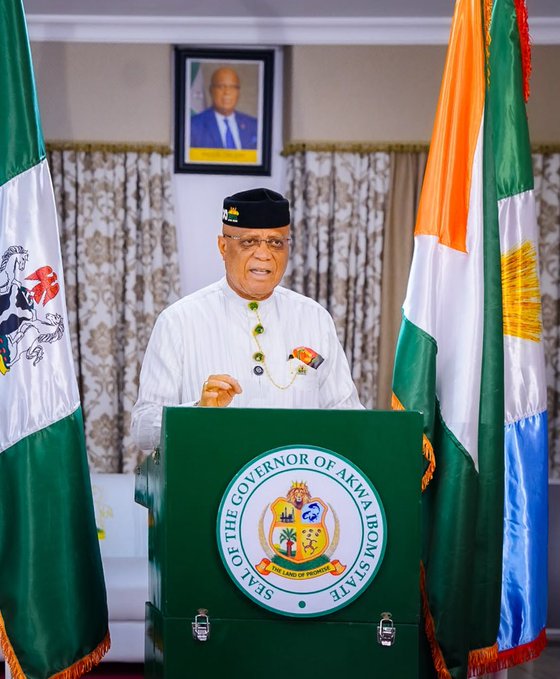
    UYO, Nigeria (NPA) — Akwa Ibom State Governor, Pastor Umo Eno, has thanked residents of the state for their unity and participation in activities marking its 39th anniversary.

    In a statement issued on Thursday and titled “A Note of Gratitude”, Eno said residents across the state came together in unity, love, peace and hope to celebrate the anniversary.

    He also thanked President Bola Tinubu for what he described as his continued support for Akwa Ibom and wished him a safe return to Nigeria from his working vacation abroad.

    “The people of our state look forward to receiving him in our state whenever his schedule permits, to help commission some of the audacious projects we have executed through his bold economic reforms,” he said.

    The governor thanked residents for turning out for the anniversary celebration, saying their presence demonstrated their unity of purpose and commitment to the continued growth of the state.

    Eno urged residents, as the state approaches its 40th anniversary, to avoid divisive rhetoric capable of undermining the peace and unity in the state.

    “Your presence yesterday spoke volumes about our unity of purpose and our unbridled devotion to the continued growth of our state, where the only currency of exchange remains love,” he said.

    “As we march gingerly towards our 40th Anniversary, I urge us all again to refrain from divisive and vile rhetoric capable of disturbing the enduring blocks of unity and peace we have put together and are enjoying in this state.

    “Peace, unity and the spirit of brotherhood are priceless items; we must guard them jealously. Thank you again, and God bless Akwa Ibom State. God bless the Federal Republic of Nigeria.”

  • Enugu Police arrest 30-year-old man over alleged murder of girlfriend

    Enugu Police arrest 30-year-old man over alleged murder of girlfriend

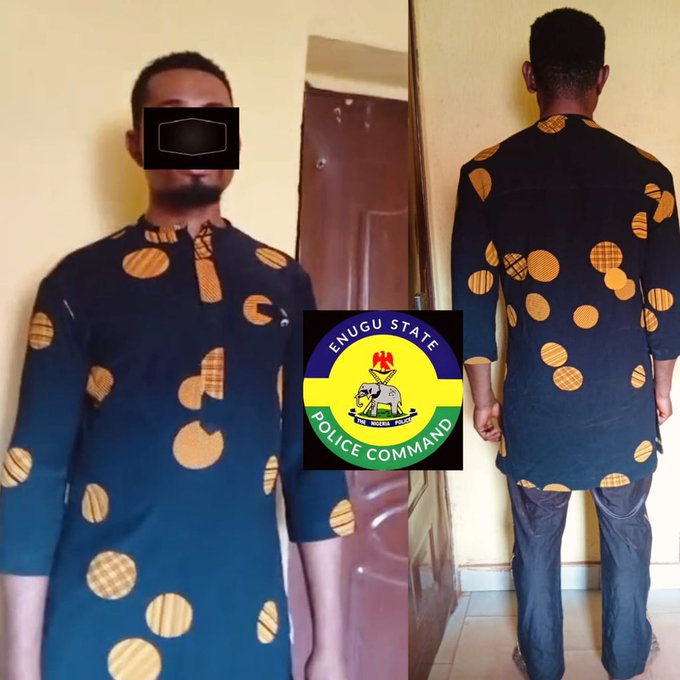
    ENUGU, Nigeria (NPA) — The Enugu State Police Command has arrested 30-year-old Okpara Chibuike Emmanuel of Olympic Layout, One-Day, Enugu, for the alleged murder of his girlfriend, identified as Chinyere, whose surname, age and address are yet to be established.

    The suspect was rescued from an angry mob and re-arrested by operatives of the Awkunanaw Police Division on Sept. 21, 2026, at about 6:30 p.m., following information that he had allegedly killed his girlfriend.

    According to a statement signed by the Police Public Relations Officer, SP Daniel Ndukwe, on Sept. 22, preliminary investigations indicated that the suspect allegedly killed the woman on Sept. 19, wrapped her remains in nylon and concealed them inside the toilet of his apartment.

    The police said the odour from the decomposing remains attracted neighbours, who reportedly forced the door open and apprehended the suspect before the arrival of the police.

    The remains were evacuated to a mortuary for preservation and autopsy, while efforts are ongoing to trace and notify the victim’s relatives.

    During preliminary interrogation, the police said the suspect confessed to the crime, alleging that the incident followed an argument between him and the deceased over accusations concerning who infected the other with HIV.

    The suspect reportedly told investigators that he struck the woman on the head with a pestle during the argument, resulting in her death, before wrapping her remains and concealing them inside the toilet.

    The Commissioner of Police, CP Mamman Bitrus Giwa, has ordered the State Criminal Investigation Department (CID) to conduct a discreet and thorough investigation to establish the circumstances surrounding the incident.

    The police said the suspect will be arraigned in court upon conclusion of investigations.

    Giwa also advised members of the public, particularly young women, to inform trusted relatives or friends of their movements and exercise caution about whom they visit or spend time with.

  • Olukoyede charges religious leaders to preach against corruption

    Olukoyede charges religious leaders to preach against corruption

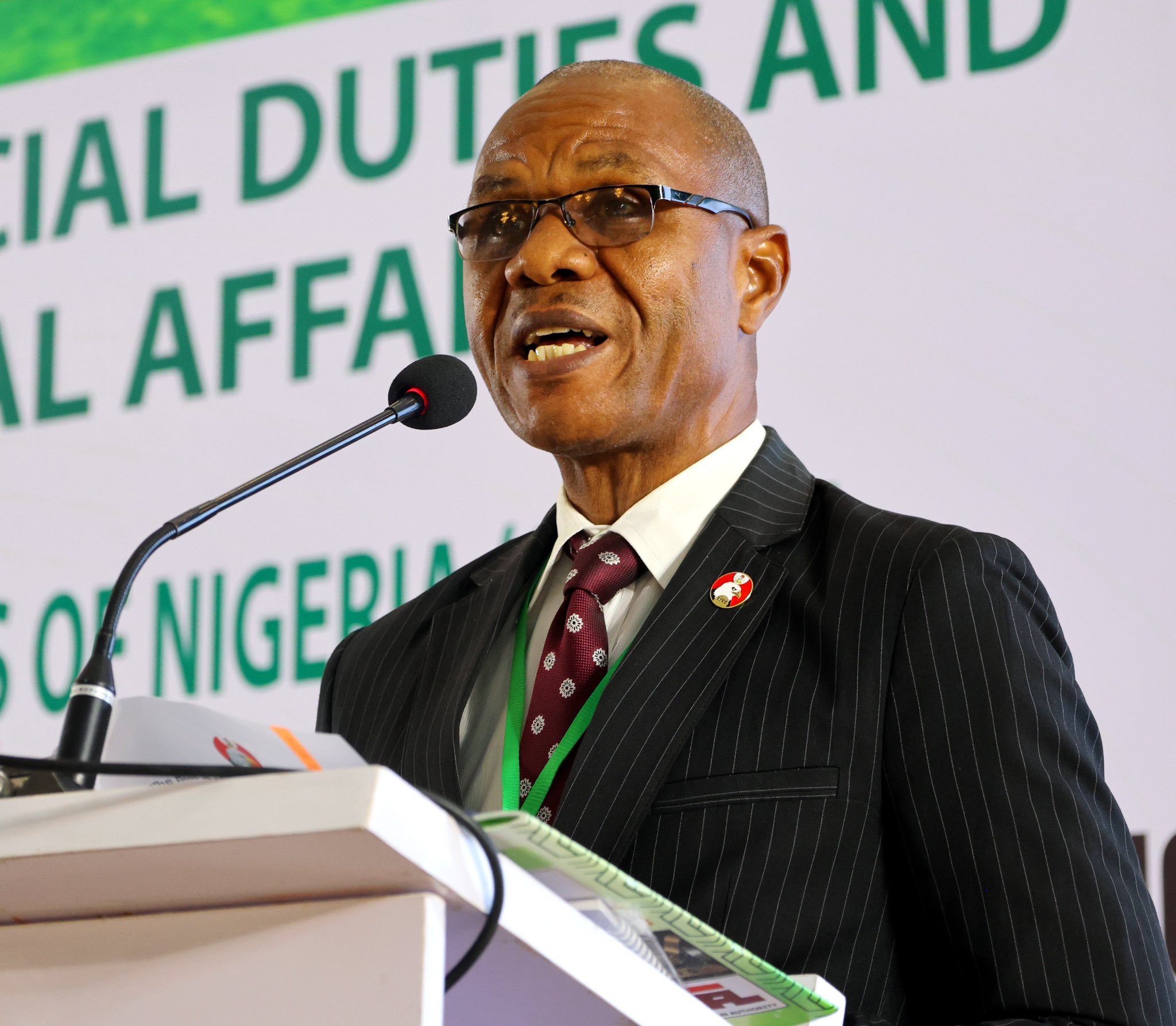
    ABUJA, Nigeria (NPA) — Executive Chairman of the Economic and Financial Crimes Commission (EFCC), Ola Olukoyede, has urged religious leaders across Nigeria to continually preach against corruption and its harmful effects on society.

    Olukoyede made the call in Abuja on Wednesday, Sept. 23, 2026, at the second 2026 Council Meeting of the Nigeria Inter-Religious Council (NIREC) and the launch of the Anti-Corruption Interfaith Manual for religious leaders.

    Presenting a paper at the event, Olukoyede said the theme, “Shared Sacred Flourishing in Nigeria,” required stakeholders in the fight against corruption to recognise that the wellbeing of Nigerians depends on the actions of individual citizens.

    He said acts of corruption undermine shared prosperity and that one of the most consequential contributions religious leaders could make was to restore the moral dignity of honest living.

    According to him, corruption “privatizes what is shared, converts the commonwealth into private advantage, and allows one person to flourish by making many others poorer,” adding that the EFCC’s role was to defend the integrity of the commonwealth.

    Olukoyede said Christianity and Islam could retain their distinctive beliefs and traditions while their adherents worked together to promote peace, justice, human dignity and national wellbeing.

    He said the EFCC had been engaging religious leaders through an interfaith framework to encourage them to incorporate anti-corruption messages into their sermons and teachings.

    “We have been doing this through the inter-faith framework. Over the years, we have specifically spelt out what should be the roles of religious leaders and the doctrine they need to pass down to their followers. We believe that no religion condones corruption and no faith entertains fraudulent engagements,” he said.

    The EFCC chairman said the Commission had also worked with Christian and Muslim leaders over the years to develop an Interfaith Manual outlining the doctrinal positions of the holy books on corruption.

    “We are using this opportunity to launch the Manual which we hope our religious leaders will surely find useful in preaching anti-corruption messages to their members,” he said.

    Olukoyede stressed that corruption and financial crimes had no religious or ethnic boundaries, noting that their effects were felt across society.

    “Financial crime has no religion. Corruption has no tribe. Fraud does not become Christian or Muslim because of the identity of the person accused of committing it,” he said.

    He cited poor healthcare, deteriorating infrastructure, unemployment and inflation as examples of challenges that affect Nigerians regardless of their religious affiliation.

    “We enjoin our pastors and imams to keep faith with the manual and actively engage their members to know why corruption is heinous,” he said.

    Olukoyede urged religious institutions to take a more active role in shaping the values and conduct of Nigerians, saying faith communities could help prevent corruption by promoting honesty and challenging the glorification of wealth without regard to its source.

    “Religious institutions have extraordinary responsibility in Nigeria’s anti-corruption struggle. The EFCC can investigate a person’s conduct. Faith communities can influence that person’s character. We can prosecute fraud. Religious teaching can cultivate honesty,” he said.

    “We can confiscate illicit wealth. Churches and mosques can challenge the values that make society worship wealth without questioning its source. We can punish corruption after the event. Faith can help prevent it before it begins.”

  • NDLEA busts Nigerian-Mexican meth cartel, docks kingpins over Enugu clandestine lab

    NDLEA busts Nigerian-Mexican meth cartel, docks kingpins over Enugu clandestine lab

    ABUJA, Nigeria (NPA) — The National Drug Law Enforcement Agency (NDLEA) has dismantled a Nigerian-Mexican drug cartel allegedly operating a clandestine methamphetamine laboratory in Eziama community, Obeagu, Awgu Local Government Area of Enugu State.

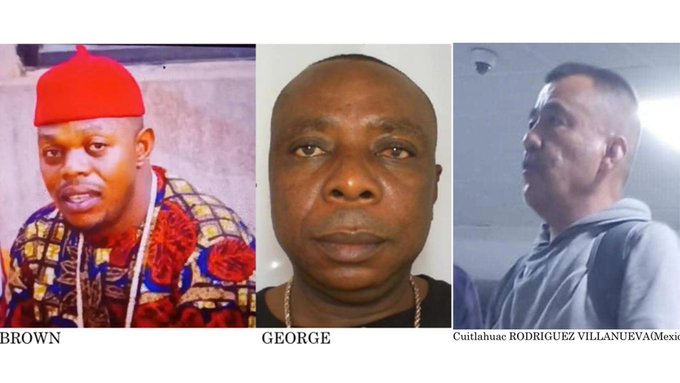
    The operation led to the arrest of two alleged kingpins, 45-year-old Chukwu Obumneme Christopher, alias Brown, and 60-year-old Chukwu Georginus Monday, alias George, following months of intelligence gathering and surveillance.

    According to a statement signed by Femi Babafemi, Director, Media and Advocacy, NDLEA Headquarters, Abuja, on Thursday, Sept. 24, 2026, the suspects allegedly operated the laboratory in partnership with Rodriguez Villanueva, a Mexican national based in Mexico City and described by the agency as a member of a Mexican drug cartel.

    The two suspects were arraigned before Justice Mabel Taiye Segun-Bello of the Federal High Court, Enugu Judicial Division, on a five-count charge bordering on conspiracy, organisation, management and financing of a drug trafficking organisation, and unlawful possession of precursor chemicals used in methamphetamine production.

    Following their pleas, the court fixed Oct. 21, 2026, for trial after the NDLEA applied for an accelerated hearing.

    Also named in the charge and currently at large are Uchenna, alias Uche; Celestine Ikemefuna Iwuchukwu; and Villanueva.

    The NDLEA said investigations by its Special Operations Unit revealed a sophisticated transnational operation. Surveillance conducted between Dec. 1 and 4, 2025, reportedly tracked Brown’s movements across Lagos, Enugu and Anambra states before leading operatives to a compound in Obeagu.

    The agency said the compound housed a clandestine laboratory capable of producing methamphetamine in commercial quantities, equipped with improvised reactors and distillation apparatus. It added that the facility was similar to laboratories recently dismantled in Ogun, Oyo and Ebonyi states.

    A search of the premises reportedly led to the recovery of 690 litres of methylamine, 1,000 litres of isopropyl alcohol, 300 litres of hydrochloric acid, 290 litres each of toluene and acetone, 400 litres of liquid sodium hydroxide, 125kg of N-phenylacetamide, 414kg of lead acetate and 769.6kg of tartaric acid, among other controlled substances.

    The NDLEA said the quantity and combination of chemicals were consistent with a P2P-based methamphetamine manufacturing operation.

    A related search of George’s family residence also led to the recovery of eight large fuel tanks, four commercial gas burners, four dehydrators and 11kg of ephedrine, according to the agency.

    Reacting to the operation, NDLEA Chairman/Chief Executive, Brig. Gen. Mohamed Buba Marwa (Rtd), said the agency would continue efforts to track down suspects linked to the cartel and ensure they face the law.

    Marwa commended the officers involved in the operation, describing the dismantling of the syndicate as further evidence that transnational drug networks would not be allowed to establish themselves in Nigeria.

    He said the agency’s intelligence-driven operations and international partnerships would continue to target loopholes exploited by drug traffickers, while urging NDLEA personnel to sustain enforcement efforts against illicit drug production and trafficking.

  • Olukoyede to local government chairmen: Accountability must reach grassroots

    Olukoyede to local government chairmen: Accountability must reach grassroots

    ABUJA, Nigeria (NPA) — The Executive Chairman of the Economic and Financial Crimes Commission (EFCC), Ola Olukoyede, has assured local government council chairmen and chairmen of traditional rulers’ councils across the country that anti-corruption enforcement will extend to the grassroots to ensure development reaches local communities.

    Olukoyede stated this on Tuesday, September 22, 2026, at the maiden Annual National Conference of Local Government Council Chairmen and Traditional Rulers’ Councils in Abuja.

    According to him, the EFCC’s commitment to accountability extends beyond the federal level, with greater attention to transparency at the sub-national tier.

    He said as more resources flow to local governments, the measure of success would be whether the funds translate into tangible improvements in the lives of people in grassroots communities.

    Olukoyede said the EFCC’s work supports the pillars of President Bola Ahmed Tinubu’s Renewed Hope Agenda and pledged that accountability efforts would extend to the sub-national level.

    “The EFCC is equally committed to transparency and accountability at the sub-national level and would want to see the improved resources flow to the third tier of government translate into improvement in the quality of lives of the grassroots population,” he said.

    Represented by the Director of the Public Affairs Department, Commander of the EFCC, CE Wilson Uwujaren, Olukoyede highlighted the conversion of recovered proceeds of crime into public investment.

    He said the Federal Government had directed ₦50 billion each from recovered funds to the Nigerian Education Loan Fund (NELFUND) and the Nigerian Consumer Credit Corporation (CREDICORP), with further funding subsequently approved.

    He also cited the conversion of the forfeited former NOK University in Kaduna State into the Federal University of Applied Sciences, Kachia, which he said had enrolled 1,909 students by December 2025.

    On national security, Olukoyede said economic crime and security threats could no longer be treated as separate concerns.

    He identified the financing of terrorist organisations, illegal mining, cross-border cybercrime and money laundering as serious security issues.

    The EFCC chairman disclosed that the commission’s specialised enforcement portfolio had recorded 920 cases and 212 convictions, with further investigations and prosecutions ongoing in areas including money laundering, terrorist financing, illegal mining and virtual-assets fraud.

    He added that almost 60 per cent of the commission’s processes and operations had been digitalised, alongside continued investment in its Cybercrime Rapid Response Centre and investigative technology.

    Olukoyede said the measures were aimed at protecting Nigeria’s growing digital economy from fraud and abuse.

    “We will investigate professionally, prosecute on the strength of evidence and respect the constitutional role of the courts in determining guilt or innocence. No title should place anyone outside the reach of the law, but neither should the fight against corruption be separated from due process,” he said.

    Olukoyede also recalled that between October 2023 and the period covered by the commission’s recent stewardship account, the EFCC recorded recoveries exceeding ₦1.233 trillion.

    He added that the recoveries included about $684.48 million, £373,905.78 and €9.34 million in other currencies.

    According to him, roughly two-thirds of the naira recovered was returned to ministries, departments and agencies, state revenue services, companies and individuals.

    He said federal and state tax recoveries alone amounted to about ₦288.1 billion.

  • EACC recovers KSh708,664 from former Homa Bay County official

    EACC recovers KSh708,664 from former Homa Bay County official

    NAIROBI, Kenya (NPA) — Kenya’s Ethics and Anti-Corruption Commission (EACC) has secured an order for the recovery of KSh708,664 from a former Homa Bay County Government employee who received double salary payments for more than three years.

    In a judgment delivered on September 18, 2026, the High Court ordered Evelyne Adhiambo Ogweno, a former medical social worker at Ndiru Hospital Centre in Rangwe Sub-County, and former County Payroll Officer Maurice Ochieng Wambo to jointly and severally refund KSh708,664 to the Government of Kenya.

    According to a statement by the EACC on September 22, 2026, the recovery followed investigations into multiple salary payments to current and former employees of the Homa Bay County Government.

    The investigation established that Ogweno, a former employee of the County Department of Health Services, received additional salary payments between February 2015 and May 2018.

    During the period, she received KSh708,664 in additional payments over and above her regular salary.

    The EACC subsequently filed a recovery suit against Ogweno and three former county payroll officials to recover the additional public funds.

    The recovery forms part of a series of cases filed by the commission following investigations into the alleged loss of KSh42,249,988 through the Homa Bay County Government payroll system.

    In addition to recovering the public funds, the EACC said it was pursuing the prosecution of public officials found to bear the greatest responsibility for the alleged payroll fraud.

  • Amnesty International alleges human rights abuses, mineral trafficking by M23 in DRC

    Amnesty International alleges human rights abuses, mineral trafficking by M23 in DRC

    KINSHASA, DR Congo (NPA) — Amnesty International has accused the Rwanda-backed M23 armed group of committing serious human rights abuses against artisanal miners in eastern Democratic Republic of Congo (DRC), including alleged summary executions, torture, arbitrary detention, forced labour and recruitment.

    In a report published on Monday, September 21, 2026, the rights organisation also alleged that gold and coltan extracted from areas controlled by M23 were being illegally transported to Rwanda through established smuggling networks.

    The report, titled “We’re Not Here to Play: Human Rights Abuses Committed by the M23 in Artisanal Mines and Trafficking of Gold and Coltan to Rwanda,” said the alleged abuses could constitute war crimes.

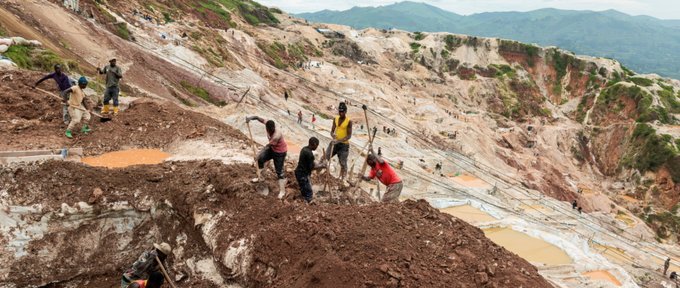
    According to Amnesty International, M23 fighters forced miners to extract minerals at the Rubaya coltan mines in North Kivu and the Lomera gold mine in South Kivu, with some miners allegedly made to work underground for more than a week at a time.

    “The Rwanda-backed M23 is committing terrible atrocities against artisanal miners in eastern DRC, atrocities which could constitute war crimes,” said Agnès Callamard, Secretary General of Amnesty International.

    She alleged that the violence was being used to punish miners and others working in and around the mines and to instil fear, while minerals were being transported to Rwanda.

    Callamard called on the African Union and its member states to take stronger action against what she described as the plundering of African mineral resources and the human rights abuses associated with it.

    “International actors must stop remaining silent in the face of the atrocities committed by the M23, the trafficking of minerals from conflict-affected areas, and Rwanda’s responsibility,” she said.

    Amnesty International said its investigation was based on interviews with 26 people, including artisanal miners, mining industry specialists, mine owners and relatives of victims, as well as analysis of photographs and videos from the mining sites.

    The organisation said testimonies indicated that Rwandans were present at the Rubaya and Lomera mining sites.

    According to the report, some Rwandans at Rubaya worked as civilian miners or mine managers but could also participate in hostilities alongside M23 fighters, while some guards allegedly collaborated with the armed group and beat or mistreated miners.

    Neither the M23 nor Rwandan government officials responded to Amnesty International’s requests for comment, according to the organisation.

    Alleged abuses at mining sites

    Amnesty International said it gathered information on the alleged summary execution of 18 artisanal miners at the Rubaya and Lomera mines.

    According to witnesses and relatives of victims, 10 of the miners were allegedly beaten to death, two were shot and six were abducted before being found dead.

    The organisation also said 16 miners and civilians living near the mines described being tortured or otherwise mistreated by M23 fighters or guards allegedly working with the group.

    Some miners reportedly said they were beaten for requesting breaks, refusing to hand over ore or disobeying orders.

    Amnesty International further alleged that M23 operated detention facilities near Rubaya, including three shipping containers, and used underground detention cells known as ndake.

    The report said more than 20 miners from Rubaya were detained in an ndake and allegedly beaten repeatedly by M23 fighters.

    The organisation also documented allegations of forced recruitment, saying seven miners reported being detained and threatened with transfer to an M23 military training camp if they failed to pay ransom.

    Alleged trafficking of gold and coltan

    Amnesty International said it had gathered evidence that gold from M23-controlled areas was being illegally exported to Rwanda through established smuggling networks.

    The organisation said testimonies from miners and mining representatives in Lomera, together with evidence analysed by its Evidence Lab, indicated that gold-bearing soil extracted from the site was transported by boat to Kamembe in Rwanda’s Western Province.

    According to the report, the material was unloaded at a collection point before entering the supply chain.

    Amnesty International said it believed the appropriation of gold and coltan by M23 likely constituted looting, which is considered a war crime under international law.

    Callamard said the findings should serve as a warning to companies purchasing minerals from Rwanda, arguing that some of the minerals could have been illegally sourced from M23-controlled areas in the DRC.

    “The evidence gathered by Amnesty International and others is such that companies can no longer claim ignorance of these facts,” she said.

    “Purchasing minerals from Rwanda — and from smelters that buy from Rwanda — likely contributes to the human rights abuses committed by the M23 in Rubaya and Lomera.”

    Amnesty International called on states and companies to stop buying coltan and gold from Rwanda, or from third-country processors and refineries sourcing the minerals from Rwanda, until evidence is provided that the minerals are no longer being illegally transported from the DRC.

    It also urged the United States and European Union member states not to enter into mining agreements involving the Rubaya mine or other M23-controlled mines until independent international human rights observers can freely access the sites.

    The organisation said M23 currently controls dozens of artisanal mines across North and South Kivu, where tens of thousands of people depend on mining for their livelihoods.

    Amnesty International said the alleged abuses and mineral trafficking highlighted the need for stronger international action to protect miners and prevent conflict minerals from entering global supply chains.