Category: Crime Diary

  • U.S. Treasury sanctions flotilla organisers, Muslim Brotherhood networks backing Hamas

    U.S. Treasury sanctions flotilla organisers, Muslim Brotherhood networks backing Hamas

    WASHINGTON, D.C. (NPA) — The U.S. Department of the Treasury’s Office of Foreign Assets Control (OFAC) has announced sweeping sanctions against individuals and organisations linked to Hamas, targeting both the organisers of a pro‑Hamas flotilla attempting to reach Gaza and key actors within Muslim Brotherhood networks that support the militant group.

    The action, unveiled on May 19, 2026, reinforces Washington’s determination to dismantle Hamas’s global financial and logistical support structures.

    Treasury Secretary Scott Bessent described the flotilla as “a ludicrous attempt to undermine President Trump’s successful progress toward lasting peace in the region,” adding that the U.S. will continue to sever Hamas’s international funding channels.

    The flotilla was organised by the Popular Conference for Palestinians Abroad (PCPA), a group Washington says is clandestinely controlled by Hamas. OFAC designated four individuals: Saif Hashim Kamel Abukishek, a Spain‑based member of PCPA’s General Secretariat and a central figure in the flotilla’s Steering Committee; Hisham Abdallah Sulayman Abu Mahfuz, acting Secretary General and President of PCPA based in Jordan; Mohammed Khatib, Belgium‑based European coordinator for Samidoun, a PFLP front organisation; and Jaldia Abubakra Aueda, Samidoun’s coordinator in Madrid.

    Treasury noted that so‑called humanitarian flotillas linked to sanctioned groups pose significant compliance risks for financial institutions. It emphasised that legitimate humanitarian aid must be safeguarded, while terrorist‑linked operations will be disrupted.

    The sanctions also extend to Hamas‑aligned religious networks. In 2014, Hamas leaders created a coordinating body to align religious discourse with its ideology, appointing Marwan Abu Ras as head. OFAC designated Abu Ras and the Palestinian Scholars Association for acting on behalf of Hamas.

    OFAC further targeted operatives tied to HASM, an Egypt‑based violent offshoot of the Muslim Brotherhood. Karim Sayed Ahmed Moghny, a Hamas operative who directed militant activity and collaborated with HASM, was designated for supporting both Hamas and HASM. Muhammad Jamal Hassan al‑Najjar, involved in weapons acquisition and funding Hamas salaries, was also sanctioned. Sherif Ahmed Ewis Ahmed, a senior HASM official linked to explosives procurement, was added to the list.

    Under Executive Order 13224, all property and interests of the designated individuals in the U.S. are blocked. U.S. persons are prohibited from engaging in transactions with them, and foreign financial institutions risk secondary sanctions if they facilitate significant dealings.

    Treasury emphasised that the goal of sanctions is not punishment but behavioural change. OFAC reiterated that individuals may petition for removal from the Specially Designated Nationals (SDN) List if they demonstrate compliance with U.S. law.

    Hamas, designated as a Foreign Terrorist Organisation since 2001, continues to rely on international partners to expand its influence and sustain violent operations. The latest sanctions highlight Washington’s strategy of targeting both direct operatives and the wider networks — including flotilla organisers, religious institutions, and Brotherhood affiliates — that enable Hamas’s activities.

    By striking at these financial and organisational lifelines, the U.S. aims to reinforce its broader diplomatic push for peace in Gaza while curbing the reach of groups accused of undermining stability in the Middle East.
  • NDLEA dismantles Nigerian-Mexican meth cartel, seizes N480bn drugs in massive Ogun forest raid

    NDLEA dismantles Nigerian-Mexican meth cartel, seizes N480bn drugs in massive Ogun forest raid

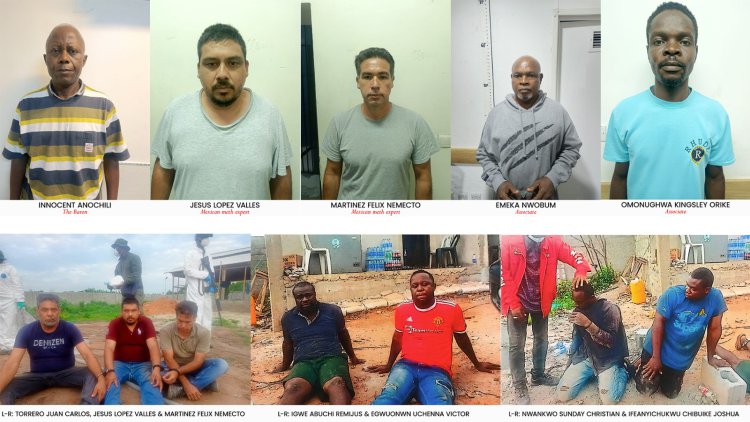
    ABUJA, Nigeria (NPA) — National Drug Law Enforcement Agency has dismantled a major Nigerian-Mexican methamphetamine cartel, arrested its alleged kingpin alongside three Mexican drug experts and six Nigerian collaborators, and seized illicit drugs and chemical substances valued at over N480 billion in what officials described as the biggest methamphetamine bust in Nigeria’s history.

    The operation, carried out by the agency’s Special Operations Unit (SOU), led to the discovery and shutdown of a massive clandestine meth laboratory hidden deep inside Abidagba forest in Ijebu East Local Government Area of Ogun State.

    Addressing journalists at the NDLEA headquarters in Abuja on Wednesday, Chairman and Chief Executive Officer of the agency, Mohamed Buba Marwa, said the operation followed months of intelligence gathering and coordinated surveillance across Ogun and Lagos States.

    According to Marwa, operatives launched simultaneous raids on May 16, 2026, targeting both the hidden laboratory and the luxury Lagos residence of the cartel’s alleged mastermind, identified as Anochili Innocent.

    “The NDLEA has struck another crippling blow to the heart of transnational organized crime,” Marwa said.

    “This network did not just traffic drugs; they were actively manufacturing industrial-scale quantities of highly lethal illicit substances right on our soil, threatening the national security and public health of Nigeria.”

    The NDLEA boss disclosed that seven suspects were arrested inside the forest laboratory, including three Mexican nationals allegedly brought into Nigeria specifically to manufacture methamphetamine.

    The foreign suspects were identified as Martinez Felix Nemecto, Jesus López Valles and Torrero Juan Carlos, while the Nigerian suspects arrested at the lab included Nwankwo Sunday Christian, Igwe Abuchi Remijus, Ifeanyichukwu Chibuike Joshua and Egwuonwu Uchenna Victor.

    Simultaneously, another tactical team stormed the residence of Anochili Innocent at Golf Estate, Lakowe, Lekki, Lagos, where he was arrested.

    Marwa said operatives recovered the international passports and mobile phones of the Mexican suspects from the drug baron’s residence, directly linking him to the recruitment and management of the foreign methamphetamine specialists.

    Further operations carried out on May 18 reportedly led to the arrest of another syndicate member, Kingsley Orike Omonughwa, at a separate property in Mayfair Estate, Lakowe, while investigators also uncovered another stash house allegedly linked to the cartel.

    According to the NDLEA, the operation resulted in the seizure of 2,419.48 kilograms of methamphetamine, precursor chemicals and industrial solvents valued at approximately $362.9 million on the international market, equivalent to more than N480 billion.

    The agency also recovered operational vehicles, including a Toyota Tacoma used at the forest laboratory and a Toyota Highlander linked to the cartel leader.

    “To put this in perspective, the 2,419.48 kilograms of finished and liquid methamphetamine seized represents millions of street doses that would have flooded our local communities and international markets, causing untold destruction, psychosis, and violence,” Marwa stated.

    He warned international drug cartels that Nigeria has become hostile territory for narcotics operations, particularly amid what he described as a growing trend of foreign drug specialists being recruited into local criminal networks.

    “No matter how deep into the bush you hide, no matter how secure your gated estate is, the NDLEA will hunt you down, disrupt your networks, and seize your ill-gotten wealth,” he warned.

    Marwa also urged Nigerians to remain vigilant and report suspicious activities, noting that the forest laboratory operated under the guise of a regular farm.

  • Amnesty International demands RSF remove commander ‘Abu Lulu’ amid war crimes allegations

    Amnesty International demands RSF remove commander ‘Abu Lulu’ amid war crimes allegations

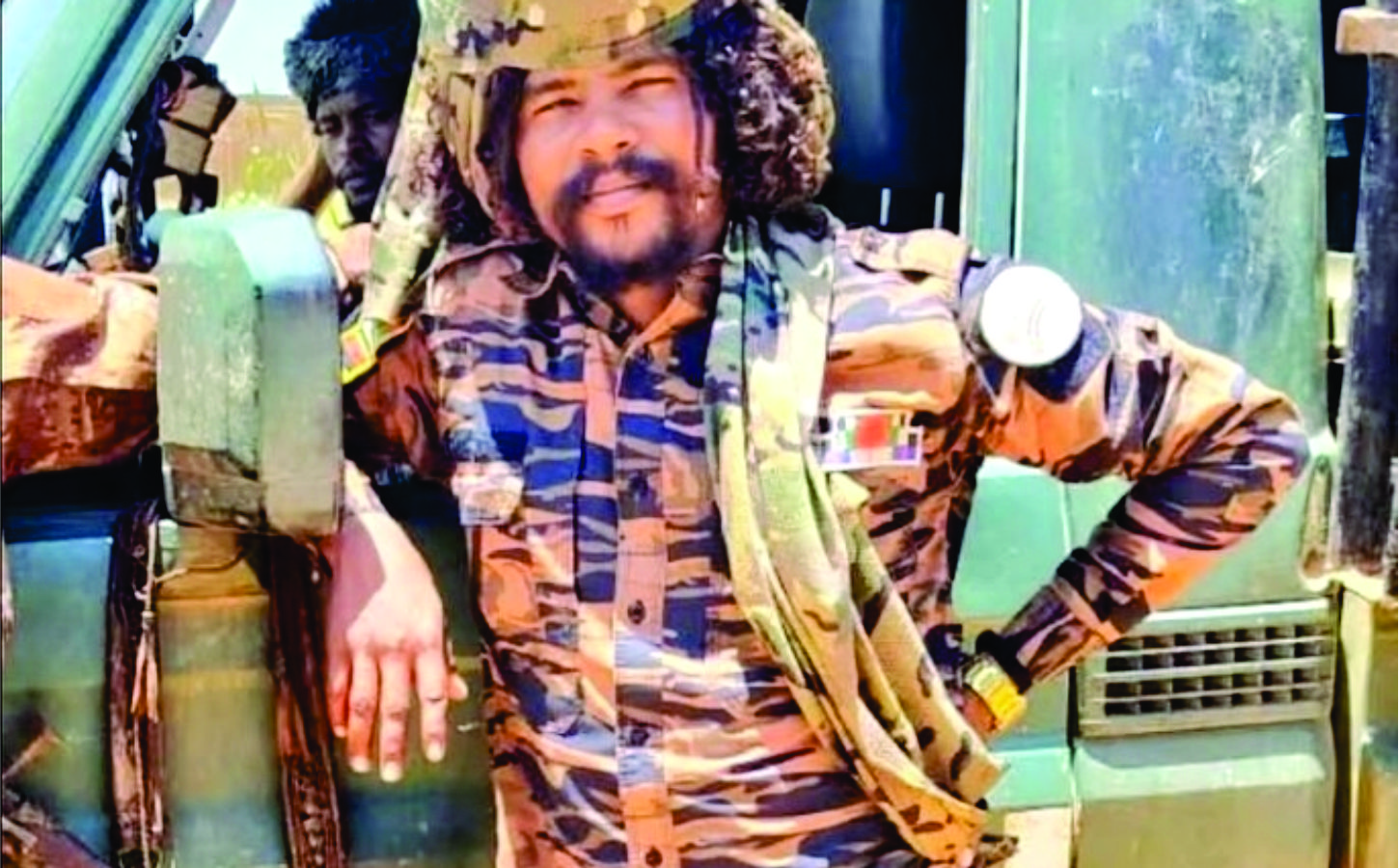
    KHARTOUM, Sudan (NPA) — Amnesty International has called on the Rapid Support Forces (RSF) to immediately remove commander Al‑Fatih Abdallah Idris, widely known as “Abu Lulu”, from the battlefield following fresh reports that he has returned to combat in Sudan despite facing serious war crimes allegations.

    Abu Lulu was reportedly detained by RSF leadership in October 2025 after videos circulated online showing him executing captives in civilian clothing. However, a new Reuters investigation has revealed that he re‑emerged in Kordofan in March 2026, raising alarm among human rights groups.

    “The RSF commander known as Abu Lulu has previously been accused of war crimes committed during the attacks that resulted in the fall of El Fasher last year. It is alarming to learn he has returned to combat without any investigation into the allegations. The RSF leadership must remove Abu Lulu from the battlefield and from their ranks immediately, and he must be investigated for the war crime of wilful killings,” said Tigere Chagutah, Amnesty International’s Regional Director for East and Southern Africa.

    Amnesty stressed that any accountability process must be handled by competent and credible judicial mechanisms, guaranteeing fair trial standards without resorting to the death penalty.

    The organisation reiterated its demand for the RSF to end attacks on civilians and civilian infrastructure, and to guarantee safe passage for those fleeing violence. The ongoing conflict in Sudan, which began in April 2023, has already killed tens of thousands and displaced more than 12 million people, making it the world’s largest humanitarian crisis.

    Amnesty has previously documented war crimes by the RSF and allied Arab militias, including ethnically targeted attacks against the Masalit and other non‑Arab communities in West Darfur.

    The return of Abu Lulu to active combat underscores the broader challenge of accountability in Sudan’s war, where allegations of atrocities continue to mount against both RSF and Sudanese Armed Forces. Amnesty insists that without credible investigations and removal of commanders implicated in abuses, the cycle of violence and impunity will persist, deepening the humanitarian catastrophe.

  • ICPC, law deans move to introduce anti-corruption studies in universities, law school

    ICPC, law deans move to introduce anti-corruption studies in universities, law school

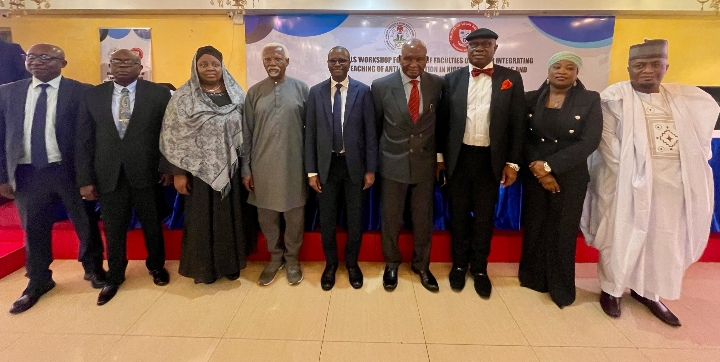
    ABUJA, Nigeria (NPA) — Independent Corrupt Practices and Other Related Offences Commission and Nigeria’s legal education stakeholders are considering the introduction of ethics and anti-corruption studies into university law programmes and the Nigerian Law School curriculum.

    The proposal emerged on Tuesday during the ICPC and Nigerian Law School workshop for Deans of Faculties of Law in Abuja, themed “Institutionalising Anti-Corruption Education in Nigerian Legal Training.”

    Speaking at the event, ICPC Chairman, Musa Aliyu, said corruption continues to weaken institutions, undermine the rule of law and erode public trust in Nigeria.

    According to him, prosecution and investigation alone are insufficient to tackle corruption, stressing that preventive measures and value-based education must begin during legal training.

    He said lawyers occupy a central position in sustaining justice, governance and public confidence, adding that ethical foundations established during legal education would shape the future integrity of the profession.

    Aliyu explained that integrating anti-corruption studies into LL.B. programmes and professional legal training would help produce lawyers who are both intellectually competent and ethically grounded.

    He noted that the initiative aligns with the ICPC’s mandate under the Corrupt Practices and Other Related Offences Act, 2000, which covers enforcement, prevention and public education.

    “The workshop will brainstorm on curriculum content, delivery models and training methodologies for lecturers and facilitators. It will also strengthen collaboration between ICPC, universities and the Nigerian Law School in promoting transparency and accountability,” he said.

    The ICPC chairman added that the framework would emerge through consultation with legal academics rather than being imposed by the commission.

    He urged participants to determine whether anti-corruption studies should be integrated into existing law courses, introduced as general studies, or taught as a standalone subject.

    Aliyu further pledged institutional support for any framework adopted and described the initiative as a pilot programme that could later be expanded to other professional disciplines.

    Also speaking, Chairman of the Council of Legal Education, Emeka Ngige, described corruption as a major obstacle to Nigeria’s economic growth and development.

    Ngige commended the ICPC for organising what he called an “epochal and thought-provoking workshop,” stressing that legal education must produce practitioners equipped with both legal knowledge and strong ethical values.

    “The Nigerian Law School through teaching and learning has emerged as the furnace where future leaders of the Bar and Bench are forged. Infusing anti-corruption studies into the curriculum of the Law School is an idea whose time has come,” he said.

    He argued that introducing anti-corruption education into legal training would strengthen public confidence in the justice system and support the work of anti-corruption agencies.

    Ngige also warned universities against exceeding admission quotas approved for law faculties by the National Universities Commission and the Council of Legal Education.

    He described the practice as a form of corruption capable of placing pressure on the country’s legal education system.

    “It is an act of corruption for any university to deliberately exceed its quota for law students admission,” he warned.

    In his goodwill message, Executive Secretary of the NUC, Abdullahi Ribadu, stressed the importance of universities in shaping ethical behaviour and sustaining value reorientation among young Nigerians.

    Represented by Malam Lawal Farouk, Ribadu said corruption weakens institutions, erodes trust and slows national development, making continuous civic and ethical education necessary.

    “University education goes beyond acquiring certificates and professional knowledge. It is also about shaping the character and civic responsibilities of students and all members of the university community,” he said.

    He noted that universities remain critical platforms for influencing behavioural change because they engage students during formative stages of their lives.

    According to him, the NUC’s Core Curriculum and Minimum Academic Standards (CCMAS) for law programmes already incorporates values such as justice, honesty, fairness, integrity, professionalism and respect for the rule of law.

  • Police dismiss false alarm over alleged bandits/terrorists attack in Ogbomoso, restore calm

    Police dismiss false alarm over alleged bandits/terrorists attack in Ogbomoso, restore calm

    OYO, Nigeria (NPA) — The Oyo State Police Command has assured residents of Ogbomoso and neighbouring Ajaawa Town that peace has been fully restored following panic caused by false reports of a bandit attack near Are‑Ago High School.

    On Monday, May 19, rumours spread across the communities alleging that armed bandits had invaded the area. The Command immediately deployed patrol and surveillance teams to verify the situation and prevent any breakdown of law and order.

    Upon arrival, officers met with the school principal, Mrs Akanbi Ruth, who explained that the alarm originated from students claiming to have seen unfamiliar individuals behind the school fence. This raised suspicion among teachers and students, prompting concern across the school environment.

    In a statement issued today by DSP Ayanlade Olayinka, the Police Public Relations Officer (PPRO), preliminary investigation revealed that the individuals were an officer of the Nigeria Security and Civil Defence Corps (NSCDC) attached to Kwara State Command, Ilorin, alongside two civilians in a Toyota Venza SUV. They explained that they had visited a female companion to celebrate her birthday. NSCDC authorities in Ogbomoso later confirmed the officer’s identity and status.

    During the interaction, an altercation reportedly occurred between some teachers and the visitors, which heightened suspicion. Some students then spread unverified claims to neighbouring schools and communities, escalating tension before the facts were established.

    The Police Command categorically stated that there was no bandit attack, invasion, or security breach in Ogbomoso or Ajaawa. Patrols and visibility policing were immediately intensified, while stakeholders were engaged to reassure residents. Normal academic, commercial, and social activities have since resumed.

    The Command strongly warned against the deliberate spread of fake news and misinformation, stressing that unverified reports can cause unnecessary panic, disrupt socio‑economic activities, and undermine public peace. Individuals found deliberately peddling false information will be investigated and prosecuted.

    Commissioner of Police, CP Abimbola Ayodeji Olugbemiga, urged residents to remain calm, vigilant, and law‑abiding while cooperating with security agencies by sharing credible information that enhances public safety.

  • Kenya suspends nationwide transport strike after deadly fuel price protests

    Kenya suspends nationwide transport strike after deadly fuel price protests

    NAIROBI, Kenya (NPA) — A nationwide public transport strike in Kenya over rising fuel prices linked to the Iran war has been suspended after the government reached an interim agreement with associations representing bus and minibus operators.

    The strike, which triggered widespread protests across the country, was called off on Tuesday following talks between government officials and transport stakeholders.

    Speaking at a joint press conference, Kipchumba Murkomen said the strike had been suspended for one week to allow further negotiations between the government and transport operators.

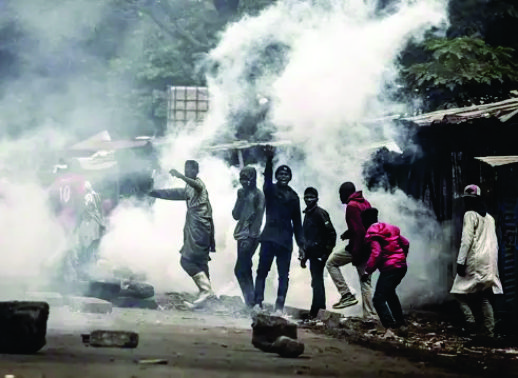
    The protests turned deadly on Monday, with authorities confirming that at least four people were killed while about 30 others sustained injuries during demonstrations linked to the strike and the worsening cost-of-living crisis.

    Negotiations held on the first day of the strike reportedly failed to produce an agreement, despite the government offering to reduce diesel prices by about 10 Kenyan shillings per litre.

    However, transport operators rejected the proposal, insisting on a deeper reduction of 46 shillings per litre, arguing that diesel remains the primary fuel used by public transport operators.

    Opiyo Wandayi disclosed that the government’s proposed reduction would result in a revenue loss of approximately 2.7 billion Kenyan shillings, equivalent to about $20.79 million.

    The fuel crisis and transport shutdown sparked nationwide unrest, with protesters expressing anger over rising living costs and worsening economic conditions.

    Earlier, Newpost Africa reported that the Kenyan Ministry of Interior and National Administration condemned the violence, looting and destruction that erupted during the demonstrations, describing the unrest as politically motivated and infiltrated by criminal elements.

    In a statement, the ministry acknowledged public frustration over soaring fuel prices but warned that attacks on public infrastructure, road blockades and destruction of property would only deepen the crisis.

    Authorities accused criminal groups of targeting government projects and pro-government figures during the protests.

    The government cited the looting of Khetia supermarkets, the burning of a UDA office in Wote, Makueni County, and the torching of trucks at the Rironi-Mau Summit project site as coordinated acts aimed at spreading fear and destabilising the country.

    Officials reaffirmed the government’s commitment to protecting lives and property, warning that those responsible for the violence and destruction would face the full weight of the law.

    The government also maintained that no individual or group would be allowed to exploit public grievances for political gain.

  • Nigerian military, U.S. AFRICOM intensify airstrikes against ISIS terrorists in north-east

    Nigerian military, U.S. AFRICOM intensify airstrikes against ISIS terrorists in north-east

    ABUJA, Nigeria (NPA) — Defence Headquarters has announced the continuation of coordinated military operations targeting ISIS terrorists in Nigeria’s North-East region.

    In a statement issued on May 18, 2026, and signed by Samaila Uba, the Defence Headquarters said the operations were carried out in close coordination with the United States Africa Command.

    According to the statement, additional airstrike operations were successfully executed in the general area of Metele following the observed convergence and movement of terrorist elements within the region.

    The military disclosed that multiple airstrikes conducted during the operation resulted in the elimination of more than 20 ISIS/ISWAP fighters.

    The Defence Headquarters noted that the ongoing offensive follows the earlier neutralisation of ISIS commander, Abu-Bilal al-Minuki, as part of sustained efforts to dismantle terrorist networks and deny insurgents safe havens across Nigeria.

    “The ongoing operations follow the neutralisation of ISIS commander Abu-Bilal al-Minuki and are part of sustained efforts to disrupt terrorist networks, remove them from the battlefield and deny the terrorists any safe haven within Nigeria,” the statement said.

    The Armed Forces of Nigeria reaffirmed its commitment to defending the country’s sovereignty, security and territorial integrity, warning that terrorists threatening national stability would continue to face decisive military action.

    “Terrorists who threaten our citizens, communities and national stability will be located and defeated. There will be no safe haven for all terrorists anywhere in Nigeria,” the statement added.

  • Peter Obi condemns brutal killing of Oyo teacher, says Nigeria “losing its humanity”

    Peter Obi condemns brutal killing of Oyo teacher, says Nigeria “losing its humanity”

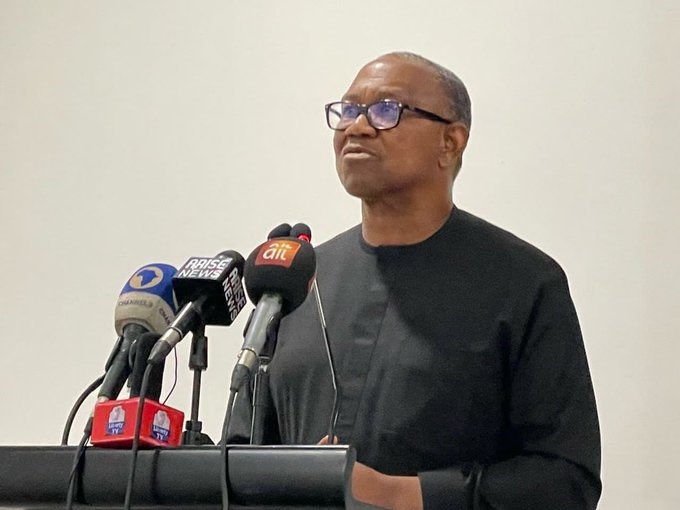
    ABUJA, Nigeria (NPA) — Peter Obi, presidential aspirant and chieftain of the Nigeria Democratic Congress (NDC), has expressed profound shock over the brutal killing of a kidnapped teacher by bandits, following the circulation of a disturbing video on social media.

    In a statement titled “A Nation Losing Its Humanity,” Obi said some tragedies shatter society so deeply that words are no longer enough to describe the pain and horror they inflict.

    He described the killing of the teacher, alongside the reported rape and murder of an elderly woman, as horrifying incidents that reflect a deeper moral and social collapse in the country.

    “How did we get here? How did we reach a point where teachers are hunted and killed, and the elderly — custodians of memory and wisdom — suffer such dehumanising violence?” Obi asked.

    According to him, the incidents go beyond a mere security crisis, warning that Nigeria is witnessing a dangerous erosion of its collective humanity.

    “This is more than a security crisis; it is a failure of collective humanity. We have become desensitised, consuming tragedy briefly and moving on, allowing indifference to normalise the unacceptable,” he stated.

    Obi extended his condolences to the affected families, saying he shares in their grief, but stressed that mourning alone would not solve the growing crisis of violence and insecurity.

    “We must demand accountability and urgent systemic change. If such atrocities no longer move us to action, then we risk losing our shared humanity,” he said.

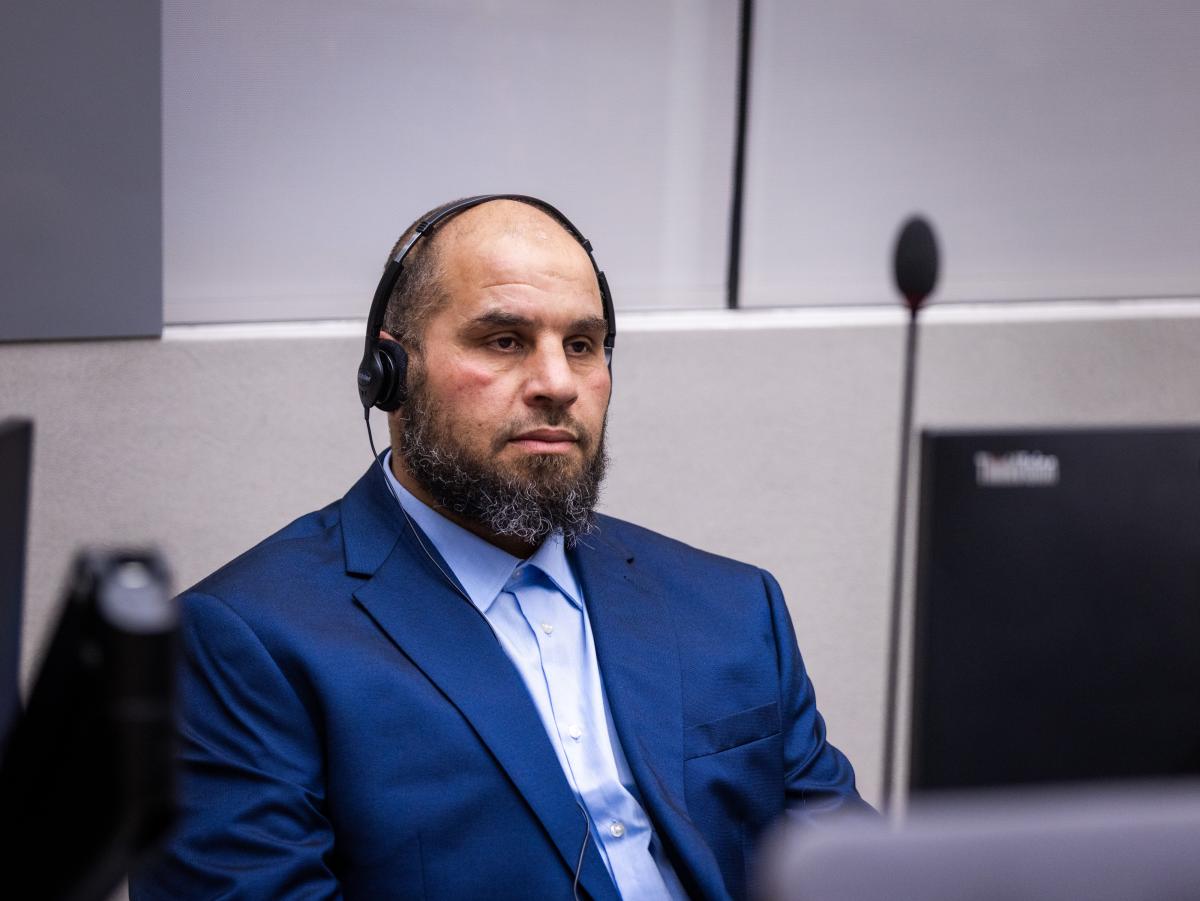
  • ICC to open confirmation of charges hearing in case against Khalid Mohammed Ali Al-Hashri

    ICC to open confirmation of charges hearing in case against Khalid Mohammed Ali Al-Hashri

    THE HAGUE, Netherlands (NPA) — The International Criminal Court (ICC) will begin confirmation of charges hearings in the case of Prosecutor v. Khalid Mohammed Ali Al-Hashri on 19 May 2026 at 10:00 local time in The Hague. The proceedings will be held before Pre-Trial Chamber I, composed of Judge Iulia Antoanella Motoc (Presiding), Judge Reine Adelaide Sophie Alapini-Gansou, and Judge Maria del Socorro Flores Liera.

    Al-Hashri, a former senior official at Mitiga Prison in Libya, is accused of committing war crimes and crimes against humanity between 1 May 2014 and 30 June 2020. The charges include imprisonment, torture, cruel treatment, sexual violence, killings, attempted killings, enslavement, and persecution of detainees. Prosecutors allege he was responsible for 17 counts of crimes committed against thousands of individuals held at Mitiga.

    He was arrested in Germany on 16 July 2025 under an ICC warrant and transferred to ICC custody on 1 December 2025, making his first appearance on 3 December 2025.

    The hearings, scheduled for 19–21 May 2026, will allow the prosecution, defence, and victims’ representatives to present oral arguments. Judges will determine whether sufficient evidence exists to proceed to trial. If charges are confirmed, the case will move to the Trial Chamber.

    The ICC has announced that the hearings will be broadcast online with a 30-minute delay, and attendance will be open to diplomats, civil society, accredited journalists, and the public under strict security protocols.

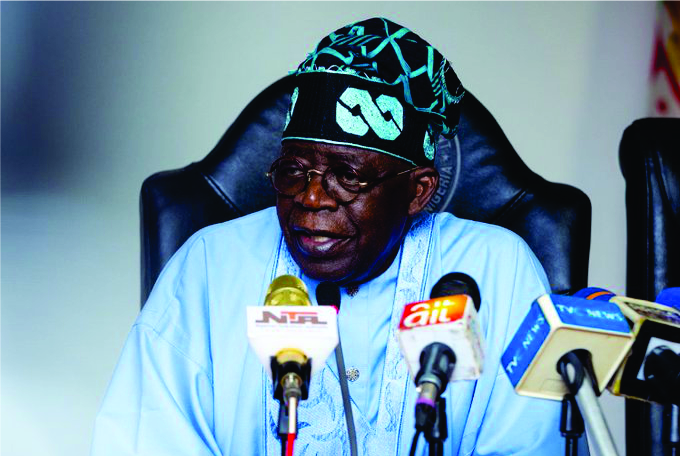
  • JUST IN: Tinubu vows rescue of kidnapped Oyo schoolchildren and teachers, condemns killing of teacher by bandits

    JUST IN: Tinubu vows rescue of kidnapped Oyo schoolchildren and teachers, condemns killing of teacher by bandits

    ABUJA, Nigeria (NPA) — President Bola Ahmed Tinubu has condemned as “barbaric” the reported killing of one of the abducted teachers from Esiele community, Oriire LGA, Oyo State, southern Nigeria, while assuring that federal and state authorities are working tirelessly to rescue all victims.

    In a statement issued by Bayo Onanuga, Special Adviser to the President (Information & Strategy), Tinubu sympathised with Governor Seyi Makinde and the people of Oyo State, pledging federal collaboration to secure the victims. He commended the Inspector-General of Police and state commands for swift deployment of tactical and intelligence teams, noting that the IGP is personally leading a “tech-driven operation” under his instructions.

    Tinubu warned that the perpetrators and their collaborators will be “fished out and made to face the full wrath of the law.” He further stressed that recurring cases of kidnapping highlight the urgent need for state police, urging the National Assembly to accelerate legislation to establish it.

    The President reaffirmed his commitment to restoring normalcy and ensuring justice, insisting that no effort will be spared in rescuing the abducted victims and protecting communities across Nigeria.

    Bandits invaded the community last Friday, abducting staff, students, and pupils from three schools — Community Grammar School, Baptist Nursery and Primary School, and L.A. Primary School — and killing two people. A video of the school principal in captivity pleading for help went viral yesterday, intensifying public concern.

    The latest killing of the teacher while in captivity has been described as an attempt by the bandits to pressure authorities into meeting their demands.

    Last week, another abduction of schoolchildren by terrorists was also reported in Borno State, the epicentre of terrorism and banditry in Nigeria, as the country continues to grapple with worsening insecurity. However, the weekend’s killing of ISIS’s second in command has been hailed widely as a way to weaken the chokehold of the armies of terrorists in the Lake Chad region.