Category: Africa

  • Bloodbath in Tillabéri: Islamic State fighters ambush, kill over seven Nigerien soldiers

    Bloodbath in Tillabéri: Islamic State fighters ambush, kill over seven Nigerien soldiers

    ABUJA, NIGERIA (NPA) — March 25, 2026: An Islamic terrorist group has killed no fewer than seven soldiers of the Nigerien Defence and Security Forces (FDS) in a deadly ambush near Sanam, Tillabéri Region, following an incursion by suspected fighters of the Islamic State in the Greater Sahara (EIGS).

    According to security sources cited by Zagazola Makama, a Security Analyst and Counter-Insurgency Expert with extensive coverage of the Lake Chad region, the incident occurred on Tuesday, March 24, in the Sanam area of Abala Department.

    Reports indicate that heavily armed assailants stormed Wanni village around 9:00 a.m., rustling livestock before fleeing. The FDS launched a pursuit operation but were ambushed during the chase, resulting in heavy casualties.

    A provisional toll confirms that seven soldiers were killed, while two others sustained serious injuries and were evacuated to Niamey for urgent medical treatment. One military vehicle and its crew remain missing as of the time of filing this report, raising concerns about possible abductions.

    Tillabéri Region, located in western Niger and bordering Mali and Burkina Faso, has long been a hotspot of extremist violence. Armed groups linked to the Islamic State in the Greater Sahara continue to stage frequent attacks, exploiting porous borders and targeting both civilians and security forces.

    Security analysts warn that the latest ambush underscores the persistent threat posed by insurgents in the Sahel, highlighting the urgent need for reinforced military operations and regional cooperation to stem the tide of terrorism.

  • Vatican Synod report sparks debate over polygamous marriage among Africans

    Vatican Synod report sparks debate over polygamous marriage among Africans

    LIFESTYLE (NPA) — March 24, 2026 — The Catholic Church’s General Secretariat of the Synod has released the Final Reports of Study Group No. 2, including “To Hear the Cry of the Poor and the Earth” and the Symposium of Episcopal Conferences of Africa and Madagascar (SECAM) Commission’s reflection on “The Pastoral Challenge of Polygamy.”

    The first report emphasises concrete proposals such as establishing an Ecclesial Observatory on Disability, designed by a subgroup largely composed of persons with disabilities. This model aims to amplify the voices of marginalised groups at local and regional levels. On the theological front, the report calls for a theology rooted in listening to the poor and the earth as authentic sources of wisdom. It urges theologians from vulnerable communities to contribute to magisterial documents and highlights the importance of training programs for clergy and laity that integrate direct encounters with marginalised communities. The vision is of a synodal Church that transforms each member into a missionary presence alongside the most vulnerable.

    The SECAM Commission’s report on polygamy responds to the 2023 Synod of Bishops’ request for theological and pastoral discernment. A team of 12 experts from across Africa, representing theology, canon law, anthropology, and pastoral care, prepared the document. After consultations with the Dicastery for the Doctrine of the Faith and discussions at the SECAM Plenary Assembly in Kigali in 2025, the final text was refined and published.

    The report situates polygamy within Africa’s cultural and religious context, recognising the sacred value of family and the desire for numerous offspring. While acknowledging its historical presence, the Church reiterates that Christian marriage is monogamous by theological nature. SECAM excludes recognition of polygamy, recommending that catechumens in polygamous unions embrace monogamy before baptism. This approach, the report stresses, is not exclusionary but rooted in patient accompaniment inspired by Christ’s mercy.

    The dignity of women is central, with Mary presented as a model of evangelisation. The conclusion calls for a “pastoral care of proximity,” welcoming those on spiritual and social peripheries while affirming marriage as a divine gift for sanctification and salvation.

  • Peter Obi says Sheikh Ahmad Tijjani Umar arrested because he visited him in Kaduna

    Peter Obi says Sheikh Ahmad Tijjani Umar arrested because he visited him in Kaduna

    ABUJA, NIGERIA (NPA) — March 24, 2026 — The leader of the African Democratic Congress (ADC) and former Labour Party candidate in the 2023 elections, Mr Peter Obi, has raised an alarm over the arrest of Sheikh Ahmad Tijjani Umar.

    In a statement on Tuesday titled “Troubling Developments in Our Polity that Must Be Nipped in the Bud,” Obi alleged that the revered religious leader was arrested by authorities shortly after hosting him in Kaduna on Sunday.

    A portion of the statement reads: “This development underscores the deeply troubling state of our nation and our democracy, where freedom of speech and movement is increasingly threatened, and where citizens and perceived political opponents face harassment and unnecessary persecution. This cannot be allowed to continue.”

    The presidential hopeful stressed that Nigeria must defend freedom and free speech, which are the hallmarks of every democratic society. He noted that suppression and intimidation of dissent can never stand in a democracy, insisting that the government must understand this fact and act accordingly.

    Obi further emphasised that the country’s fragile democracy requires protection, urging leaders to uphold the rule of law and democratic principles in dealing with citizens. “I respectfully call on all those bent on undermining our already fragile democracy to please stop and apply the rule of law and tenets of democracy in dealing with citizens. -PO,” the statement concluded.

  • Tony Elumelu’s Foundation commits $16m to empower 3,200 young African entrepreneurs

    Tony Elumelu’s Foundation commits $16m to empower 3,200 young African entrepreneurs

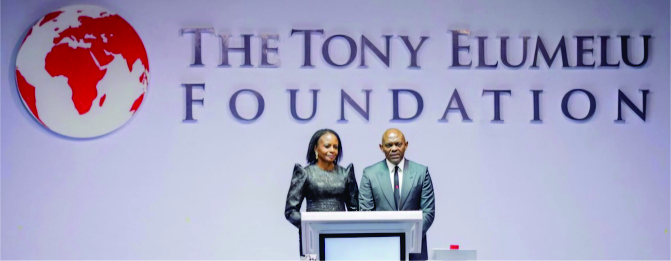
    LAGOS, NIGERIA (Agency Report) — March 24, 2026 — The Tony Elumelu Foundation (TEF) on Sunday unveiled 3,200 new beneficiaries of its 2026 cohort, each receiving a $5,000 empowerment grant for young African entrepreneurs.

    The Foundation said the entrepreneurs would be funded via Heirs Holdings Group Companies, the European Commission, Seme City Development Agency, DEG (German Development Agency), and the IKEA Foundation. Other partners include UNICEF, the Dutch Government, UNDP, and the Rwandan Ministry of Youth and Arts.

    Founder Tony Elumelu described the initiative as vital in providing access to funding, mentorship, coaching, training, and resources to catalyse businesses, drive job creation, and reduce poverty. “With policy clarity and commercial autonomy under President Bola Ahmed Tinubu’s leadership, NNPC Limited is positioned to pursue long-term, value-driven solutions,” he said, stressing that Nigeria remains a credible destination for energy and investment.

    TEF CEO Somachi Chris-Asoluka noted that since 2015, the foundation has disbursed over $100 million to 24,000 entrepreneurs, creating 1.5 million jobs, generating $4.2 billion in revenue, and lifting 3.1 million Africans above the poverty line. She added that 4.1 million households have been positively impacted.

    Chris-Asoluka said TEF will disburse $16 million to support, train, fund, and mentor the 3,200 selected entrepreneurs. Agriculture, retail, AI, ICT, green economy, recycling, education, and healthcare were highlighted as priority sectors.

    The event also introduced six high-achieving alumni from the Democratic Republic of Congo, South Africa, Kenya, Algeria, Mali, and Nigeria, who have transformed TEF’s support into leading businesses across Africa.

  • AU Chairperson Youssouf meets former Tanzanian President Kikwete in Addis Ababa

    AU Chairperson Youssouf meets former Tanzanian President Kikwete in Addis Ababa

    AFRICA (NPA) — March 24, 2026 — The Chairperson of the African Union Commission, H.E. Mahmoud Ali Youssouf, on Tuesday received H.E. Jakaya Kikwete, former President of the United Republic of Tanzania, in Addis Ababa.

    According to a press release from the AU’s press section, the meeting focused on evolving regional dynamics, with particular emphasis on the situation in the Horn of Africa. The exchange provided an opportunity to reflect on ongoing peace, security, and mediation efforts, as well as broader prospects for stability and sustainable development across the continent.

    The statement reads in part: “H.E. Mr Youssouf expressed his appreciation for President Kikwete’s exemplary leadership and distinguished record of service in advancing good governance, regional diplomacy, and multilateral cooperation. He underscored the continued relevance of President Kikwete’s insights and experience in informing Africa’s collective efforts to address emerging challenges.”

    On his part, President Kikwete expressed gratitude to the Chairperson for the warm reception and extended his congratulations on his leadership. He reaffirmed his readiness to support and collaborate with the Commission in advancing its mandate and contributing to the achievement of the African Union’s shared objectives.

  • ECOWAS ministers convene extraordinary meeting on food security to confront global crisis

    ECOWAS ministers convene extraordinary meeting on food security to confront global crisis

    ABUJA, NIGERIA (NPA) — March 24, 2026 — The Economic Community of West African States (ECOWAS) on Monday held an extraordinary meeting of agriculture ministers to address the impact of the international crisis on food security in West Africa and the Sahel.

    In a statement issued March 24, the ECOWAS Commission, through its Department for Economic Affairs and Agriculture, led by Commissioner Kalilou Sylla, confirmed that the meeting was organised in cooperation with the West African Economic and Monetary Union (UEMOA) and the Permanent Inter-State Committee for Drought Control in the Sahel (CILSS). 

    The online session, held on March 23, focused on the effects of soaring oil prices and global disruptions on the fertiliser sector and regional food systems.

    The meeting brought together agriculture ministers, regional agencies, and technical and financial partners. It resulted in proposals for both medium- and long-term operational frameworks aimed at safeguarding food sovereignty and security. 

    Key measures include immediate regional framework agreements to secure strategic volumes and build emergency reserves before prices escalate further, as well as the deployment of liquidity swap lines via central banks to ease foreign currency shortages faced by importers.

    This extraordinary session underscores ECOWAS’s determination to strengthen resilience against external shocks and ensure sustainable food systems for millions across West Africa and the Sahel.

  • Kagame urges Rwandan leaders to shun self‑interest, embrace citizen‑centred governance

    Kagame urges Rwandan leaders to shun self‑interest, embrace citizen‑centred governance

    AFRICA (NPA) — March 23, 2026 — Rwandan President Paul Kagame has called for an immediate end to the culture of leaders exploiting national resources for personal gain rather than serving the common good.

    Speaking at the Rwanda Military Academy – Gako during the closing of a national meeting of Central and Local Government leaders, Kagame emphasised that leadership must be rooted in responsibility and service to citizens.

    According to a statement from the Rwandan Presidency, participants at the meeting deliberated on strategies to strengthen citizen‑centred governance and improve service delivery across the country. Kagame warned leaders that the nation’s interests are inseparable from their own, stressing that selfish leadership undermines national progress.

    He cautioned: “Leaders, if you do not follow up on the work, if you do not follow up on the people under your responsibility so that they can tell you what they think and you can guide them… then whatever level you serve at, what are you really doing?”

    Kagame urged officials to move beyond titles and embrace selfless service, noting that being called “mayor” or “leader” should not be the end in itself. Instead, he said, leadership must be measured by the quality of service delivered to citizens.

    The president’s remarks reinforced Rwanda’s ongoing push for accountability, transparency, and citizen‑focused governance, positioning effective service delivery as the fulcrum of leadership in the country.

  • Rising debt forces 3.4 billion to spend more on loans than health or education

    Rising debt forces 3.4 billion to spend more on loans than health or education

    INTERNATIONAL (NPA) — March 23, 2026 — Calls for a fundamental shift in global economic governance dominated discussions at the Impact Exchange in Geneva, Switzerland, where representatives from nearly 90 Member States, UN agencies, civil society, and experts gathered to advance a “Human Rights Economy.”

    The event, organised by UN Human Rights and the Universal Rights Group with support from the Friedrich Naumann Foundation, came amid warnings of rising inequality, surging debt, and austerity measures that could affect 85 per cent of the world’s population. “Austerity could slash investments in social protection, health, education, and the environment,” cautioned Nada Al‑Nashif, UN Deputy High Commissioner for Human Rights.

    Speakers stressed that economic growth without access to healthcare, education, clean water, decent work, and a healthy environment risks deepening divides. The Human Rights Economy framework, they argued, prioritises people and the planet in fiscal choices, moving beyond GDP as the sole measure of progress.

    Claudia Fuentes Julio, Chile’s Permanent Representative and Vice President of the Human Rights Council, underscored how inequality erodes social cohesion and urged innovative strategies to strengthen democracies. Chile’s reforms include a universal guaranteed pension, free public health services, and gender‑responsive budgeting.

    From The Gambia, Cherno Marenah highlighted people‑centred budgeting and the removal of VAT on sanitary products, while Jawad Ali of Pakistan emphasised constitutional commitments to uplift marginalised communities. Spain’s representative, Miryam Naveiras, pointed to progressive taxation and the Sevilla Declaration as a roadmap for debt relief and climate‑sensitive economic planning.

    South Africa’s Mxolisi Nkosi called for a fairer global financial architecture, stressing that development is a right, not a privilege. Portugal and Malaysia echoed the need for reforms in taxation, trade, and education, while civil society voices urged the adoption of metrics that reflect well‑being, equality, and sustainability.

    Throughout the Exchange, participants agreed that even in tight fiscal times, progress is possible when human rights guide economic choices. OHCHR announced the expansion of its ESCR Knowledge Hub, showcasing promising practices from 2020–2024 to help countries operationalise the Human Rights Economy.

    The message was clear: systemic reform rooted in human rights is essential to confront inequality and achieve the 2030 Agenda.

  • ECOWAS calls for inclusive water governance to transform West Africa

    ECOWAS calls for inclusive water governance to transform West Africa

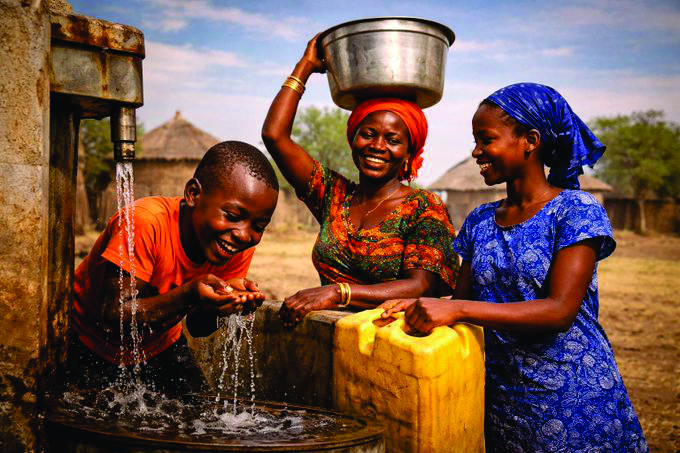
    ABUJA, NIGERIA (NPA) — March 23, 2026 — In the spirit of World Water Day 2026, the Economic Community of West African States (ECOWAS), through its Water Resources Management Centre (WRMC), has urged stronger mobilisation for equitable and inclusive water management across the region.

    World Water Day, established by the UN in 1993, highlights water’s vital role in life, health, dignity, and sustainable development. Yet, over two billion people worldwide still lack safe drinking water.

    This year’s theme, “Water for Equality,” stresses the urgent need to tackle disparities in access to water and sanitation. In West Africa, these gaps disproportionately affect women, youth, and vulnerable groups, who manage water daily but remain underrepresented in decision-making.

    Progress has been made through regional and national policies integrating gender, youth, and social inclusion, alongside programs improving access to safe water for vulnerable communities.

    Still, climate change, population growth, and rising pressure on resources demand a transformation of current approaches. ECOWAS calls for more inclusive, participatory, and sustainable water governance.

    The Commission urges Member States, basin organisations, local authorities, civil society, the private sector, women, and youth to commit to equitable water management.

    In a statement on Monday, ECOWAS said making water a driver of justice, development, and peace is now a strategic priority for West Africa. This momentum will shape the first West Africa Regional Water Forum (FREAO), set for September 2026 in Abidjan, Côte d’Ivoire, under the theme: “Valuing Water to Transform West Africa.”

  • SASSA releases 2026/27 social grant payment dates

    SASSA releases 2026/27 social grant payment dates

    AFRICA (NPA) — March 23, 2026 — The South African Social Security Agency (SASSA) has released the official payment schedule for social grants for the 2026/2027 financial year, giving beneficiaries clarity on when to expect monthly payments.

    In a statement on Monday, the agency said the schedule follows approval by the National Treasury on March 20. For April, older persons will be paid on 2 April, disability grant beneficiaries on 7 April, and children’s grant recipients on 8 April. In May, older persons will receive grants on 5 May, disability grants on 6 May, and children’s grants on 7 May.

    “The principle for determining payment dates is to ensure grants are paid early in the month, staggered over three days. In most months, the old age grant is paid on the 2nd, disability on the 3rd, and children’s grants on the 4th,” SASSA said.

    To ensure smooth functioning of the National Payment System, the agency avoids payments on the 1st of the month, Mondays, weekends, or directly after holidays. If a date falls on a weekend or public holiday, payment will move to the next working day.

    As announced by the Minister of Finance in his Budget Speech, social grants will increase from April:

    • Older Persons, Disability, and Care Dependency Grants rise by R80 to R2,400.
    • War Veterans Grant rises by R80 to R2,420.
    • Foster Child Grant rises by R40 to R1,290.
    • Child Support Grant and Grant-In-Aid rise by R20 to R580.

    SASSA reiterated its commitment to timely payments and urged beneficiaries who experience delays to visit their nearest local office for assistance. Full payment dates are available on the agency’s website. – SAnews.gov.za.