

Amnesty International alleges human rights abuses, mineral trafficking by M23 in DRC
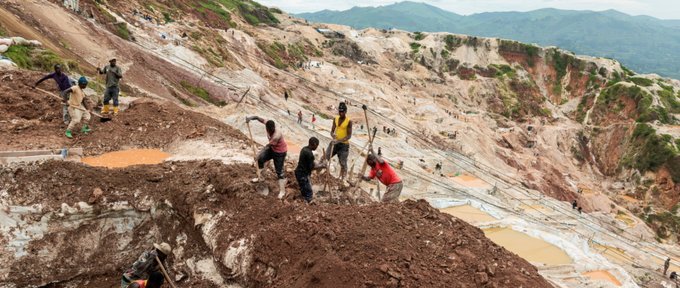
KINSHASA, DR Congo (NPA) — Amnesty International has accused the Rwanda-backed M23 armed group of committing serious human rights abuses against artisanal miners in eastern Democratic Republic of Congo (DRC), including alleged summary executions, torture, arbitrary detention, forced labour and recruitment.
In a report published on Monday, September 21, 2026, the rights organisation also alleged that gold and coltan extracted from areas controlled by M23 were being illegally transported to Rwanda through established smuggling networks.
The report, titled “We’re Not Here to Play: Human Rights Abuses Committed by the M23 in Artisanal Mines and Trafficking of Gold and Coltan to Rwanda,” said the alleged abuses could constitute war crimes.

According to Amnesty International, M23 fighters forced miners to extract minerals at the Rubaya coltan mines in North Kivu and the Lomera gold mine in South Kivu, with some miners allegedly made to work underground for more than a week at a time.
“The Rwanda-backed M23 is committing terrible atrocities against artisanal miners in eastern DRC, atrocities which could constitute war crimes,” said Agnès Callamard, Secretary General of Amnesty International.
She alleged that the violence was being used to punish miners and others working in and around the mines and to instil fear, while minerals were being transported to Rwanda.
Callamard called on the African Union and its member states to take stronger action against what she described as the plundering of African mineral resources and the human rights abuses associated with it.
“International actors must stop remaining silent in the face of the atrocities committed by the M23, the trafficking of minerals from conflict-affected areas, and Rwanda’s responsibility,” she said.
Amnesty International said its investigation was based on interviews with 26 people, including artisanal miners, mining industry specialists, mine owners and relatives of victims, as well as analysis of photographs and videos from the mining sites.
The organisation said testimonies indicated that Rwandans were present at the Rubaya and Lomera mining sites.
According to the report, some Rwandans at Rubaya worked as civilian miners or mine managers but could also participate in hostilities alongside M23 fighters, while some guards allegedly collaborated with the armed group and beat or mistreated miners.
Neither the M23 nor Rwandan government officials responded to Amnesty International’s requests for comment, according to the organisation.
Alleged abuses at mining sites
Amnesty International said it gathered information on the alleged summary execution of 18 artisanal miners at the Rubaya and Lomera mines.
According to witnesses and relatives of victims, 10 of the miners were allegedly beaten to death, two were shot and six were abducted before being found dead.
The organisation also said 16 miners and civilians living near the mines described being tortured or otherwise mistreated by M23 fighters or guards allegedly working with the group.
Some miners reportedly said they were beaten for requesting breaks, refusing to hand over ore or disobeying orders.
Amnesty International further alleged that M23 operated detention facilities near Rubaya, including three shipping containers, and used underground detention cells known as ndake.
The report said more than 20 miners from Rubaya were detained in an ndake and allegedly beaten repeatedly by M23 fighters.
The organisation also documented allegations of forced recruitment, saying seven miners reported being detained and threatened with transfer to an M23 military training camp if they failed to pay ransom.
Alleged trafficking of gold and coltan
Amnesty International said it had gathered evidence that gold from M23-controlled areas was being illegally exported to Rwanda through established smuggling networks.
The organisation said testimonies from miners and mining representatives in Lomera, together with evidence analysed by its Evidence Lab, indicated that gold-bearing soil extracted from the site was transported by boat to Kamembe in Rwanda’s Western Province.
According to the report, the material was unloaded at a collection point before entering the supply chain.
Amnesty International said it believed the appropriation of gold and coltan by M23 likely constituted looting, which is considered a war crime under international law.
Callamard said the findings should serve as a warning to companies purchasing minerals from Rwanda, arguing that some of the minerals could have been illegally sourced from M23-controlled areas in the DRC.
“The evidence gathered by Amnesty International and others is such that companies can no longer claim ignorance of these facts,” she said.
“Purchasing minerals from Rwanda — and from smelters that buy from Rwanda — likely contributes to the human rights abuses committed by the M23 in Rubaya and Lomera.”
Amnesty International called on states and companies to stop buying coltan and gold from Rwanda, or from third-country processors and refineries sourcing the minerals from Rwanda, until evidence is provided that the minerals are no longer being illegally transported from the DRC.
It also urged the United States and European Union member states not to enter into mining agreements involving the Rubaya mine or other M23-controlled mines until independent international human rights observers can freely access the sites.
The organisation said M23 currently controls dozens of artisanal mines across North and South Kivu, where tens of thousands of people depend on mining for their livelihoods.
Amnesty International said the alleged abuses and mineral trafficking highlighted the need for stronger international action to protect miners and prevent conflict minerals from entering global supply chains.

Delta Police arrest six suspected cultists, recover four firearms, six cartridges
2027: APC chieftain Ikechukwu Oloto murdered in Enugu

BREAKING: SERAP urges UN intervention over deaths in NSCDC custody, Minna protests
IGP Disu visits Niger over deaths of 37 miners in NSCDC custody, pledges thorough investigation

Amnesty International demands justice over alleged extrajudicial #EndSARS killing of journalist Pelumi Onifade

Benue Police host political parties, candidates, stakeholders for peace accord

Tinubu orders investigation into deaths of 37 suspected illegal miners in Niger
EFCC-charges-Nigerian-youths-to-make-integrity-their-guiding-principle
- Tinubu commissions NRS Headquarters, says new tax reforms will drive prosperity
- NDC says Presidential Campaign Council will be inaugurated soon
- Climate change anxiety is rising — and so is the willingness to act on it
- Golden Globes want to make a comeback this year. Hollywood isn’t buying
- Baseball boosts TBS, NFL gives ESPN a kick and streamers love ‘Squid’
Community Discussion