

Nigeria targets 30% reduction in cancer burden by 2030 under new National Plan
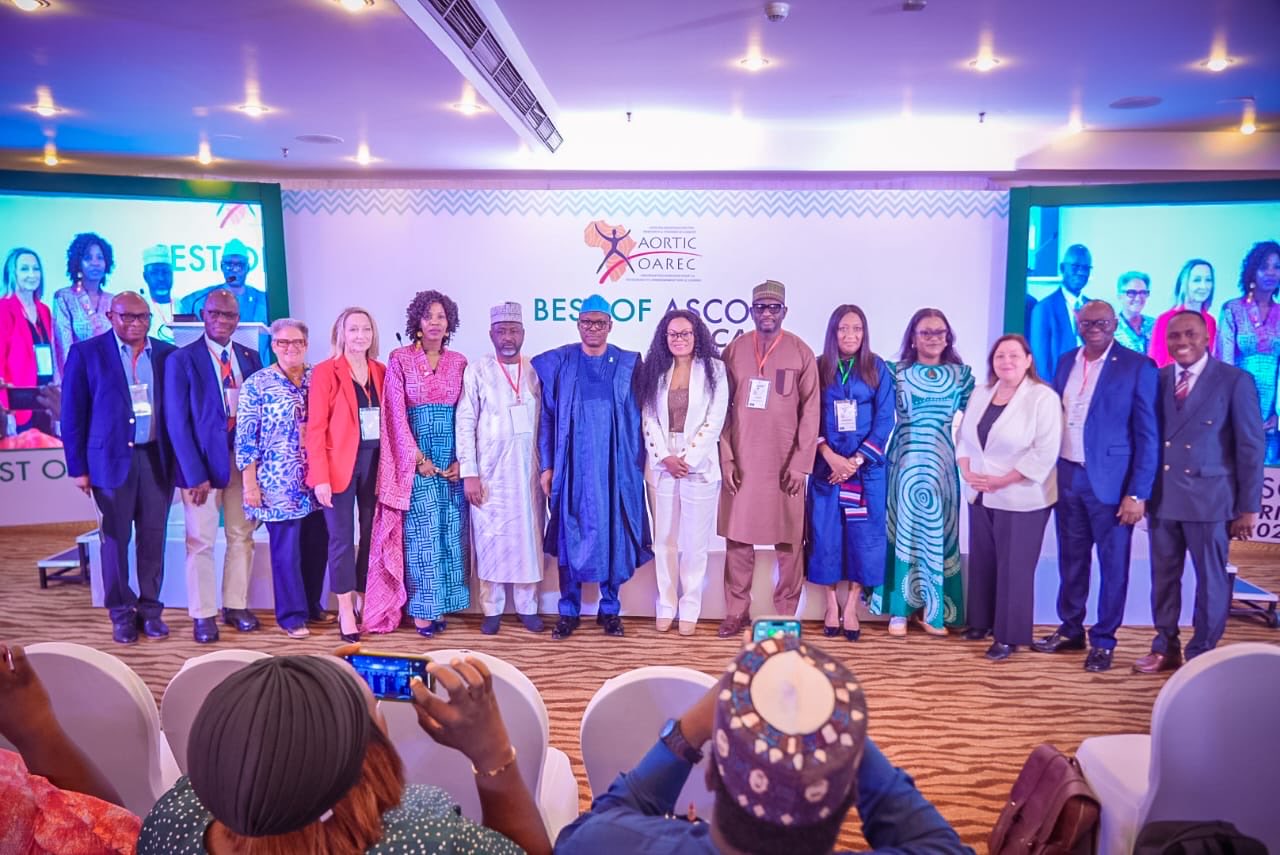
ABUJA, Nigeria (NPA) — The Federal Government has intensified the implementation of the National Cancer Control Plan (NCCP) 2026–2030, targeting a 30 per cent reduction in Nigeria’s cancer burden by 2030 while calling for stronger African collaboration to improve cancer prevention, research and access to quality treatment.
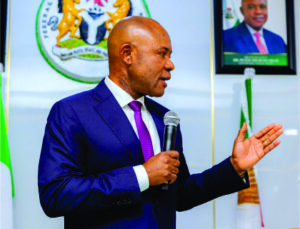
The Minister of State for Health and Social Welfare, Dr Iziaq Salako, disclosed this at the African Organisation for Research and Training in Cancer (AORTIC) Best of ASCO Africa 2026 conference in Abuja.
The regional scientific meeting brings together oncology professionals from across Africa to review and adapt the latest clinical advances presented at the American Society of Clinical Oncology (ASCO) Annual Meeting.

According to Salako, the renewed implementation of the National Cancer Control Plan reflects the Federal Government’s commitment under President Bola Tinubu’s Renewed Hope Agenda to strengthen the fight against non-communicable diseases.
He noted that cancer has become one of Africa’s leading public health challenges, citing recent statistics showing that the continent recorded more than 1.18 million new cancer cases and over 721,000 cancer-related deaths in 2024.
The minister said cancer now claims more lives across Africa than HIV/AIDS, malaria and tuberculosis combined.
He further disclosed that Nigeria accounts for approximately 10.5 per cent of Africa’s total cancer burden, making it one of the continent’s three most affected countries alongside Egypt and South Africa.
According to Salako, the National Cancer Control Plan 2026–2030 provides a comprehensive framework for improving cancer prevention, early detection, diagnosis, treatment, survivorship, research, workforce development, data systems, artificial intelligence, partnerships and resource mobilisation.
“The National Cancer Control Plan provides a comprehensive roadmap for strengthening prevention, early detection, diagnosis, treatment, survivorship, research, workforce development, data systems, artificial intelligence, partnerships and resource mobilisation to improve cancer outcomes nationwide,” he said.
To ensure effective implementation, the minister announced that the Federal Government has inaugurated a multi-sectoral National Technical Working Group comprising clinicians, researchers, cancer survivors, civil society organisations, development partners and private sector representatives.
He explained that the committee would adopt an implementation science approach aimed at translating government policy into measurable improvements in cancer care and patient outcomes.
Salako also challenged African scientists and oncology professionals to generate more research based on African populations instead of relying solely on studies conducted elsewhere.
He stressed that locally generated evidence would help develop treatment approaches better suited to the continent’s unique healthcare realities.
Calling for what he described as “Cancer Care Pan-Africanism,” the minister urged African governments to deepen cooperation in cancer research, innovation, workforce development and access to affordable treatment.
According to him, healthcare should occupy a more prominent position in continental cooperation alongside political, economic and security issues.
He commended the African Organisation for Research and Training in Cancer (AORTIC), the American Society of Clinical Oncology (ASCO) and other partners for organising the conference, describing it as an important platform for adapting global cancer treatment advances to African healthcare systems.
Salako reaffirmed Nigeria’s commitment to providing leadership in cancer education, research, advocacy and strategic partnerships aimed at reducing cancer-related deaths, improving patients’ quality of life and building resilient cancer care systems across Africa.
Ohaukwu LG Chairman Ituma breaks ground for modern diagnostic centre, blood bank
Lagos Government urges residents to prioritise mental health, check on others
Ohaukwu LG Chairman applauds Nwifuru over free health screening, surgery
Uganda vaccinates more than 8.2 million children in Measles-Rubella Campaign
NCDC heightens vigilance after imported Ebola case confirmed in Kenya
NAFDAC DG advocates stronger continental cooperation on food safety
WHO, Netherlands strengthen partnership on Ebola, global health security and emergency response
ESUTH gets N500m surgical upgrade as Mbah pushes for top-tier medical excellence
- Tinubu commissions NRS Headquarters, says new tax reforms will drive prosperity
- Tinubu assures investors of regulatory stability as Ogun, DP World sign $7bn port, SEZ MoUs
- Climate change anxiety is rising — and so is the willingness to act on it
- Ohaukwu LG Chairman Ituma breaks ground for modern diagnostic centre, blood bank
- Baseball boosts TBS, NFL gives ESPN a kick and streamers love ‘Squid’
Community Discussion