

UK sex-grooming scandals expose decades of abuse, institutional failures
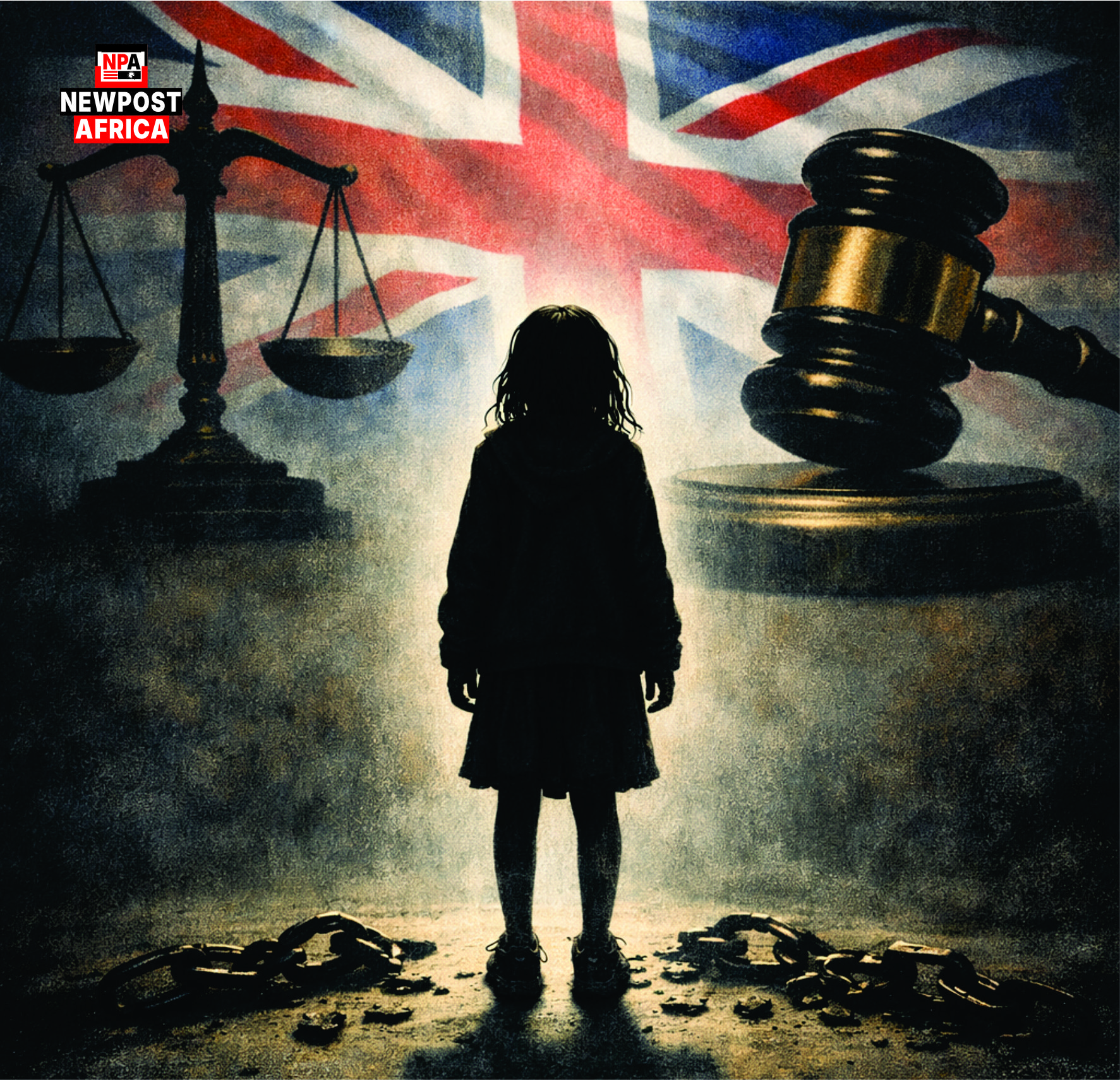
LONDON, United Kingdom (NPA) — The United Kingdom continues to confront the legacy of one of the most disturbing child sexual exploitation scandals in its modern history, with official inquiries revealing widespread institutional failures that allowed the abuse of thousands of vulnerable girls over several decades.
Investigations in towns including Rotherham, Rochdale, Oxford, Telford, and other parts of England uncovered organised grooming networks that targeted young girls, many from disadvantaged backgrounds, subjecting them to sexual exploitation, violence, intimidation, and trafficking.
A series of official reports, criminal prosecutions, and public inquiries have documented how victims were groomed with gifts, alcohol, drugs, and false promises before being repeatedly abused by groups of offenders.

One of the most significant investigations, the 2014 Jay Report, found that an estimated 1,400 children were sexually exploited in Rotherham between 1997 and 2013, despite repeated warnings to local authorities and law enforcement agencies.
The report concluded that police officers, social workers, and local officials failed to act on numerous complaints and intelligence reports, allowing the abuse to continue unchecked for years.
Victims were often dismissed, ignored, or blamed for their circumstances, with some officials reportedly describing them as making “lifestyle choices” rather than recognising them as children being exploited.
The scandal first gained widespread national attention following investigative reports and a series of criminal convictions beginning in the early 2010s.
In 2012, several men were convicted in the high-profile Rochdale grooming case after evidence emerged that authorities had been aware of allegations for years before decisive action was taken.
Subsequent investigations in Oxford, Telford, Derbyshire, and other locations uncovered similar patterns of organised child sexual exploitation and institutional neglect.
Campaigners, survivors, and child protection advocates have since described the scandal as a national disgrace and one of the gravest safeguarding failures in recent British history.
The controversy also sparked debate over whether concerns about racial tensions, community relations, and reputational damage contributed to official reluctance to confront the crimes earlier.
Successive governments have acknowledged serious failures in the protection of vulnerable children and introduced reforms aimed at strengthening safeguarding systems, improving inter-agency cooperation, and enhancing support for survivors.
Despite dozens of successful prosecutions over the years, campaigners argue that many victims are still waiting for justice and that further accountability is needed.
In 2025, the British government launched a statutory independent inquiry to examine the handling of organised child sexual exploitation cases, institutional responses, and the adequacy of support provided to survivors.
The inquiry is expected to assess the actions of law enforcement agencies, local authorities, and other public institutions, while making recommendations to prevent similar failures in the future.
According to the inquiry’s terms of reference published in 2026, investigators will focus on institutional accountability, victim support, safeguarding reforms, and lessons learned from previous cases.
Survivors and advocacy groups have welcomed the inquiry but insist that meaningful justice requires not only prosecutions but also long-term support for victims and greater accountability for officials who failed to act.
Analysts say the grooming scandals with a strong involvement of individuals from Pakistan remain a defining test of Britain’s child protection system, highlighting the consequences of institutional inaction and the importance of safeguarding vulnerable children regardless of political, social, or cultural sensitivities.
More than two decades after the first warnings emerged, the cases continue to shape public debate on child protection, policing, accountability, and the responsibilities of public institutions to protect those most at risk.

Delta Police arrest six suspected cultists, recover four firearms, six cartridges
2027: APC chieftain Ikechukwu Oloto murdered in Enugu

BREAKING: SERAP urges UN intervention over deaths in NSCDC custody, Minna protests
IGP Disu visits Niger over deaths of 37 miners in NSCDC custody, pledges thorough investigation

Amnesty International demands justice over alleged extrajudicial #EndSARS killing of journalist Pelumi Onifade
Benue Police host political parties, candidates, stakeholders for peace accord

Tinubu orders investigation into deaths of 37 suspected illegal miners in Niger
EFCC-charges-Nigerian-youths-to-make-integrity-their-guiding-principle
- Tinubu commissions NRS Headquarters, says new tax reforms will drive prosperity
- Akwa Ibom governor approves appointment letters for 4,000 civil service recruits
- Climate change anxiety is rising — and so is the willingness to act on it
- Golden Globes want to make a comeback this year. Hollywood isn’t buying
- Baseball boosts TBS, NFL gives ESPN a kick and streamers love ‘Squid’
Community Discussion