

LPG retailers urge producers to prioritise local market as cooking gas prices rise
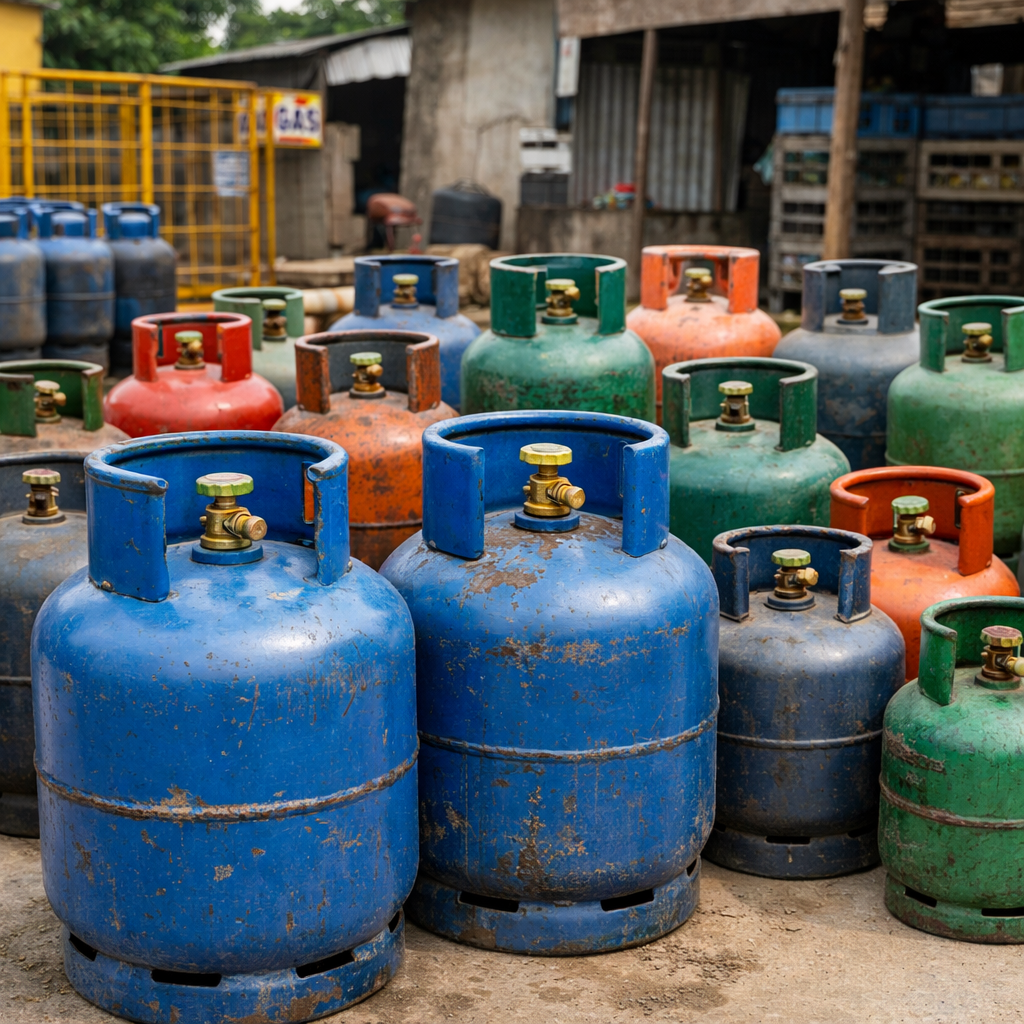
LAGOS, Nigeria (NPA) — The Liquefied Petroleum Gas Retailers Association of Nigeria (LPGAR) has called on local LPG producers to prioritise supplies to the domestic market amid a sharp rise in cooking gas prices across the country.
The association said inadequate local supply, coupled with rising logistics and energy costs, has contributed significantly to the recent surge in prices, placing additional pressure on Nigerian households.
Speaking with journalists, the Public Relations Officer of LPGAR’s Nyanya Branch, Mr. Promise Ajujumbu, attributed the development to a combination of global market pressures and domestic supply constraints.

Cooking gas is currently selling for as much as ₦2,000 per kilogramme among roadside retailers, while major marketers are dispensing the product at about ₦1,600 per kilogramme.
The latest increase has triggered concerns among consumers, many of whom have called on the Federal Government to intervene and ease the burden on households already grappling with rising living costs.
Ajujumbu alleged that some local LPG producers may be prioritising exports over domestic supply due to more attractive returns in international markets.
“The global energy crisis has played a role in the increase in LPG prices, but local factors are also contributing to the problem,” he said.
“There are concerns that some local producers may be prioritising exports because of better returns, and this is affecting product availability in the domestic market.”
According to him, the supply shortfall has significantly increased procurement costs for retailers, with LPG prices rising from about ₦900,000 per metric tonne before the current scarcity to approximately ₦1.7 million per tonne.
“The local market should be adequately supplied before exports are considered,” Ajujumbu said, adding that higher diesel prices have also increased transportation and distribution costs across the supply chain.
However, the Federal Government has dismissed claims that locally produced LPG is being exported at the expense of domestic consumers.
Reacting to the concerns, Mr. Louis Ibah, spokesperson to the Minister of State for Petroleum Resources (Gas), Dr. Ekperikpe Ekpo, said no producer was currently exporting LPG designated for the Nigerian market.
He noted that the government’s ban on LPG exports remains in force and is being enforced by the Nigerian Midstream and Downstream Petroleum Regulatory Authority (NMDPRA).
According to Ibah, marketers have intensified efforts to boost product availability and are importing additional LPG volumes to meet growing domestic demand.
He also disclosed that the new Seplat Gas facility is expected to commence LPG supply to the domestic market in July, a development industry stakeholders believe could significantly improve availability and help stabilise prices.
The development comes amid renewed concerns over energy affordability, as millions of Nigerians increasingly rely on cooking gas as a cleaner alternative to firewood, charcoal, and kerosene.
Dangote commends NGX leadership for transforming Nigeria’s capital market

NNPC records N3.09trn revenue, N279bn profit after tax in July 2026

Ebonyi launches free digital skills training for young people

JUST IN: Nigeria records 4,765 domestic flight delays, 36 cancellations in August — NCAA

Presidential spokesperson Dare speaks on venture architecture for global scale at Imperial College London

X updates Terms of Service, introduces changes to dispute resolution

Nigeria’s Education Minister of State joins UNESCO roundtable on AI in education

Air Peace apologises for flight delays, cites weather, bird strikes, technical issues
- Tinubu commissions NRS Headquarters, says new tax reforms will drive prosperity
- Akwa Ibom governor approves appointment letters for 4,000 civil service recruits
- Climate change anxiety is rising — and so is the willingness to act on it
- Golden Globes want to make a comeback this year. Hollywood isn’t buying
- Baseball boosts TBS, NFL gives ESPN a kick and streamers love ‘Squid’
Community Discussion