

NPA EDITORIAL: World Food Safety Day and the imperative of safe food for all
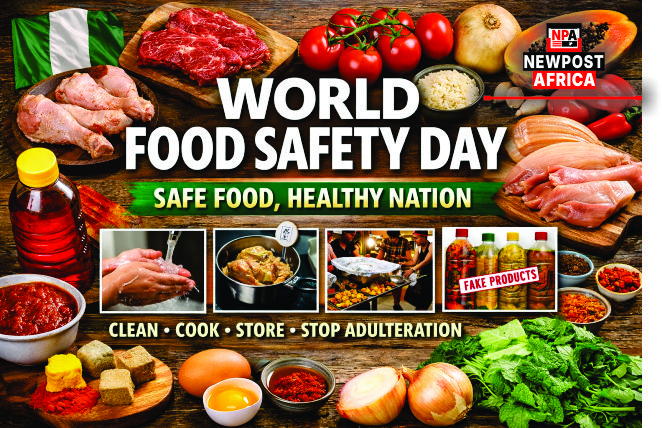
Every year, World Food Safety Day reminds us that the food we eat must not only nourish but also protect us. The World Health Organisation estimates that unsafe food causes more than 600 million cases of foodborne illness annually, with developing countries bearing the heaviest burden. For Nigeria, where food is central to culture, economy, and daily survival, food safety is not a luxury — it is a necessity.
The Nigerian government has taken steps, including the National Policy on Food Safety and Quality, to strengthen regulation and awareness. Yet, the responsibility does not rest with the government alone. It begins in our homes, markets, and streets. Nigerians must embrace safe food handling practices — from washing hands before cooking, to proper storage of perishables, and ensuring meat and fish are cooked thoroughly. These simple acts prevent contamination and protect families from diseases like cholera, typhoid, and diarrhoea.
Street food, a beloved part of Nigerian life, also demands vigilance. Vendors must cover food, maintain clean stalls, and use safe water. Consumers, in turn, should patronise only those who demonstrate hygiene. In markets, butchers and farmers must adopt global best practices, while authorities must sustain inspections and training. Food safety is not just about avoiding illness; it is about protecting livelihoods, reducing healthcare costs, and ensuring productivity.

Households play a critical role. Utensils must be cleaned immediately after use, leftovers stored in airtight containers, and waste disposed of properly to avoid attracting pests. Safe water is essential for washing produce and cooking. These practices, though basic, are powerful shields against contamination.
Yet beyond unsafe handling, Nigeria faces another grave challenge: adulterated food products. Fake palm oil, fake seed oil, counterfeit tomato pastes, harmful confectionery products, and substandard seasonings have infiltrated markets, posing serious risks to public health. These adulterated items often contain harmful chemicals or are produced under unhygienic conditions, leading to long‑term health complications. Combined with poor handling, they create a dangerous cycle that undermines food safety and erodes consumer trust. Tackling this menace requires stronger enforcement, consumer awareness, and accountability across supply chains.
The risks of ignoring food safety are grave. Beyond illness, unsafe and adulterated food undermines Nigeria’s progress toward the 2030 Agenda for Sustainable Development. A nation cannot thrive if its people are weakened by preventable diseases. Food safety is therefore a matter of national security, economic stability, and social well-being.
As we mark World Food Safety Day, the Newpost Editorial Board calls on Nigerians to see food safety as a shared responsibility. Government must enforce standards, vendors must uphold hygiene, and citizens must demand accountability. Safe food is not a privilege for the few; it is a right for all.
Nigeria’s future health and prosperity depend on how we handle the food we eat today. Let us commit to safe practices, support clean markets, and embrace innovation in food handling. In doing so, we protect not only ourselves but generations to come.
Safe food, healthy nation — Nigeria must act now.



- Tinubu commissions NRS Headquarters, says new tax reforms will drive prosperity
- Tinubu assures investors of regulatory stability as Ogun, DP World sign $7bn port, SEZ MoUs
- Climate change anxiety is rising — and so is the willingness to act on it
- Ohaukwu LG Chairman Ituma breaks ground for modern diagnostic centre, blood bank
- Baseball boosts TBS, NFL gives ESPN a kick and streamers love ‘Squid’
Community Discussion