

Protests erupt nationwide as transport operators strike over fuel price hike
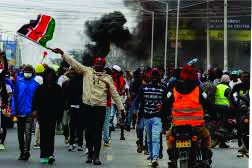
NAIROBI, Kenya (NPA) — Sporadic protests have broken out across Kenya as transport operators launched a nationwide strike on Monday, 18 May 2026, over soaring fuel prices. The demonstrations left commuters stranded, schools closed, and businesses disrupted in major towns, including Nairobi and Mombasa, with police clashing with protesters in several regions.
The strike, described as one of the largest coordinated industrial actions in Kenya’s history, was backed by the Matatu Owners Association, Truckers Association, and Digital Taxi Association. Matatu operators, boda boda riders, taxi drivers, and cargo transport companies halted operations, paralysing public movement and forcing schools to suspend classes due to safety concerns and lack of transport. The protests quickly escalated in Nakuru, Narok, and Machakos, where residents blocked highways and engaged in running battles with police. Teargas was fired in Nakuru and Narok to disperse crowds, while businesses in Nairobi’s central district shut down amid fears of violence.
Protesters demanded the immediate reversal of the fuel price increase, reduction of petrol and diesel costs to about Sh152 per litre, accountability for the alleged importation of substandard fuel, and the dismissal of the Energy Cabinet Secretary.

The fuel hike is linked to the standoff in the Strait of Hormuz between the United States and Iran, which has disrupted global oil supplies. Yesterday, U.S. President Donald Trump warned Iran in a Truth Social post that “time is running out,” raising fears of renewed military confrontation that could further destabilise energy markets.
The ripple effect of this geopolitical standoff has been immediate and severe for Kenya. Transport operators, already struggling with high operating costs, have passed the burden onto commuters, sparking widespread anger.
Kenya’s situation highlights the fragile link between international security and local stability. As tensions escalate in the Gulf, countries across Africa that rely heavily on imported fuel face mounting risks of inflation, social unrest, and political instability. The protests in Nairobi, Mombasa, and other towns are therefore not just about fuel—they are a stark reminder of how global confrontations can ignite local upheaval, forcing governments to balance diplomacy abroad with urgent economic relief at home.

Ghana, UK review bilateral ties ahead of Mahama’s official visit

Nigeria, Ethiopia deepen cooperation on trade and investment
World Bank upgrades Africa growth outlook, says AI could boost jobs and productivity

Uganda vaccinates more than 8.2 million children in Measles-Rubella Campaign

NCDC heightens vigilance after imported Ebola case confirmed in Kenya

Eswatini says three third-country nationals voluntarily return home

NAFDAC DG advocates stronger continental cooperation on food safety

AU Commission Chairperson congratulates Abiy Ahmed on re-election
- Tinubu commissions NRS Headquarters, says new tax reforms will drive prosperity
- Tinubu assures investors of regulatory stability as Ogun, DP World sign $7bn port, SEZ MoUs
- Climate change anxiety is rising — and so is the willingness to act on it
- Ohaukwu LG Chairman Ituma breaks ground for modern diagnostic centre, blood bank
- Baseball boosts TBS, NFL gives ESPN a kick and streamers love ‘Squid’
Community Discussion