

‘Japa Syndrome’ deepens pressure on Nigeria’s healthcare system

ABUJA, Nigeria (NPA) — Nigeria’s healthcare system is facing growing pressure as the migration of frontline health workers, particularly doctors and nurses, continues to rise, leaving hospitals understaffed and patients struggling to access quality medical care across the country.
The trend, popularly referred to as the “Japa syndrome,” has seen increasing numbers of healthcare professionals relocate to countries such as the United Kingdom, Canada, the United States and Saudi Arabia in search of better opportunities.
The development has continued to generate concern among health experts, government officials and citizens over the long-term impact on Nigeria’s already fragile healthcare system.

Some medical practitioners who spoke with the News Agency of Nigeria (NAN) on Monday in Abuja identified poor remuneration, inadequate working conditions, insecurity and limited career opportunities as major factors driving the exodus of healthcare workers.
A medical doctor at General Hospital Suleja, Dr Mercy Agu, described the situation as alarming, warning that hospitals were becoming overstretched as experienced personnel continued leaving the country.
“Many hospitals are overwhelmed because experienced personnel are leaving almost every month.
“Doctors now attend to more patients than they should, and this affects service delivery,” Agu said.
According to her, many healthcare workers endure long working hours with little motivation, while worsening economic conditions and poor welfare packages have made survival increasingly difficult for professionals in the sector.
Another physician, Dr Grace Okafor, said the migration trend had placed enormous pressure on the few remaining healthcare workers, resulting in exhaustion, stress and growing cases of burnout in hospitals nationwide.
“We are exhausted. In some departments, there are only a handful of doctors handling duties meant for many people. Burnout is becoming common,” Okafor said.
A Nigerian doctor currently practising in the United Kingdom, Dr Munir Abdulazeez, said the decision to leave Nigeria was difficult but became necessary because of poor working conditions and limited opportunities for professional growth.
“I loved serving in Nigeria, but the environment was discouraging. Better pay, access to modern equipment, and career advancement opportunities influenced my decision,” Abdulazeez said.
Similarly, a nurse who recently relocated to Canada, Mrs Rauda Bello, said many healthcare professionals were leaving the country in search of dignity, stability and improved welfare conditions.
“In Nigeria, healthcare workers often work under stressful conditions without adequate support. Abroad, there is respect for the profession and better welfare packages,” Bello said.
Health analysts warned that the continued migration of skilled professionals could further weaken Nigeria’s healthcare system, particularly in rural communities where access to qualified medical personnel and essential healthcare services remains limited.
Public health experts also stressed the need for policies aimed at retaining healthcare workers through improved welfare packages, better working conditions and stronger investment in medical training institutions across the country. (NAN)

Ohaukwu LG Chairman Ituma breaks ground for modern diagnostic centre, blood bank

Lagos Government urges residents to prioritise mental health, check on others

Ohaukwu LG Chairman applauds Nwifuru over free health screening, surgery
Uganda vaccinates more than 8.2 million children in Measles-Rubella Campaign

NCDC heightens vigilance after imported Ebola case confirmed in Kenya

NAFDAC DG advocates stronger continental cooperation on food safety
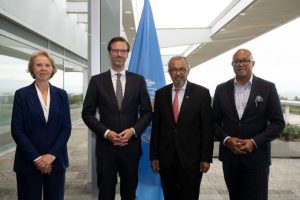
WHO, Netherlands strengthen partnership on Ebola, global health security and emergency response

ESUTH gets N500m surgical upgrade as Mbah pushes for top-tier medical excellence
- Tinubu commissions NRS Headquarters, says new tax reforms will drive prosperity
- Tinubu assures investors of regulatory stability as Ogun, DP World sign $7bn port, SEZ MoUs
- Climate change anxiety is rising — and so is the willingness to act on it
- Ohaukwu LG Chairman Ituma breaks ground for modern diagnostic centre, blood bank
- Baseball boosts TBS, NFL gives ESPN a kick and streamers love ‘Squid’
Community Discussion