

Eswatini marks 40 years of King Mswati III’s reign with grand celebrations
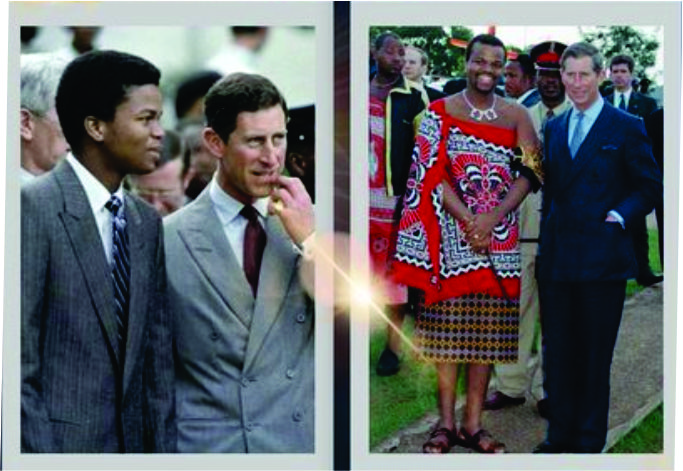
Lagos, Nigeria (NPA) — The government and people of Eswatini on Saturday commemorated the 40th anniversary of the reign of Mswati III, in a colourful display of culture, unity, and national pride.
The celebrations, held across the kingdom, were described by officials as a tribute to “40 Years of Leadership and Legacy Excellence Impact,” highlighting a journey shaped by leadership, service, and national transformation. In an official statement, the government said the milestone was an opportunity to honour the past with gratitude, celebrate the present with pride, and look to the future with hope and confidence.
In Mankayane, large crowds of children, youth, and elders gathered in a vibrant show of solidarity to mark the occasion. The event featured lively performances, including drum majorettes from Mankayane High School, alongside cultural displays by students from Mankayane High School and Ngcoseni Central High School, adding colour and festive energy to the commemoration.
King Mswati III, born Makhosetive Dlamini, was installed on 25 April 1986 at the age of 18, making him one of the youngest monarchs at the time. He ascended the throne following the death of his father, Sobhuza II, after a period of regency. His coronation marked the continuation of Eswatini’s absolute monarchy, with the king retaining significant executive and legislative authority.
Over four decades, his reign has been defined by the preservation of traditional governance through the Tinkhundla system, which emphasises local representation. In 2018, he renamed the country from Swaziland to Eswatini—meaning “land of the Swazis”—in a move aimed at reinforcing national identity and cultural heritage.
The monarch is also credited with promoting cultural traditions, including the Umhlanga (Reed Dance) and Incwala ceremonies, while overseeing infrastructure development and reforms in key sectors such as health and education. However, his reign has also faced sustained calls for political reform, improved human rights, and greater democratisation.
As celebrations continue, the anniversary underscores both the enduring legacy of the monarchy and the evolving aspirations of the Swazi people.

Ghana, UK review bilateral ties ahead of Mahama’s official visit
Nigeria, Ethiopia deepen cooperation on trade and investment

World Bank upgrades Africa growth outlook, says AI could boost jobs and productivity
Uganda vaccinates more than 8.2 million children in Measles-Rubella Campaign

NCDC heightens vigilance after imported Ebola case confirmed in Kenya
Eswatini says three third-country nationals voluntarily return home

NAFDAC DG advocates stronger continental cooperation on food safety
AU Commission Chairperson congratulates Abiy Ahmed on re-election
- Tinubu commissions NRS Headquarters, says new tax reforms will drive prosperity
- Tinubu assures investors of regulatory stability as Ogun, DP World sign $7bn port, SEZ MoUs
- Climate change anxiety is rising — and so is the willingness to act on it
- Ohaukwu LG Chairman Ituma breaks ground for modern diagnostic centre, blood bank
- Baseball boosts TBS, NFL gives ESPN a kick and streamers love ‘Squid’
Community Discussion