

Nigeria’s palm oil output of 1.4 million tonnes falls short of domestic demand — FG
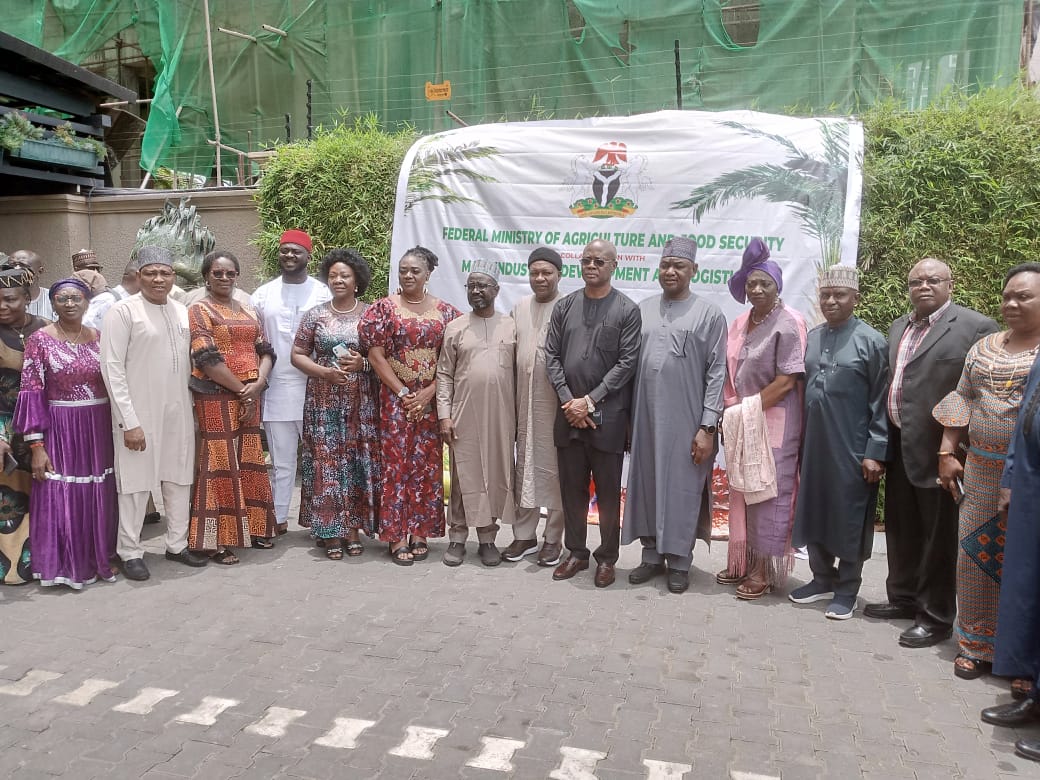
ABUJA, Nigeria — 17 April 2026 (NPA) — The Federal Government has disclosed that Nigeria produces about 1.4 million metric tonnes of palm oil annually, far below the domestic demand of 2.5 million metric tonnes.
The Minister of Agriculture and Food Security, Sen. Abubakar Kyari, made this known on Thursday at the National Stakeholders Meeting on the Joint Development of Nigeria’s Palm Oil Production Capacity in Abuja. Kyari, represented by his Senior Technical Assistant, Mr. Ibrahim Alkali, described the meeting as a strategic platform requiring clarity of purpose, alignment of interests, and decisive action to reposition the palm oil sector.
He recalled that Nigeria was once a global leader in palm oil production in the 1960s, accounting for more than 40 percent of global supply, with the commodity serving as a major export and driver of rural livelihoods and industrial growth. However, he noted that production has declined significantly over the years.

“Today, Nigeria produces approximately 1.4 million metric tonnes of palm oil annually, while domestic demand exceeds 2.5 million metric tonnes,” Kyari said, adding that the shortfall of over one million metric tonnes forces the country to spend between $500 million and $600 million annually on imports.
He stressed that Nigeria has more than three million hectares of land suitable for oil palm cultivation, much of which remains underutilised, even as global demand for palm oil continues to rise, with the market valued at over $70 billion annually across food, cosmetics, pharmaceuticals, and biofuels.
Kyari emphasised that Nigeria’s challenge is not lack of potential but the scale and coordination of its response. He said the Federal Government, under President Bola Tinubu, is prioritising agriculture as part of its economic diversification agenda through the Renewed Hope Agenda. He added that the ministry has validated the National Oil Palm Development Strategy to reposition the sector and called on stakeholders to collaborate in unlocking its full potential.
Earlier, the Permanent Secretary of the ministry, Dr. Marcus Ogunbiyi, represented by Mr. Abba Waziri, Director of Farm Input Support Services, described the meeting as timely and necessary to transform the palm oil industry. He said the presence of stakeholders reflected a shared commitment to sustainable growth, national prosperity, and global competitiveness.
In a presentation, Mr. Emmanuel Anyaralu, Managing Director of Mass Industrial Development and Logistics, outlined strategies for strengthening the sector through strategic partnerships. He said the development plan was designed to stimulate rural economies, create jobs, and enhance food security.

Dangote commends NGX leadership for transforming Nigeria’s capital market

NNPC records N3.09trn revenue, N279bn profit after tax in July 2026
Ebonyi launches free digital skills training for young people

JUST IN: Nigeria records 4,765 domestic flight delays, 36 cancellations in August — NCAA

Presidential spokesperson Dare speaks on venture architecture for global scale at Imperial College London

X updates Terms of Service, introduces changes to dispute resolution
Nigeria’s Education Minister of State joins UNESCO roundtable on AI in education

Air Peace apologises for flight delays, cites weather, bird strikes, technical issues
- Tinubu commissions NRS Headquarters, says new tax reforms will drive prosperity
- Akwa Ibom governor approves appointment letters for 4,000 civil service recruits
- Climate change anxiety is rising — and so is the willingness to act on it
- Golden Globes want to make a comeback this year. Hollywood isn’t buying
- Baseball boosts TBS, NFL gives ESPN a kick and streamers love ‘Squid’
Community Discussion