

U.S. assure of energy security amid Iran conflict
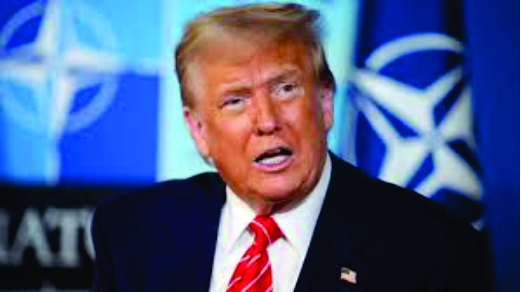
WASHINGTON, D.C. (NPA) — March 5, 2026 — The United States government has sought to calm fears of an energy crisis as military operations with Israel against Iran intensify. White House Press Secretary Karoline Leavitt said Thursday that President Donald Trump’s administration has positioned the U.S. as the world’s largest producer of crude oil and natural gas, ensuring resilience against supply shocks.
Leavitt noted that beyond domestic production, Washington is exploring opportunities to strengthen energy dominance by tapping newly discovered reserves in Venezuela. She added that the U.S. Development Finance Corporation will provide political risk insurance for crude carriers and cargo ships operating in the Gulf, while the U.S. Navy stands ready to escort tankers through the Strait of Hormuz if necessary. “Rest assured — President Trump’s entire energy team has been preparing for this, and they are all over it,” she said.
Global oil markets, however, have already reacted sharply to the conflict. Crude prices surged more than 8% in early March, with gas and LNG markets also spiking amid fears of prolonged supply disruptions. Analysts warn that higher energy costs could fuel inflation worldwide, while investors have shifted toward gold and defence stocks as safe havens. Iran’s Revolutionary Guard has claimed to have shut the Strait of Hormuz, a critical chokepoint for global oil flows, raising concerns of sustained price volatility.

In Nigeria, as the hostilities pushed global crude prices above $90 per barrel, petrol prices rose to ₦824–₦880 per litre, with regional variations based on transport and supply chain costs.
Economic forecasters, including Oxford Economics, project that the war could last weeks or months, keeping energy markets unstable. Morgan Stanley cautioned that inflationary pressures may constrain central banks, limiting their ability to raise interest rates. The longer the conflict and Gulf disruption persist, the more severe the global economic fallout is expected to be.
Dangote commends NGX leadership for transforming Nigeria’s capital market

NNPC records N3.09trn revenue, N279bn profit after tax in July 2026
Ebonyi launches free digital skills training for young people

JUST IN: Nigeria records 4,765 domestic flight delays, 36 cancellations in August — NCAA

Presidential spokesperson Dare speaks on venture architecture for global scale at Imperial College London

X updates Terms of Service, introduces changes to dispute resolution
Nigeria’s Education Minister of State joins UNESCO roundtable on AI in education

Air Peace apologises for flight delays, cites weather, bird strikes, technical issues
- Tinubu commissions NRS Headquarters, says new tax reforms will drive prosperity
- Akwa Ibom governor approves appointment letters for 4,000 civil service recruits
- Climate change anxiety is rising — and so is the willingness to act on it
- Golden Globes want to make a comeback this year. Hollywood isn’t buying
- Baseball boosts TBS, NFL gives ESPN a kick and streamers love ‘Squid’
Community Discussion