

Lagos consumers wary of suspected palm oil adulteration
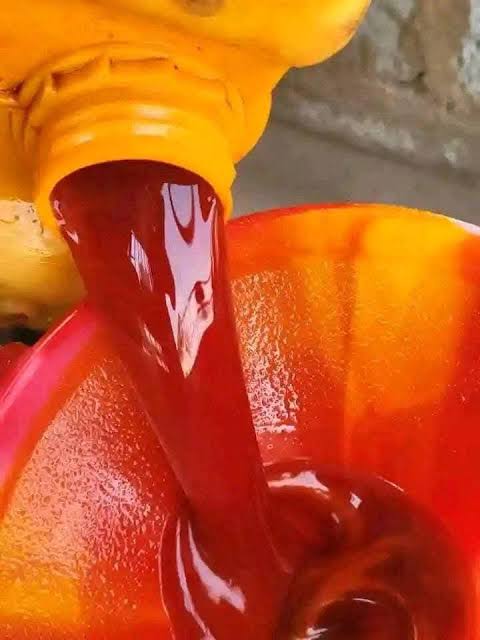
LAGOS, Nigeria (Agency Report) — Some consumers and traders in Lagos have raised concerns over suspected adulteration of palm oil, saying they increasingly rely on its taste, colour, aroma and consistency to assess its quality.
The consumers and traders shared their experiences in separate interviews with the News Agency of Nigeria (NAN) on Sunday in Lagos.
For some consumers, identifying genuine palm oil has become a matter of careful observation before purchasing or using the product, amid concerns over how it is processed, transported and stored before reaching the market.

Mrs Chidinma Nwabueze, a palm oil trader at Oyingbo Market, said she sourced her products mainly from trusted factories and major suppliers, including suppliers in the eastern part of the country.
Nwabueze said familiarity with palm oil was important in detecting suspected adulteration because some mixed products could appear similar to genuine palm oil.
She said consumers unfamiliar with the product might not detect suspected adulteration until they used the oil for cooking.
“Someone who is very familiar with palm oil will be able to differentiate the original and the mixed one through its colour, thickness and smell,” she said.
Nwabueze added that genuine palm oil required only a small quantity to give food its desired reddish colour, whereas suspected products mixed with colouring substances might require more oil to achieve a similar appearance.
Ms Goodness Okoro, a resident of Apapa Road, said her concerns about the quality of some palm oil arose while preparing soup.
Okoro said she used more than her usual quantity of oil but failed to achieve the expected colour and consistency.
“I look out for the taste and colour to ensure good quality. I am very much concerned about the health implications of adulterated palm oil,” she said, adding that she would be willing to pay more for quality palm oil.
Another consumer, Mummy Joy of Ikotun, said she had heard of palm oil being mixed with other substances but was not familiar with the specific substances allegedly used.
She said she sourced her palm oil directly from the eastern part of the country and relied mainly on its appearance and taste.
Mr Okoro Ebube, a resident of the Costain area, also expressed concern over what he described as the prevalence of suspected adulterated palm oil.
Ebube alleged that some suppliers mixed palm oil with colouring substances, making it difficult for consumers to distinguish the products from genuine palm oil.
He said he assessed palm oil by its taste, sediment and colour, adding that genuine palm oil from his village could retain its quality and colour for a long period.
“I can identify it through the taste, the sediment and the colour,” he said, explaining that he used those characteristics to distinguish what he considered genuine palm oil from mixed products.
Ebube called on relevant authorities to investigate the issue and urged those involved in allegedly mixing palm oil with colouring substances to desist, citing possible health concerns.
Meanwhile, the Lagos State Consumer Protection Agency has raised concerns over what it described as the increasing sophistication of palm oil adulteration.
The agency urged consumers to remain vigilant when purchasing palm oil.
The warning followed a technical presentation at the Lagos State Food Safety Conference and Exhibition 2026.
(NAN)



- Tinubu commissions NRS Headquarters, says new tax reforms will drive prosperity
- First in Africa: Lagos unveils GBV prevention policy to strengthen prevention, accountability
- Climate change anxiety is rising — and so is the willingness to act on it
- Golden Globes want to make a comeback this year. Hollywood isn’t buying
- Baseball boosts TBS, NFL gives ESPN a kick and streamers love ‘Squid’
Community Discussion