Category: Crime Diary

  • JUST IN: CDCFIB clarifies dress code for recruitment medical screening

    JUST IN: CDCFIB clarifies dress code for recruitment medical screening

    ABUJA, Nigeria (NPA) — The Civil Defence, Correctional, Fire and Immigration Services Board (CDCFIB) has clarified that there is no prescribed dress code for applicants participating in the medical screening exercise for the 2025 recruitment into the Nigeria Correctional Service (NCoS), Nigeria Immigration Service (NIS), Federal Fire Service (FFS) and the Nigeria Security and Civil Defence Corps (NSCDC).

    The Board made the clarification in a public notice issued on Friday ahead of the commencement of the medical screening exercise scheduled for June 22, 2026.

    According to the CDCFIB, applicants are expected to appear for the screening in normal and decent attire and should disregard any contrary information circulating on social media or other unofficial platforms.

    The Board also advised candidates not to bring their credentials to the screening centres, stressing that document verification would not be conducted during the exercise.

    “Applicants are advised to appear for the exercise in their normal and decent attire. They are also advised not to come with their credentials, as no document verification will be conducted during the medical screening exercise,” the notice stated.

    The Board warned applicants against relying on unofficial directives instructing them to wear specific outfits or present credentials at the screening venues.

    It emphasised that such information did not originate from the Board and should be ignored.

    “Any information directing candidates to wear a particular dress code or bring their credentials should be disregarded, as such directives did not emanate from the Board,” it added.

    The CDCFIB urged all applicants to obtain information only through its authorised communication channels and to comply strictly with official guidelines issued for the recruitment exercise.

    The Board further wished all candidates success in the forthcoming medical screening and reiterated its commitment to ensuring a transparent and credible recruitment process.

    The medical screening forms part of the ongoing 2025 recruitment exercise into the four paramilitary agencies under the supervision of the CDCFIB.
  • NDLEA, UNODC unveil weeklong activities for 2026 World Drug Day

    NDLEA, UNODC unveil weeklong activities for 2026 World Drug Day

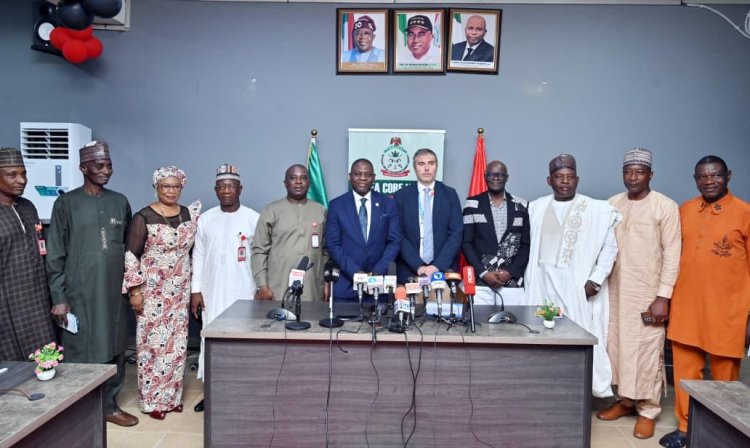
    ABUJA, Nigeria (NPA) — The National Drug Law Enforcement Agency (NDLEA) and the United Nations Office on Drugs and Crime (UNODC) have unveiled a weeklong programme of activities to mark the 2026 World Drug Day, with the anti-narcotics agency reaffirming its commitment to dismantling drug trafficking networks and depriving criminal syndicates of their financial resources.

    The activities were announced on Friday during a joint press briefing by the NDLEA and UNODC at the agency’s headquarters in Abuja.

    Speaking at the event, NDLEA Chairman and Chief Executive Officer, retired Brig.-Gen. Mohamed Buba Marwa, said the annual observance provides an opportunity to assess progress in the fight against illicit drugs and chart a course for future interventions.

    Represented by the Secretary of the agency, Mr Shadrach Haruna, Marwa said the theme for this year’s commemoration, “The World Drug Problem: Persisting Issues, New Challenges, Innovative Responses,” reflects the changing dynamics of the global drug landscape.

    According to him, emerging threats such as synthetic drugs, sophisticated trafficking networks and digital drug markets require innovative and technology-driven responses.

    “At the NDLEA, we have long recognised that old strategies cannot solve new problems. Under the continuous support of the Federal Government and our diverse stakeholders, we have heavily modernised our operations and balanced our enforcement capabilities with aggressive social advocacy,” he said.

    Marwa noted that the agency’s flagship War Against Drug Abuse (WADA) campaign remains central to its preventive efforts and has been strengthened through the use of data, community intelligence and innovative public enlightenment strategies.

    He announced that the weeklong activities would begin with a special Juma’at prayer at the National Mosque in Abuja on Friday and continue with a Walk Against Drugs on Saturday in collaboration with Baze University, Nile University and the MTN Foundation.

    Other activities include a thanksgiving church service, a national essay competition for students, an NGO engagement day and a youth outreach programme targeting vulnerable groups in markets and motor parks across the Federal Capital Territory.

    The activities will culminate in a grand finale on June 26 at the State House Conference Centre, Abuja, where government officials, diplomats and international partners are expected to unveil new policy frameworks to address contemporary drug-related challenges.

    Highlighting the agency’s achievements, Marwa said the WADA initiative, launched in 2021, had evolved into a successful “whole-of-society” approach that encourages public participation in the fight against drug abuse.

    He added that the agency’s “Offensive Action” against drug cartels, launched in January 2021, has continued to yield significant results through the arrest and prosecution of major traffickers.

    “We are not just arresting traffickers; we are liquidating their financial empires. Assets reasonably suspected to be proceeds of drug crimes are aggressively targeted and forfeited to the Federal Government, effectively cutting off the lifeblood of these criminal networks,” he said.

    Marwa expressed appreciation to President Bola Tinubu for his support, as well as to international partners including the UNODC, the United States Drug Enforcement Administration (DEA), the United Kingdom’s National Crime Agency, the French Police and Germany’s Federal Criminal Police Office (BKA).

    In his remarks, UNODC Country Representative, Mr Cheikh Ousmane Toure, represented by Deputy Country Representative Mr Danielo Campisi, said Nigeria faces both longstanding and emerging drug-related challenges that require collective action.

    He stressed that no single institution can tackle the problem alone and reaffirmed UNODC’s commitment to supporting Nigeria through evidence-based strategies, innovation, international cooperation and human-centred interventions.

    “As we commemorate World Drug Day, UNODC reaffirms its commitment to supporting Nigeria’s efforts. Together, we can strengthen our collective response to the world drug problem and advance solutions that protect people and communities,” he said.

  • Governors insist state police must align with federalism, citizens’ rights

    Governors insist state police must align with federalism, citizens’ rights

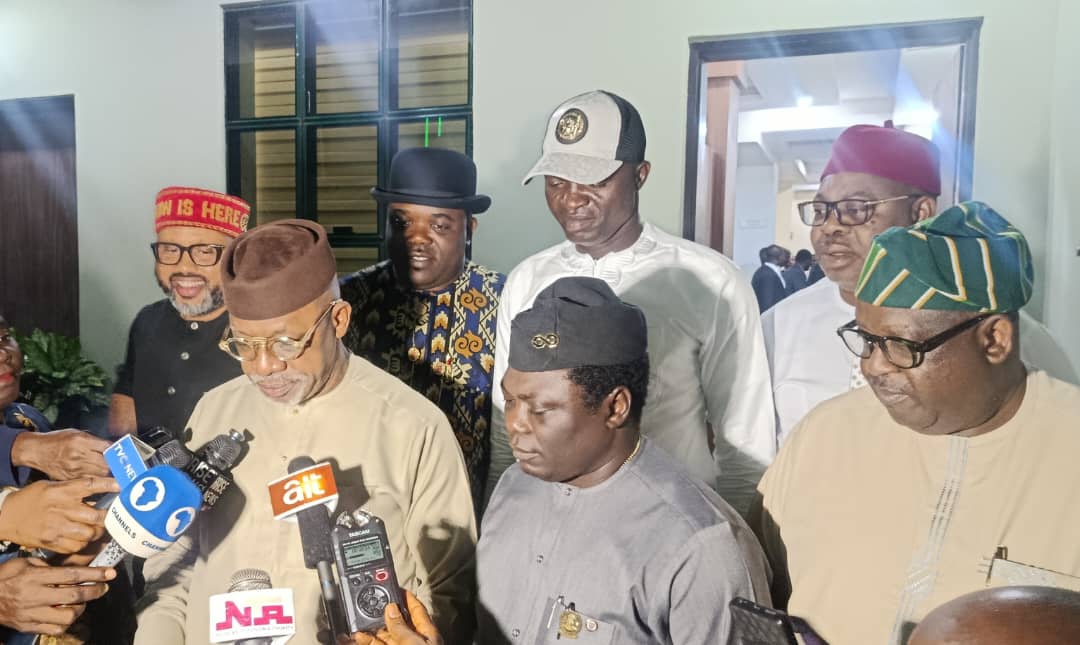
    ABUJA, Nigeria (NPA) — The Nigeria Governors’ Forum (NGF) has said the proposed establishment of state police must be constitutionally sound, consistent with the principles of true federalism and protective of citizens’ fundamental rights.

    The position was contained in a communiqué issued at the end of the forum’s meeting in Abuja and signed by its Chairman, Governor AbdulRahman AbdulRazaq of Kwara State.

    The communiqué was presented to journalists by Ogun State Governor Dapo Abiodun.

    According to the governors, consultations are ongoing with the Attorneys-General of the 36 states to review the constitutional amendments and legal frameworks required to establish state police across the country.

    “The forum received a presentation from the NGF Secretariat and a delegation of the Attorneys-General of the states on efforts to support the establishment of state police in Nigeria,” Abiodun said.

    He explained that the governors reviewed progress made during consultations with state Attorneys-General and stressed the need for any state policing framework to be firmly rooted in constitutional provisions and democratic principles.

    “Governors emphasised the need for state police to be constitutionally sound and aligned with federalism and citizens’ rights,” he added.

    The forum noted that the outcome of the consultations would help strengthen the collective position of the states on the proposed reforms.

    On health and human development, the governors reaffirmed their commitment to tackling malnutrition and improving nutrition outcomes across the country.

    Abiodun said the forum received a progress report from the Federal Ministry of Budget and Economic Planning on the National Nutrition 774 (N-774) Initiative.

    The governors also reviewed ongoing work on the proposed National Nutrition Bill and encouraged continued engagement with stakeholders to strengthen the legal and policy framework for nutrition governance.

    The forum further reiterated its commitment to enhancing food security, strengthening agricultural value chains and expanding access to reliable electricity supply.

    According to Abiodun, the governors received a briefing from the World Bank Country Office on the proposed Country Partnership Framework (CPF) for Nigeria covering the 2026–2032 fiscal period, as well as the Nigeria Sustainable Agricultural Value-Chains for Growth (AGROW) Programme.

    He described AGROW as a results-based initiative designed to boost agricultural productivity, strengthen value chains, increase private sector participation, improve food security and support early childhood development.

    “The forum supports continued collaboration with the Federal Government, the World Bank and other stakeholders to ensure successful implementation and delivery of benefits to participating states,” he said.

    The governors approved state-specific interventions and stressed the need for stronger coordination across sectors, including health, nutrition, education, water and sanitation, social protection and family support services.

    On electricity, Abiodun said the forum received a presentation on the National Solar Super-Grid (NSSG) Initiative, which seeks to expand electricity access through large-scale decentralised solar generation integrated with the national transmission network.

    The governors acknowledged the initiative’s potential to drive industrialisation, improve energy security, strengthen state electricity markets and accelerate economic growth.

    “Governors reiterated their commitment to ongoing power sector reforms and to strengthening collaboration among stakeholders to expand access to reliable and affordable electricity for Nigerians,” Abiodun said.

    (NAN)

  • Amnesty International demands reinstatement of Sowore’s bail, condemns court order

    Amnesty International demands reinstatement of Sowore’s bail, condemns court order

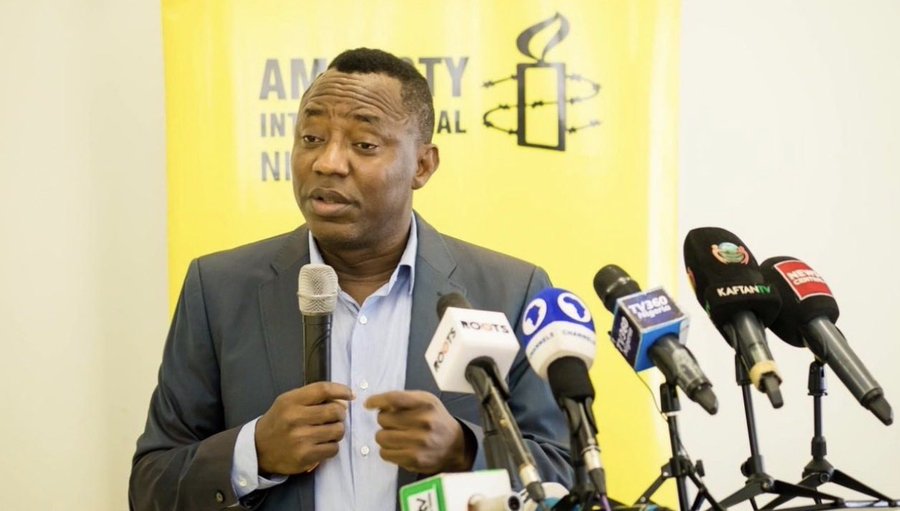
    ABUJA, Nigeria (NPA) — Amnesty International Nigeria has called on Nigerian authorities to reverse the revocation of the bail granted to activist and the presidential candidate of the African Action Congress (AAC), Omoyele Sowore, describing the development as a threat to freedom of expression, liberty and fair trial rights.

    In a statement issued on Friday titled “Authorities Must Reverse Revocation of Sowore’s Bail and Respect Freedom of Expression,” the rights organisation said the reported revocation of Sowore’s bail raises serious concerns about the protection of fundamental rights in Nigeria.

    According to Amnesty International, the decision risks undermining constitutional guarantees and Nigeria’s international human rights obligations.

    The Federal High Court in Abuja had on Tuesday ordered Sowore’s arrest following his alleged absence from proceedings in a case in which he faces cyberbullying charges over social media posts in which he allegedly referred to President Bola Tinubu as “a criminal.”

    The court also reportedly issued a bench warrant for his arrest after an oral application by the prosecution.

    Amnesty International argued that the case is linked to Sowore’s peaceful expression of his views and criticism of public officials, activities it said are protected under the 1999 Constitution and international human rights instruments, including the International Covenant on Civil and Political Rights and the African Charter on Human and Peoples’ Rights.

    “The revocation of Sowore’s bail violates his rights to freedom of expression, liberty and a fair trial,” the organisation said.

    “Any restrictions on these rights must be lawful, necessary and proportionate. They must never be used as a means of silencing criticism or suppressing peaceful dissent.”

    The organisation stressed that freedom of expression remains a cornerstone of any democratic society governed by the rule of law.

    It added that journalists, activists, human rights defenders, political commentators and public figures must be able to express opinions, criticise government policies and participate in public debate without fear of arrest, detention or retaliation.

    Amnesty International further warned against the use of criminal proceedings, restrictive bail conditions or judicial processes to punish or discourage legitimate expression.

    According to the group, such actions could create a chilling effect that discourages citizens from speaking out, weakens civic space and erodes public confidence in the justice system.

    The organisation called on authorities to immediately withdraw what it described as “bogus charges” against Sowore and ensure full compliance with international fair trial standards and due process guarantees.

    It also urged the government to respect and protect the right to freedom of expression, including criticism of public officials and government policies.

    “Nigerian authorities must uphold and respect the right to freedom of expression and refrain from using criminal law, judicial processes or restrictive measures to intimidate, harass or silence critics, journalists, activists and human rights defenders,” the statement said.

    Amnesty International maintained that no individual should be deprived of liberty or subjected to what it described as an abuse of the judicial system for peacefully exercising their right to freedom of expression.

  • Agunloye Mambilla fraud trial: Witness affirms authenticity of FEC document tendered by EFCC

    Agunloye Mambilla fraud trial: Witness affirms authenticity of FEC document tendered by EFCC

    ABUJA, Nigeria (NPA) — The trial of former Minister of Power, Chief Olu Agunloye, over the alleged fraudulent award of the $6 billion Mambilla Hydroelectric Power Project contract resumed on Thursday before the Federal Capital Territory High Court in Apo, Abuja, with a prosecution witness affirming the authenticity of a key document tendered by the Economic and Financial Crimes Commission (EFCC).

    The sixth prosecution witness, Iliya John Iyakwari, told the court during cross-examination that there was no other extract of the Federal Executive Council (FEC) meeting of May 21, 2003 different from the one marked Exhibit EFCC 3K, which he certified and which had already been admitted in evidence.

    Agunloye is being prosecuted by the EFCC on an amended seven-count charge bordering on alleged official corruption and the award of the Mambilla Power Project contract valued at $6 billion to Sunrise Power and Transmission Company Limited.

    During the proceedings, defence counsel, Adeola Adedipe, SAN, sought to cross-examine the witness using a document marked Exhibit EFCC 3D.

    However, the prosecution counsel, Abba Mohammed, SAN, objected to the move, arguing that the witness could not be questioned on a document he neither authored nor tendered before the court.

    “My Lord, our objection is anchored on the Supreme Court authority in Buhari v. INEC and others. I object to this application because this witness is not the maker, neither was it tendered through him,” Mohammed argued.

    He also cited additional judicial authorities in support of the prosecution’s objection.

    The witness, a former Assistant Director (Legal) in the Federal Ministry of Justice who currently serves as an Assistant Legal Adviser in the Federal Ministry of Power, subsequently concluded his testimony under cross-examination.

    Following the proceedings, Justice Jude Onwuegbuzie adjourned the matter until July 2, 2026, for continuation of hearing.

    The EFCC alleges that Agunloye unlawfully awarded the multi-billion-dollar Mambilla Power Project contract to Sunrise Power and Transmission Company Limited, allegations the former minister has denied.

  • TCN, NSA office, NSCDC unite to tackle power infrastructure vandalism

    TCN, NSA office, NSCDC unite to tackle power infrastructure vandalism

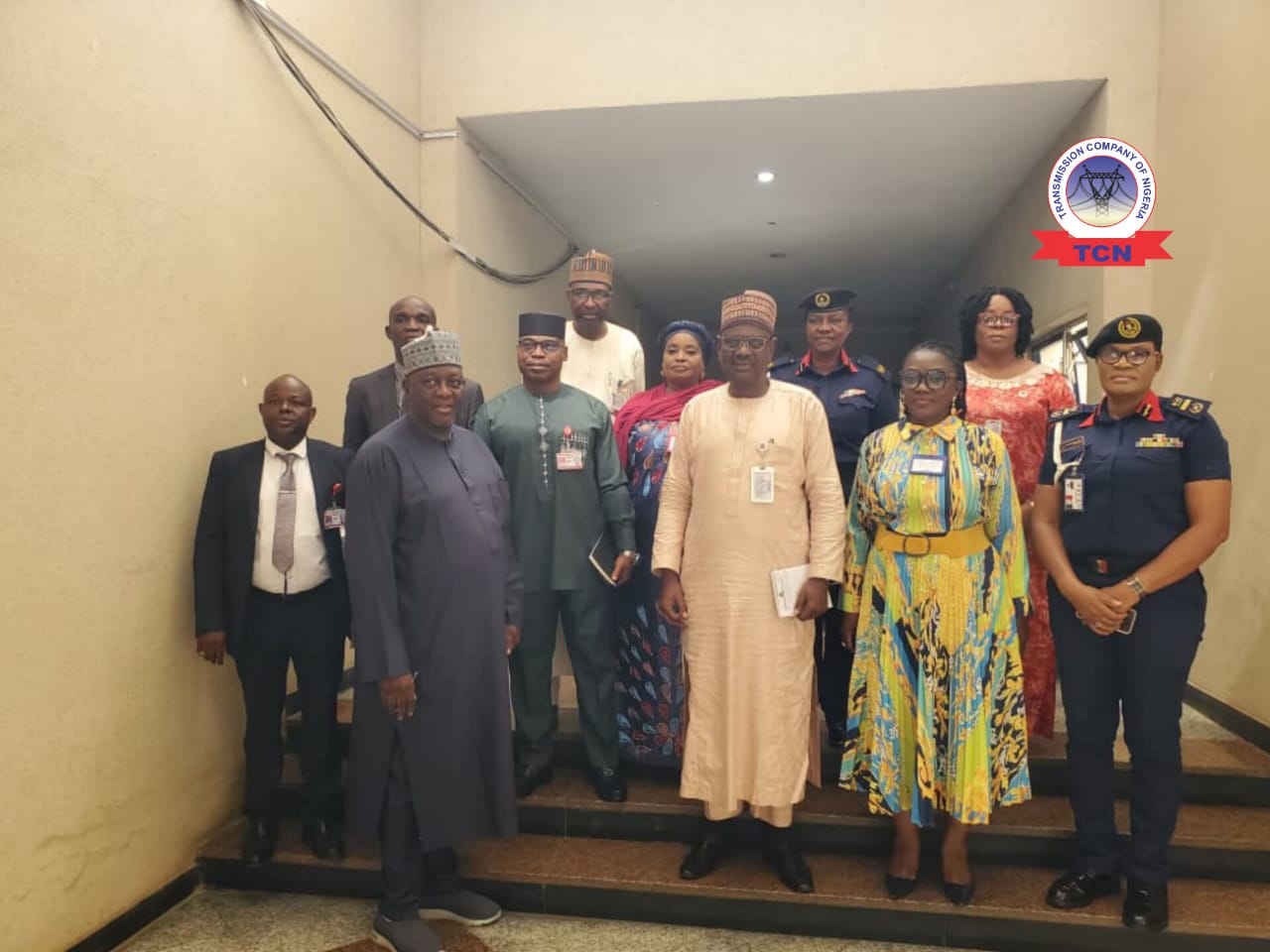
    ABUJA, Nigeria (NPA) — The Transmission Company of Nigeria (TCN) has strengthened its collaboration with the Office of the National Security Adviser (ONSA) and the Nigeria Security and Civil Defence Corps (NSCDC) to combat the vandalism of critical power infrastructure across the country.

    TCN disclosed this in a statement following a strategic meeting held at its corporate headquarters in Abuja on Wednesday.

    According to the company, the meeting focused on enhancing inter-agency cooperation, improving information sharing and developing more effective strategies to address the persistent vandalism and sabotage of electricity transmission facilities nationwide.

    The discussions also explored measures to improve the protection of transmission assets, which are vital to the stability and reliability of Nigeria’s electricity supply network.

    TCN said the engagement reflected the commitment of the three institutions to work together in safeguarding critical national infrastructure and reducing disruptions caused by attacks on power installations.

    The company noted that vandalism of transmission facilities continues to pose a significant challenge to the power sector, often resulting in outages, equipment damage and substantial financial losses.

    It expressed confidence that closer collaboration with security agencies would strengthen surveillance, enhance response mechanisms and deter criminal activities targeting electricity infrastructure.

    The meeting underscored the collective resolve of stakeholders to protect the nation’s transmission network and support efforts to ensure a more stable and reliable electricity supply for Nigerians.

  • JUST IN: NBA sets June 18 deadline for AGC 2026 sports competition registration

    JUST IN: NBA sets June 18 deadline for AGC 2026 sports competition registration

    ABUJA, Nigeria (NPA) — The Nigerian Bar Association (NBA) has announced June 18, 2026, as the deadline for registration for the sports competitions scheduled as part of the 2026 Annual General Conference (AGC).

    In a notice issued on Wednesday, the association urged interested participants to complete their registration before the deadline to be eligible for the various sporting events.

    The competitions will feature swimming, table tennis, chess, scrabble, PlayStation gaming and draughts, with a registration fee of N30,000 for each event. Participation in the wheelchair table tennis category is free of charge.

    According to the NBA, winners in the scrabble, chess, swimming, PlayStation and table tennis categories will receive cash prizes.

    The first-place winner in each category will receive N250,000, while second and third-place finishers will receive N200,000 and N150,000 respectively.

    The association said interested participants are required to pay the registration fee into the designated account details provided on the official competition flier.

    Proof of payment must be forwarded to the official conference email address, nbaconference1@gmail.com, after which participants will receive a registration form and the rules and guidelines governing the competition.

    The NBA stated that completed registration forms must be submitted alongside a valid means of identification, including an international passport, National Identification Number (NIN) card, Permanent Voter Card (PVC) or driver’s licence.

    Participants are also required to provide proof of registration for the 2026 Annual General Conference.

    The association reiterated that all registration documents and correspondence relating to the competition should be sent to the official communication email address before the June 18 deadline.

    The sports competition is one of the activities lined up for the NBA Annual General Conference 2026, bringing together legal practitioners from across the country to compete and network outside the courtroom.

  • AAACA, World Bank partner to boost anti-corruption fight across Africa

    AAACA, World Bank partner to boost anti-corruption fight across Africa

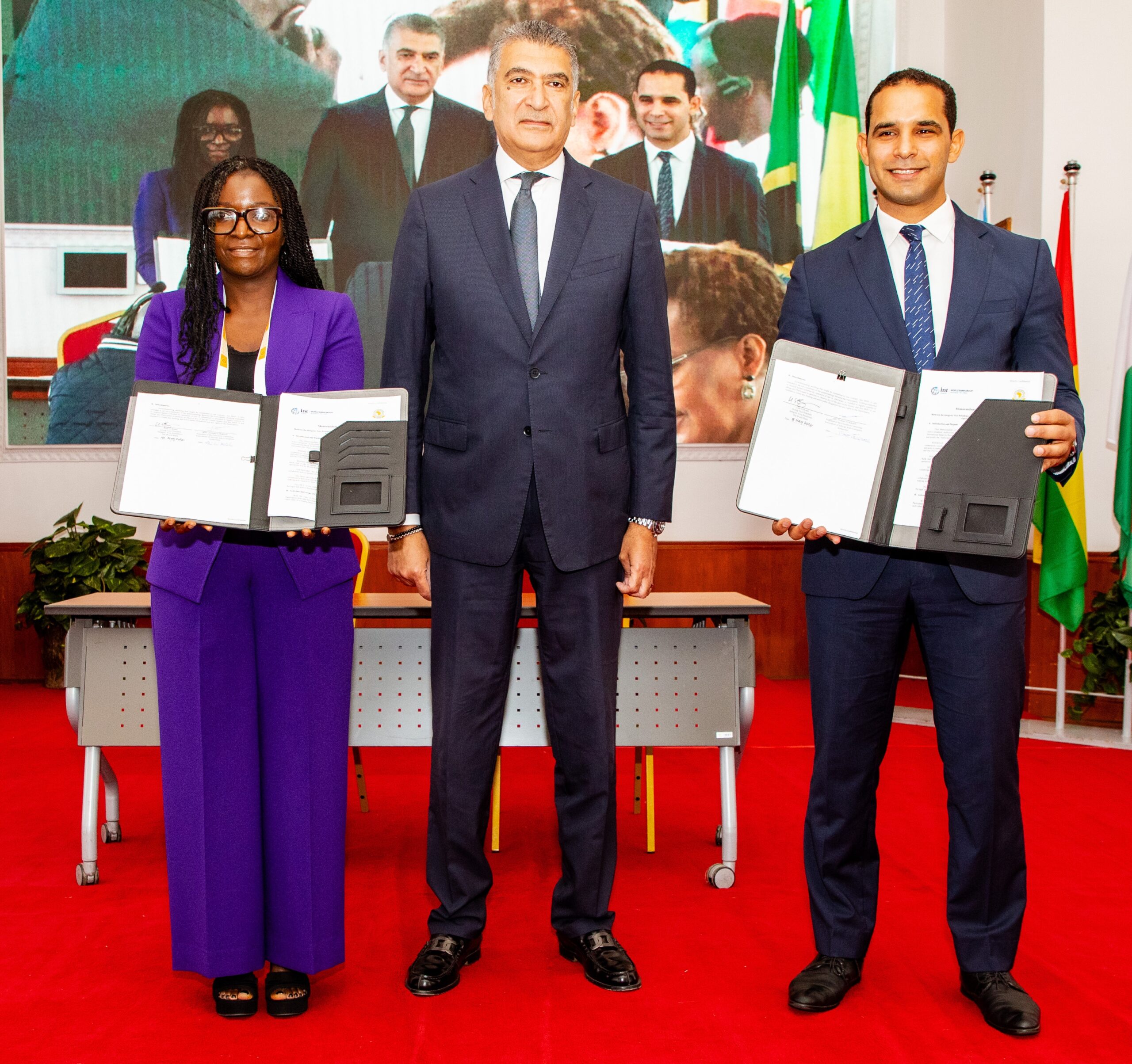
    NAIROBI, Kenya (NPA) — The Association of African Anti-Corruption Authorities (AAACA) and the World Bank Group’s Integrity Vice Presidency (INT) have signed a landmark Memorandum of Understanding (MoU) aimed at strengthening anti-corruption efforts and protecting development resources across Africa.

    The agreement was signed during the 8th AAACA Annual General Assembly in Nairobi and establishes a framework for cooperation in information sharing, capacity building, fraud detection and prevention, joint research, training, and technical support among anti-corruption agencies on the continent.

    The partnership is expected to enhance collaboration between African anti-corruption institutions and the World Bank in tackling corruption, improving transparency, and ensuring accountability in the management of public and development resources.

    Speaking on behalf of the World Bank Group Integrity Vice President, Maria Thestrup, Martha Chizuma stressed the need for collective action to address corruption and its impact on sustainable development.

    “Corruption remains one of the greatest obstacles to sustainable development, undermining public institutions, diverting resources from essential services, and reducing the impact of development investments,” Chizuma said.

    She noted that strong anti-corruption systems were critical to safeguarding development gains, particularly in Africa, where the World Bank maintains its largest active development portfolio across key sectors including infrastructure, health, education and energy.

    According to her, strengthening institutional integrity and oversight mechanisms is essential to ensuring that development projects deliver meaningful benefits to citizens.

    The MoU is expected to support African anti-corruption agencies through knowledge exchange, specialised training programmes, technical cooperation and improved mechanisms for detecting and preventing fraud and corruption.

    Officials said the agreement would also facilitate joint research initiatives aimed at identifying emerging corruption risks and developing effective strategies to address them.

    The partnership underscores a shared commitment by AAACA and the World Bank Group to promote good governance, strengthen public institutions and protect development investments across Africa.

    Stakeholders believe the collaboration will help improve institutional capacity, enhance transparency and accountability, and ensure that development resources reach their intended beneficiaries.

    The agreement marks a significant step in regional efforts to combat corruption and foster sustainable economic and social development across the continent.

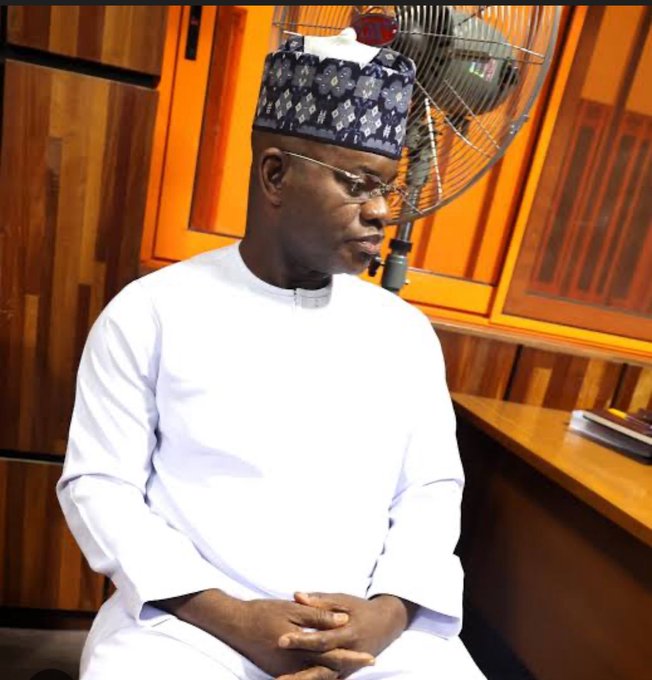
  • Alleged ₦110.4bn fraud: Yahaya Bello in court as witness reveals secret payments to officials

    Alleged ₦110.4bn fraud: Yahaya Bello in court as witness reveals secret payments to officials

    ABUJA, Nigeria (NPA) — Fresh revelations emerged on Wednesday at the Federal Capital Territory High Court, Maitama, in the ongoing trial of former Kogi State Governor Yahaya Adoza Bello, as a prosecution witness disclosed that his company paid between 50 and 60 per cent of its consultancy commissions to officials of the Kogi State Internal Revenue Service (KSIRS).

    Testifying before Justice Maryanne Anineh, the eighteenth prosecution witness (PW18) told the court that his firm, which specialised in information technology, tax automation, and advisory services, was engaged by KSIRS to provide consultancy support. He explained that the company initially earned a 15 per cent commission on tax collections above ₦350 million, later reviewed downward to five per cent as internally generated revenue grew.

    The witness identified former KSIRS Chairman, Senator Yakubu Oseni, as one of the officials he dealt with. He revealed that directives to disburse portions of the commissions came from Oseni through his personal assistant, Yusuf Abdulmumuni.

    He further stated that similar instructions were later issued by Oseni’s successor, Aliyu Nda Salami, via his aide, Abdulwahab.

    According to the witness, payments were made through both bank transfers and cash transactions. He confirmed that these disbursements were not part of the consultancy agreement but were carried out under pressure from KSIRS leadership.

    He also noted that Senator Oseni nominated one Jami’u Salihu as a signatory to the Bespoke Business Solution project account with Zenith Bank, enabling Salihu to independently authorise withdrawals.

    Reviewing exhibits before the court, EFCC lead counsel Kemi Pinheiro, SAN, highlighted inflows from KSIRS into the company’s accounts, including ₦92.4 million on August 9, 2017, and ₦261.8 million on August 14, 2017, followed by withdrawals executed by Salihu.

    The EFCC is prosecuting Bello alongside Umar Shuaibu Oricha and Abdulsalami Hudu on a 16‑count charge bordering on criminal breach of trust and money laundering involving ₦110.4 billion. The witness confirmed that his company’s engagement with KSIRS ran from 2016 to 2017, though account statements presented covered transactions up to 2022.

    The testimony adds a new dimension to the high‑profile trial, spotlighting alleged systemic diversion of funds within Kogi’s revenue service and raising questions about accountability in state tax administration.

  • UK sex-grooming scandals expose decades of abuse, institutional failures

    UK sex-grooming scandals expose decades of abuse, institutional failures

    LONDON, United Kingdom (NPA) — The United Kingdom continues to confront the legacy of one of the most disturbing child sexual exploitation scandals in its modern history, with official inquiries revealing widespread institutional failures that allowed the abuse of thousands of vulnerable girls over several decades.

    Investigations in towns including Rotherham, Rochdale, Oxford, Telford, and other parts of England uncovered organised grooming networks that targeted young girls, many from disadvantaged backgrounds, subjecting them to sexual exploitation, violence, intimidation, and trafficking.

    A series of official reports, criminal prosecutions, and public inquiries have documented how victims were groomed with gifts, alcohol, drugs, and false promises before being repeatedly abused by groups of offenders.

    One of the most significant investigations, the 2014 Jay Report, found that an estimated 1,400 children were sexually exploited in Rotherham between 1997 and 2013, despite repeated warnings to local authorities and law enforcement agencies.

    The report concluded that police officers, social workers, and local officials failed to act on numerous complaints and intelligence reports, allowing the abuse to continue unchecked for years.

    Victims were often dismissed, ignored, or blamed for their circumstances, with some officials reportedly describing them as making “lifestyle choices” rather than recognising them as children being exploited.

    The scandal first gained widespread national attention following investigative reports and a series of criminal convictions beginning in the early 2010s.

    In 2012, several men were convicted in the high-profile Rochdale grooming case after evidence emerged that authorities had been aware of allegations for years before decisive action was taken.

    Subsequent investigations in Oxford, Telford, Derbyshire, and other locations uncovered similar patterns of organised child sexual exploitation and institutional neglect.

    Campaigners, survivors, and child protection advocates have since described the scandal as a national disgrace and one of the gravest safeguarding failures in recent British history.

    The controversy also sparked debate over whether concerns about racial tensions, community relations, and reputational damage contributed to official reluctance to confront the crimes earlier.

    Successive governments have acknowledged serious failures in the protection of vulnerable children and introduced reforms aimed at strengthening safeguarding systems, improving inter-agency cooperation, and enhancing support for survivors.

    Despite dozens of successful prosecutions over the years, campaigners argue that many victims are still waiting for justice and that further accountability is needed.

    In 2025, the British government launched a statutory independent inquiry to examine the handling of organised child sexual exploitation cases, institutional responses, and the adequacy of support provided to survivors.

    The inquiry is expected to assess the actions of law enforcement agencies, local authorities, and other public institutions, while making recommendations to prevent similar failures in the future.

    According to the inquiry’s terms of reference published in 2026, investigators will focus on institutional accountability, victim support, safeguarding reforms, and lessons learned from previous cases.

    Survivors and advocacy groups have welcomed the inquiry but insist that meaningful justice requires not only prosecutions but also long-term support for victims and greater accountability for officials who failed to act.

    Analysts say the grooming scandals with a strong involvement of individuals from Pakistan remain a defining test of Britain’s child protection system, highlighting the consequences of institutional inaction and the importance of safeguarding vulnerable children regardless of political, social, or cultural sensitivities.

    More than two decades after the first warnings emerged, the cases continue to shape public debate on child protection, policing, accountability, and the responsibilities of public institutions to protect those most at risk.