

JUST IN: Obi seeks delay in state police implementation until after 2027 elections
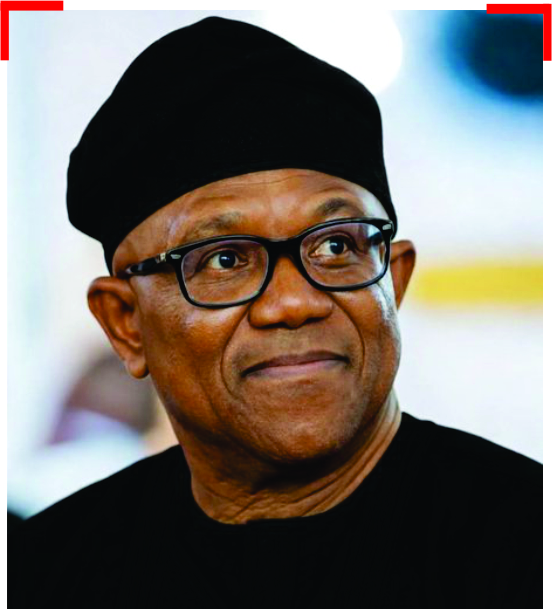
ABUJA, Nigeria — Presidential candidate of the Nigeria Democratic Congress (NDC), Mr Peter Obi, has called for the postponement of the implementation of state police until after the 2027 general election, despite describing the recent constitutional amendment as a commendable step towards strengthening Nigeria’s security architecture.
Obi, a longstanding advocate of decentralised policing and the proponent of the “A New Nigeria Is Possible” movement, said the legislation establishing state police was passed through a process that lacked adequate public participation and legislative scrutiny, raising concerns about its potential political misuse.
In a statement on Friday, Obi said the passage of the State Police Bill by the National Assembly represented a significant legislative milestone in addressing a longstanding demand by many Nigerians.

“For years, many of us, alongside security experts and regional stakeholders, have consistently argued that a highly centralised policing structure is fundamentally unsuitable for a country as vast, diverse, and complex as Nigeria. However, the legislative and constitutional implementation appears shaky and raises legitimate concerns,” he said.
According to him, the process should have involved broader community participation, noting that policing ought to be more visible at the local government and community levels.
“The mechanism for passing the law appears highly disorganised, with no public hearing on such a sensitive issue. Indeed, the rush to enact the law without proper legislative procedures fuels suspicion among many observers about the political motives behind it,” he added.
The former Anambra State governor said the major concern was not the operational framework of state police but the possibility of political abuse by state governors.
“There is a widespread, justifiable fear that state police forces could become instruments in the hands of governors. The suspicion is that a state-controlled police force could be weaponised to suppress political rivals, disrupt opposition rallies, and manipulate elections,” Obi said.
He stressed that for state policing to serve as a genuine security solution rather than a political tool, the law must establish independent oversight mechanisms.
“For state policing to evolve from a risky political gamble into a genuine security solution, the law must not only permit states to establish police forces but also clearly provide for independent oversight bodies, such as state Police Service Commissions that are entirely free from executive influence, to ensure that policing serves the public interest rather than the interests of the ruling elite,” he said.
Obi argued that recent political developments had not inspired confidence that the system would be insulated from abuse.
“Going by what Nigerians have seen so far, there is no guarantee that this administration can resist the temptation to take advantage of state policing to influence the 2027 general election by proxy.
“In view of that possibility and the danger it poses to the polity, it is necessary to defer its implementation until after the general election,” he said.
2027: Tinubu clearing your mess, Keyamo knocks Atiku Abubakar
Biafra activist Simon Ekpa awaits Finnish Appeal Court ruling on six-year jail term tomorrow
2027: APC slams Atiku over addressing Tinubu by first name, vows to maintain protocol

JUST IN: INEC defends AI use ahead of 2027 elections, promises safeguards

Obidient Movement warns Wike against alleged 2027 election rigging plans

Peter Obi faults Tinubu’s one-month petrol discount, calls policy ‘reactive and confused’

Adelabu did not ask Nigerians to reject APC, media office says viral report is false

NRM presidential candidate Esther Okereke promises grassroots development
- Tinubu commissions NRS Headquarters, says new tax reforms will drive prosperity
- Tinubu assures investors of regulatory stability as Ogun, DP World sign $7bn port, SEZ MoUs
- Climate change anxiety is rising — and so is the willingness to act on it
- Ohaukwu LG Chairman Ituma breaks ground for modern diagnostic centre, blood bank
- Baseball boosts TBS, NFL gives ESPN a kick and streamers love ‘Squid’
Community Discussion