

Tinubu hails Gowon’s Memoir as blueprint for national unity and stability as Biafra shadows linger
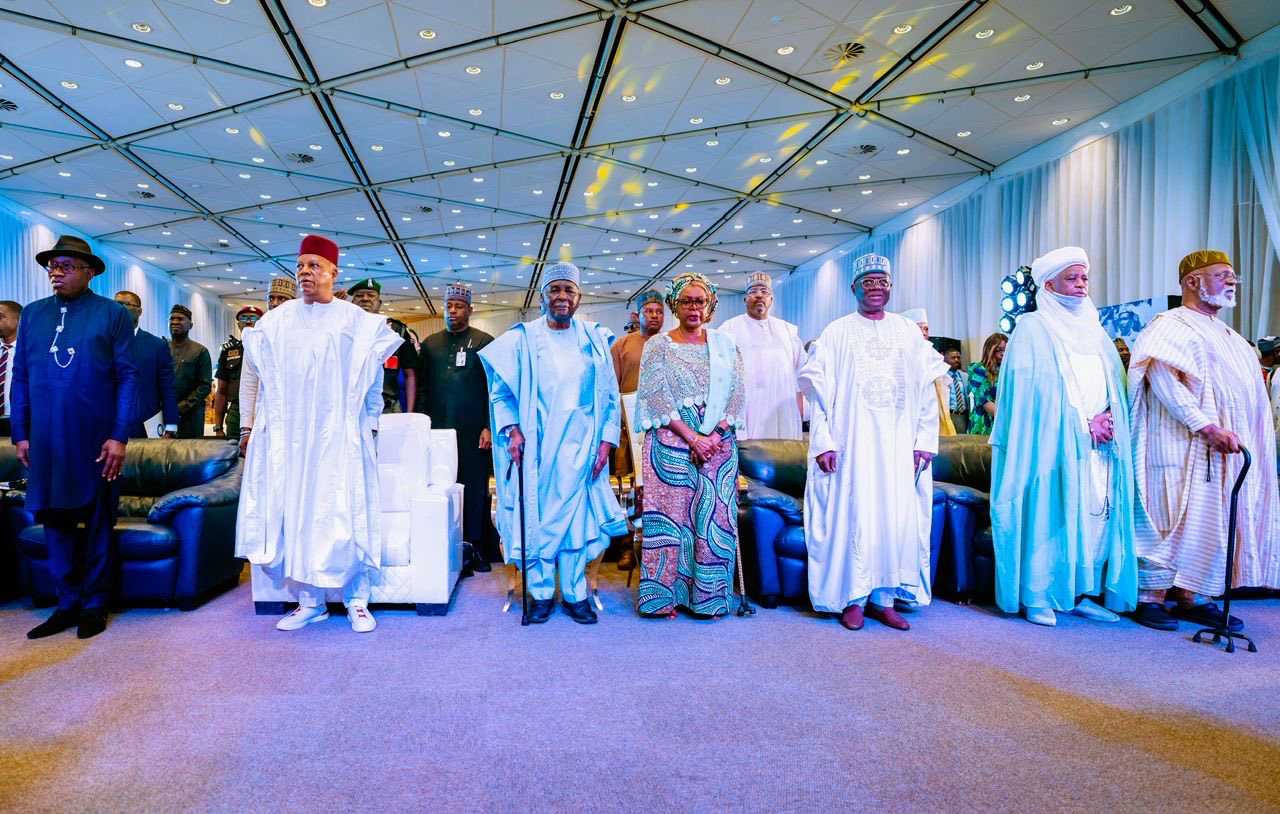
ABUJA, Nigeria (NPA) — President Bola Ahmed Tinubu has described the autobiography of former Head of State, Yakubu Gowon, as an important national document capable of guiding Nigeria’s future, strengthening unity, and promoting regional stability.
Speaking at the public presentation of Gowon’s memoir, My Life of Duty and Allegiance, on Tuesday at the Bola Ahmed Tinubu International Conference Centre, the President — represented by Kashim Shettima — urged Nigerians to widely circulate the book, describing it as a civic inheritance for future generations.
Tinubu stressed the importance of preserving Nigeria’s historical memory, warning that nations that forget their past risk instability and division. “A nation that misplaces its memory soon begins to quarrel with its own reflection. A society without memory becomes an orphan in time,” he said.
The President noted that reflections from leaders who witnessed defining moments in Nigeria’s history remain essential for strengthening democratic stability and national cohesion.
Tinubu particularly praised Gowon’s post-civil war reconciliation policy, especially the declaration of “No victor, no vanquished,” describing it as a defining principle that helped preserve Nigeria’s unity after the conflict.
He added that the memoir comes at a critical period when Nigeria and the wider West African region continue to face insecurity, economic hardship and social fragmentation, making Gowon’s message of reconciliation and statesmanship more relevant.
However, Gowon’s legacy remains deeply debated because of his role during the Nigerian Civil War. Critics argue that his determination to preserve Nigeria’s territorial integrity prolonged the conflict and contributed to the humanitarian catastrophe that followed. They point to the blockade of Biafra and sustained military offensives, which triggered widespread famine and mass civilian deaths, particularly among the Igbo population.
Estimates suggest that between one and three million people died during the war, many from starvation and disease rather than direct combat.
Supporters of Gowon, however, maintain that his leadership prevented Nigeria from disintegrating into multiple unstable states and helped preserve national unity at a critical moment in the country’s history. They also credit his post-war reconciliation efforts, reintegration policies and rebuilding initiatives for helping to stabilise the country after the war.
As a result, Gowon’s legacy continues to stand at the intersection of national unity, wartime tragedy and post-conflict reconciliation.
2027: Tinubu clearing your mess, Keyamo knocks Atiku Abubakar
Biafra activist Simon Ekpa awaits Finnish Appeal Court ruling on six-year jail term tomorrow
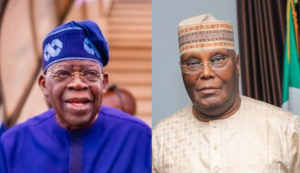
2027: APC slams Atiku over addressing Tinubu by first name, vows to maintain protocol

JUST IN: INEC defends AI use ahead of 2027 elections, promises safeguards
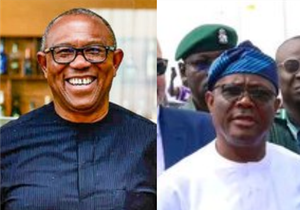
Obidient Movement warns Wike against alleged 2027 election rigging plans
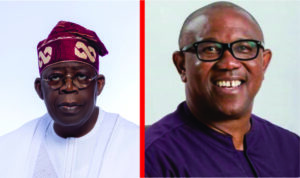
Peter Obi faults Tinubu’s one-month petrol discount, calls policy ‘reactive and confused’

Adelabu did not ask Nigerians to reject APC, media office says viral report is false
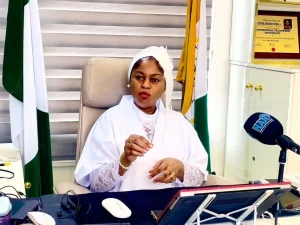
NRM presidential candidate Esther Okereke promises grassroots development
- Tinubu commissions NRS Headquarters, says new tax reforms will drive prosperity
- Tinubu assures investors of regulatory stability as Ogun, DP World sign $7bn port, SEZ MoUs
- Climate change anxiety is rising — and so is the willingness to act on it
- Ohaukwu LG Chairman Ituma breaks ground for modern diagnostic centre, blood bank
- Baseball boosts TBS, NFL gives ESPN a kick and streamers love ‘Squid’
Community Discussion