

State Police Steering Committee proposes four-phase transition roadmap
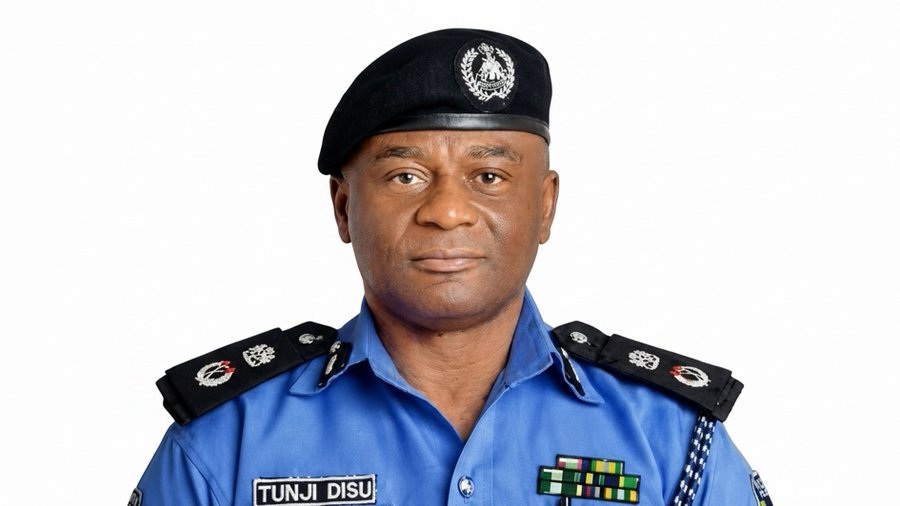
ABUJA, Nigeria (Agency Report) — The Steering Committee on the Establishment of State Police, set up by Inspector General of Police Olatunji Disu, has recommended a four-phase transition architecture for the creation of state-level policing across Nigeria.
The committee, chaired by Prof. Olu Ogunsakin, Director General of the National Institute of Police Studies, was inaugurated on March 4 and tasked with developing an operational framework within one month. Its mandate includes overseeing implementation of state police to complement the federal force, while addressing recruitment, training, and resource generation to strengthen internal security.
According to the report, Phase One (months 1–12) will focus on constitutional amendments and the enactment of a State Police Act. Phase Two (months 13–24) will introduce voluntary transfer programmes, allowing officers to move to state services. Phase Three (months 25–42) will see state police assume local policing responsibilities, while the Federal Police Service (FPS) withdraws to national duties. Phase Four (months 43–60) will consolidate the system, with FPS fully reorganised.

The committee stressed that constitutional and legal reforms must precede all other steps, including amendments to sections 213 and 215 of the 1999 Constitution, passage of state-level police laws, and establishment of State Police Service Commissions and Ombudsman offices. Each state will be required to build institutions from scratch, including service commissions, community policing forums, ICT infrastructure, custody suites, and forensic linkages.
The report estimated the cost of establishing state police at between ₦589 billion and ₦813 billion over five years, noting that the expenditure could not be absorbed in a shorter period. It also highlighted the need for a National Police Standard Board, a National Police Intelligence Portal, upgraded fingerprint identification systems, and full ICT integration across all services.
The committee emphasized that officer rights must be protected, with no involuntary dismissals and full preservation of pension and welfare entitlements. It concluded that the 60-month transition period is the minimum credible timeframe to restructure Nigeria’s policing architecture, move over 273,000 officers, build 37 new police services, and embed oversight mechanisms while maintaining uninterrupted public security.

Biafra activist Simon Ekpa awaits Finnish Appeal Court ruling on six-year jail term tomorrow

Kano police arrest four suspects, recover three stolen vehicles

Amnesty International condemns police blocking of ‘Tinubu Must Go’ protest in Kano

SERAP sues CBN over alleged unaccounted $6.23m election funds, ₦1.63tn in other public funds

Abia police arrest 40-year-old suspect, recover fake ₦200 notes in Aba

Media Freedom Coalition demands justice 20 years after Anna Politkovskaya’s assassination
Finance Ministry Unaware of N124.86bn CBN withdrawal, witness tells court in Emefiele trial

Former US federal employee pleads guilty to $194 million government fraud scheme
- Tinubu commissions NRS Headquarters, says new tax reforms will drive prosperity
- Tinubu assures investors of regulatory stability as Ogun, DP World sign $7bn port, SEZ MoUs
- Climate change anxiety is rising — and so is the willingness to act on it
- Ohaukwu LG Chairman Ituma breaks ground for modern diagnostic centre, blood bank
- Baseball boosts TBS, NFL gives ESPN a kick and streamers love ‘Squid’
Community Discussion