

Nigeria Seeks $2.3 trillion to close infrastructure gap, ICRC chief says
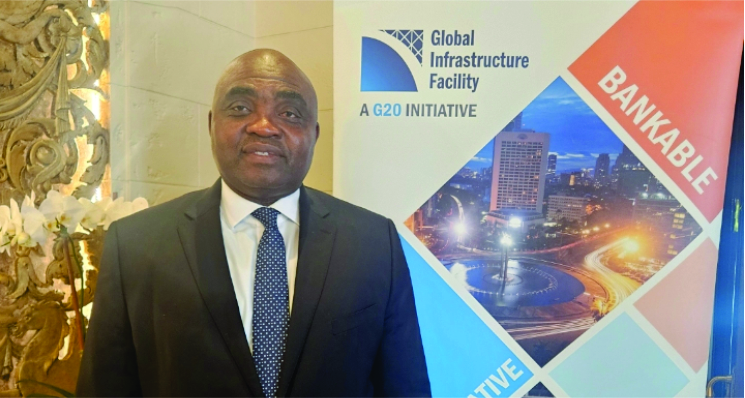
ABUJA, Nigeria — April 17, 2026 (Agency Report) — Nigeria has intensified efforts to bridge an infrastructure deficit estimated at $2.3 trillion between 2020 and 2043, the Director-General of the Infrastructure Concession Regulatory Commission (ICRC), Jobson Ewalefoh, said on Thursday.
Speaking on the sidelines of the Global Infrastructure Facility — a G20 initiative — during the Spring Meetings of the International Monetary Fund (IMF) and World Bank in Washington, Ewalefoh said Nigeria requires about $100 billion annually over 23 years to meet its infrastructure needs.
He noted that government budgetary allocations remain insufficient to address the funding shortfall, making private sector participation through Public-Private Partnerships (PPPs) essential to nationwide infrastructure development.

According to him, Nigeria’s Infrastructure Master Plan projects that 70% of funding will come from the private sector, underscoring the need to develop bankable project pipelines with support from institutions such as the Global Infrastructure Facility to attract international investors.
Discussions at the forum highlighted the importance of tailoring PPP models to local realities, including investment risks, political considerations and the limited appetite for long-term capital in developing economies, Ewalefoh said.
He added that Nigeria is positioning itself as an attractive investment destination, citing its population of about 250 million and ongoing government reforms aimed at improving the business climate and strengthening investor confidence.
Ewalefoh assured potential investors of robust legal frameworks to safeguard investments, emphasizing the government’s commitment to the rule of law, contract enforcement and policies designed to guarantee returns while mitigating perceived risks.
He identified the energy and transport sectors as priority areas, requiring an estimated $759 billion and $595 billion respectively. Other critical sectors in need of substantial investment include information and communications technology (ICT), agriculture, healthcare and education.
PPPs, he said, offer practical solutions to funding constraints by reducing reliance on limited public budgets and enabling sustainable infrastructure financing through long-term investment recovery mechanisms for private investors.
Ewalefoh expressed confidence that ongoing engagements with global investors and development partners would unlock capital flows, accelerate project delivery and help Nigeria achieve its infrastructure objectives.
He also commended President Bola Tinubu for initiating reforms aimed at creating an enabling environment for PPPs to thrive. (NAN).
Dangote commends NGX leadership for transforming Nigeria’s capital market

NNPC records N3.09trn revenue, N279bn profit after tax in July 2026
Ebonyi launches free digital skills training for young people

JUST IN: Nigeria records 4,765 domestic flight delays, 36 cancellations in August — NCAA
Presidential spokesperson Dare speaks on venture architecture for global scale at Imperial College London

X updates Terms of Service, introduces changes to dispute resolution
Nigeria’s Education Minister of State joins UNESCO roundtable on AI in education

Air Peace apologises for flight delays, cites weather, bird strikes, technical issues
- Tinubu commissions NRS Headquarters, says new tax reforms will drive prosperity
- Akwa Ibom governor approves appointment letters for 4,000 civil service recruits
- Climate change anxiety is rising — and so is the willingness to act on it
- Golden Globes want to make a comeback this year. Hollywood isn’t buying
- Baseball boosts TBS, NFL gives ESPN a kick and streamers love ‘Squid’
Community Discussion