

Lagos recycled over 405 tonnes of e-waste in 2025—LAWMA
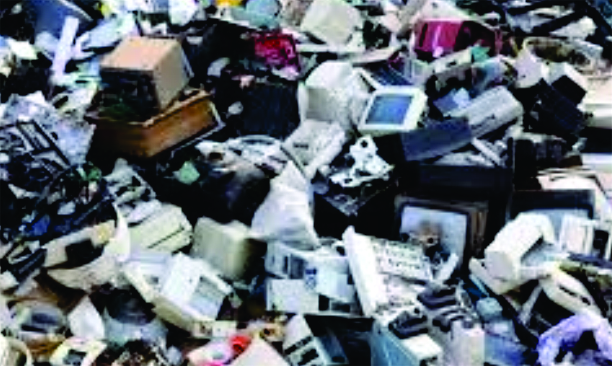
LAGOS, Nigeria — 14 April 2026 (Agency Report) — The Lagos Waste Management Authority (LAWMA) recycled 405.17 tonnes of electronic waste in Lagos State in 2025, marking a steady rise in formal recycling efforts.
LAWMA’s Managing Director, Dr Muyiwa Gbadegesin, disclosed the figures in an exclusive interview with the News Agency of Nigeria (NAN). He noted that the 2025 figure surpassed the 355.15 tonnes recycled in 2024 and the 305.63 tonnes collected in 2023.
Electronic waste (e-waste) refers to discarded, broken, or obsolete electrical and electronic devices, ranging from laptops, mobile phones, and batteries to household appliances such as refrigerators and televisions. Often classified as hazardous due to toxic components like lead and mercury, e-waste requires specialised recycling and is considered one of the fastest-growing waste streams globally.

Gbadegesin explained that the Lagos State Government has intensified advocacy and established structures to promote safe e-waste management. “The government recognised the importance of managing e-waste and set up an e-Waste Unit to coordinate its management in the state,” he said. According to him, e-waste management is currently handled through 17 certified recycling companies and approved collection centres. LAWMA directs collected e-waste to these facilities to ensure safe handling and disposal. He added that the e-waste unit regulates the sector by formalising informal operators, enforcing compliance, and raising awareness about the hazardous nature of e-waste.
Environmentalists and other agencies emphasised the urgent need for stronger measures. Dr Leslie Adogame, Executive Director of Sustainable Research and Action for Environmental Development (SRADeV), described e-waste as highly hazardous, containing toxic substances such as arsenic that pose serious health risks, especially to children and women. He stressed that awareness remains low and largely confined to stakeholders within the sector. “E-waste begins at the household level, so awareness must start from homes, not just within the informal recycling sector,” Adogame said. He highlighted weak collection systems, inadequate infrastructure, poor segregation of waste, and underfunding as major challenges. He also called for strengthening the Extended Producer Responsibility framework nationwide.
Mrs Adedayo Adebayo, Director of e-waste at the Lagos State Environmental Protection Agency (LASEPA), said awareness creation at the point of collection is critical. She noted that the state has about 30 registered collectors and a few recyclers integrated into a structured value chain. LASEPA, she explained, monitors corporate organisations, assesses their waste streams, and directs them to certified collectors. The agency also prohibits indiscriminate disposal, conducts environmental monitoring, and collaborates with ministries to organise informal operators into cooperatives. “Open burning of waste is banned due to the hazardous substances released into the environment,” Adebayo stressed.
Mr Philip Jakpor, Executive Director of Renevlyn Development Initiative, said awareness of proper e-waste disposal remains insufficient. Many residents, he noted, still store obsolete electronics at home or burn them, exposing themselves to toxic pollution. He identified poverty as a key driver, with many people relying on second-hand electronics without understanding the health risks. Jakpor urged the government to intensify sensitisation campaigns and establish designated disposal sites.Mr Friday Oku, President of the Association of Scrap and Wastepickers of Lagos, said e-waste handling still relies heavily on informal activities with limited formal support. He warned that unsafe methods, such as burning and dismantling to extract valuable materials, cause environmental damage. Oku urged authorities to formalise, train, and equip waste pickers with protective gear and safe recycling tools. He also recommended establishing collection hubs in major markets and enforcing Extended Producer Responsibility more strictly.
ICYMI: LAWMA to arrest, prosecute buyers patronising illegal roadside traders
Millions lost as flooding, windstorm ravage parts of Ebonyi
Lagos tightens crackdown on illegal dredging, coastal degradation
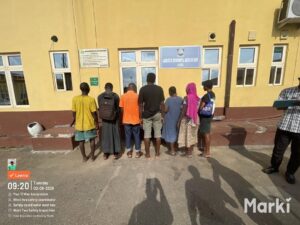
LAWMA arrests seven in Ipaja‑Ayobo for illegal waste dumping on road medians
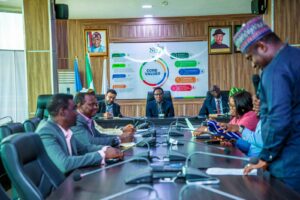
WMO Regional Director visits NiMet, strengthens meteorological cooperation
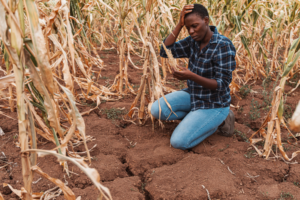
Extreme heat threatens global agrifood systems, FAO-WMO Warn
LASEPA unveils essay competition with ₦2m top prize for Lagos undergraduates
LAWMA intensifies waste operations ahead of easter, urges proper disposal to prevent flooding
- Tinubu commissions NRS Headquarters, says new tax reforms will drive prosperity
- Tinubu assures investors of regulatory stability as Ogun, DP World sign $7bn port, SEZ MoUs
- Climate change anxiety is rising — and so is the willingness to act on it
- Ohaukwu LG Chairman Ituma breaks ground for modern diagnostic centre, blood bank
- Baseball boosts TBS, NFL gives ESPN a kick and streamers love ‘Squid’
Community Discussion