

Trump imposes tariffs on imported pharmaceuticals, citing national security threat
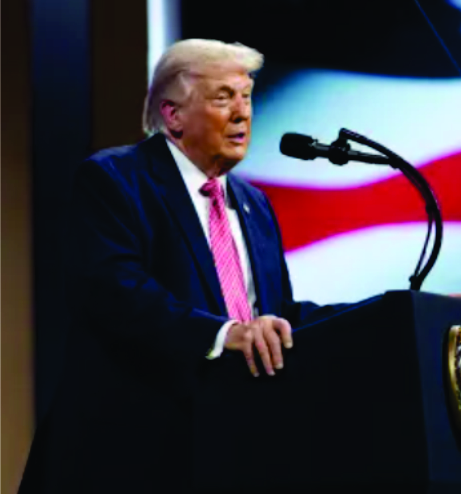
INTERNATIONAL, April 3, 2026 (NPA) — President Donald J. Trump has issued a sweeping proclamation imposing tariffs on imported patented pharmaceuticals and their active ingredients, citing heavy reliance on foreign supply chains as a threat to U.S. national security.
The move follows a report by the Secretary of Commerce under Section 232 of the Trade Expansion Act of 1962, which concluded that imports of pharmaceuticals and pharmaceutical ingredients “are being imported into the United States in such quantities and under such circumstances as to threaten to impair the national security.” According to the report, only 15 percent of patented active pharmaceutical ingredients (APIs) are produced domestically, while 53 percent of patented drugs distributed in the U.S. are manufactured abroad.
Trump’s proclamation sets a 100 percent ad valorem duty on patented pharmaceuticals and associated ingredients, with exceptions for companies that commit to onshoring production. Firms with approved onshoring plans will face a reduced 20 percent tariff, which will rise to 100 percent after four years. Companies that enter into Most-Favored-Nation (MFN) pricing agreements and onshoring commitments with the Departments of Commerce and Health and Human Services may qualify for zero tariffs until 2029.

The proclamation also outlines preferential treatment for imports from allied trade partners. Products from Japan, the European Union, South Korea, and Switzerland will face a 15 percent tariff, while imports from the United Kingdom will be subject to a 10 percent tariff, eventually dropping to zero under a forthcoming bilateral pharmaceutical agreement. Certain specialty drugs, including orphan-designated medicines, nuclear therapies, plasma-derived treatments, and medical countermeasures, will be exempt from tariffs altogether.
Generic pharmaceuticals and biosimilars are excluded from the tariff measures for now, though the Commerce Department will review their status within a year.
Trump emphasized that the tariffs are designed to strengthen domestic pharmaceutical manufacturing, safeguard military and civilian healthcare, and reduce vulnerability to global supply chain disruptions. “A self-sufficient domestic manufacturing base is vital for national defense and public health security,” the proclamation stated.
The tariffs will take effect beginning July 31, 2026, for select companies, and September 29, 2026, for all others.

FG, PSML sign $1.3bn deal to revive Delta Steel Company

1Password acquires Israeli cyber startup Apono in landmark $250M–$300M deal

TCN announces seven-hour power outage in Iwo, Bowen and others for transformer maintenance

BREAKING: Peter Obi emerges NDC presidential candidate for 2027 election
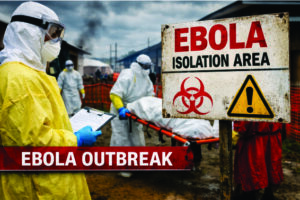
Ebola cases rise to 134 as WHO warns of cross-border spread in DRC, Uganda

Lagos Police heighten security for Eid‑el‑Kabir and Children’s Day celebrations
UN warns Ebola risk ‘very high’ in Eastern DR Congo amid outbreak

Osun Correctional Service receives operational vehicles from ALGON to boost efficiency
- Tinubu commissions NRS Headquarters, says new tax reforms will drive prosperity
- Akwa Ibom governor approves appointment letters for 4,000 civil service recruits
- Climate change anxiety is rising — and so is the willingness to act on it
- Golden Globes want to make a comeback this year. Hollywood isn’t buying
- Baseball boosts TBS, NFL gives ESPN a kick and streamers love ‘Squid’
Community Discussion