

BREAKING: SERAP gives CBN seven days to account for alleged $6.23m election funds, ₦1.63trn others
ABUJA, Nigeria (NPA) — The Socio-Economic Rights and Accountability Project (SERAP) has given the Governor of the Central Bank of Nigeria (CBN), Mr Olayemi Cardoso, and the apex bank seven days to account for $6.23 million in allegedly diverted or unaccounted-for election funds and more than ₦1.63 trillion in other public funds, or face legal action.
The organisation made the demand in a letter dated Sept. 26, 2026, signed by SERAP Deputy Director Kolawole Oluwadare.
According to SERAP, the allegations are documented in Volume II of the Auditor-General of the Federation’s 2023 Annual Report, published on Aug. 7, 2026. The organisation said the findings variously covered the period from January to December 2023.

SERAP said the funds include more than ₦1.25 trillion in unrecovered CBN intervention loans to state governments; ₦116.18 billion in unrecovered loans to distressed and liquidated banks; ₦262.86 billion disbursed under the Anchor Borrowers’ Programme; and $6.23 million in payments linked to an alleged fraudulent election-funding request purportedly made by former President Muhammadu Buhari.
SERAP urged Cardoso and the CBN to disclose details of the beneficiaries of the intervention loans, amounts disbursed and measures taken to recover the funds.
The organisation also demanded an account of the ₦262.86 billion disbursed under the Anchor Borrowers’ Programme, including the names and number of beneficiaries and participating “Anchors”, amounts disbursed, utilisation, monitoring arrangements and recovery measures.
On the alleged election-funding payment, SERAP asked the CBN to account for the $6.23 million reportedly spent following a purported request for election funding by Buhari and publish the findings of any internal investigation into the alleged fraud.
“The accountability of public institutions, including the CBN, is a crucial pillar of Nigeria’s constitutional democracy,” SERAP said.
The organisation said the scale and nature of the findings required “urgent, independent and transparent action”, raising questions about the custody, expenditure, accounting, safeguarding and recovery of public resources.
According to SERAP, the Auditor-General’s findings raise concerns about the management and accountability of public resources and potential violations of the 1999 Constitution, national anti-corruption laws and Nigeria’s obligations under the UN Convention against Corruption.
SERAP called for credible investigations capable of establishing the facts, identifying those responsible and securing recovery where public funds were unlawfully lost.
It also urged the CBN to refer suspected criminal conduct to the Economic and Financial Crimes Commission (EFCC), Independent Corrupt Practices and Other Related Offences Commission (ICPC) and other competent authorities where necessary.
The organisation called for an independent forensic reconciliation of the sums identified by the Auditor-General, involving relevant oversight and law-enforcement institutions where necessary, and urged the preservation of records relating to the transactions and investigations.
SERAP said the CBN’s institutional independence should not be interpreted as immunity from constitutional audit, statutory accounting requirements, public financial oversight or investigation of credible allegations of financial misconduct.
According to the organisation, the Auditor-General reportedly found that the CBN failed to recover ₦1.252 trillion in intervention loans granted to various states in 2023.
SERAP said the Auditor-General expressed concern that the funds might have been diverted to private purposes and recommended their recovery and remittance to the treasury.
The organisation also cited an alleged failure by the CBN to recover ₦116.18 billion in loans granted to distressed and liquidated banks and to provide audited or draft financial statements and schedules of recoveries and outstanding balances for audit scrutiny.
On the Anchor Borrowers’ Programme, SERAP said the Auditor-General reported that ₦262.86 billion had been spent to support farmers but that some of the funds remained with participating “Anchors”, potentially undermining the programme’s food-security objectives.
The organisation further said the CBN had failed to provide the list and number of beneficiaries and the programme’s impact for audit assessment or recover the outstanding funds.
SERAP also cited an alleged failure by the CBN to investigate a reported fraud involving ₦6.23 million at its Abuja Branch.
According to the organisation, the CBN’s internal audit reportedly found that the money was spent based on a request for election funding purportedly made by Buhari. SERAP said the Auditor-General reported that the CBN did not provide its investigation report for scrutiny and feared that the funds could have been lost or fraudulently paid.
The organisation also highlighted other findings attributed to the Auditor-General, including the alleged failure to account for seven boxes of Awaiting Examination (A/E) currency notes, as well as concerns over unserviceable vehicles abandoned at the CBN’s Lagos and Abeokuta branch offices.
SERAP said the Auditor-General warned that the issues could affect branch operations and recommended sanctions or evidence of disposal and replacement of the affected vehicles.
The organisation cited constitutional provisions requiring the state to abolish corrupt practices and abuse of power, as well as provisions of the CBN Act 2007 concerning the bank’s accounts, assets, financial reporting, management and audit.
SERAP also cited Nigeria’s obligations under the UN Convention against Corruption, particularly provisions relating to anti-corruption policies and the proper management of public affairs and public funds.
The organisation said identifying those responsible, ensuring that suspected perpetrators are brought to justice and recovering missing or unaccounted-for public funds would serve the public interest.
It added that Nigerians had a right to know the whereabouts and status of public funds identified in the Auditor-General’s report.
Europe-bound bridegroom excretes 72 wraps of cocaine at Enugu airport
South Africa shootings leave 27 dead, 26 injured as police launch manhunts
Delta Police arrest one over death of Education Ministry deputy director
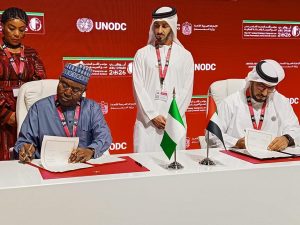
NDLEA, UAE’s NDEA sign MoU to deepen anti-narcotics cooperation
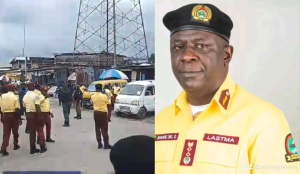
LASTMA impounds 84 vehicles in crackdown on one-way driving, illegal garages
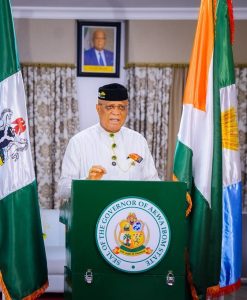
Akwa Ibom governor thanks residents as state marks 39th anniversary
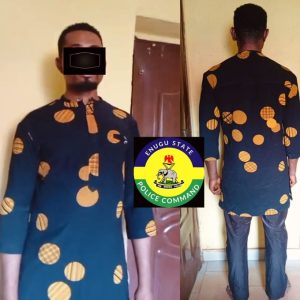
Enugu Police arrest 30-year-old man over alleged murder of girlfriend
Olukoyede charges religious leaders to preach against corruption
- Tinubu commissions NRS Headquarters, says new tax reforms will drive prosperity
- Delta Police arrest one over death of Education Ministry deputy director
- Climate change anxiety is rising — and so is the willingness to act on it
- Golden Globes want to make a comeback this year. Hollywood isn’t buying
- Baseball boosts TBS, NFL gives ESPN a kick and streamers love ‘Squid’
Community Discussion